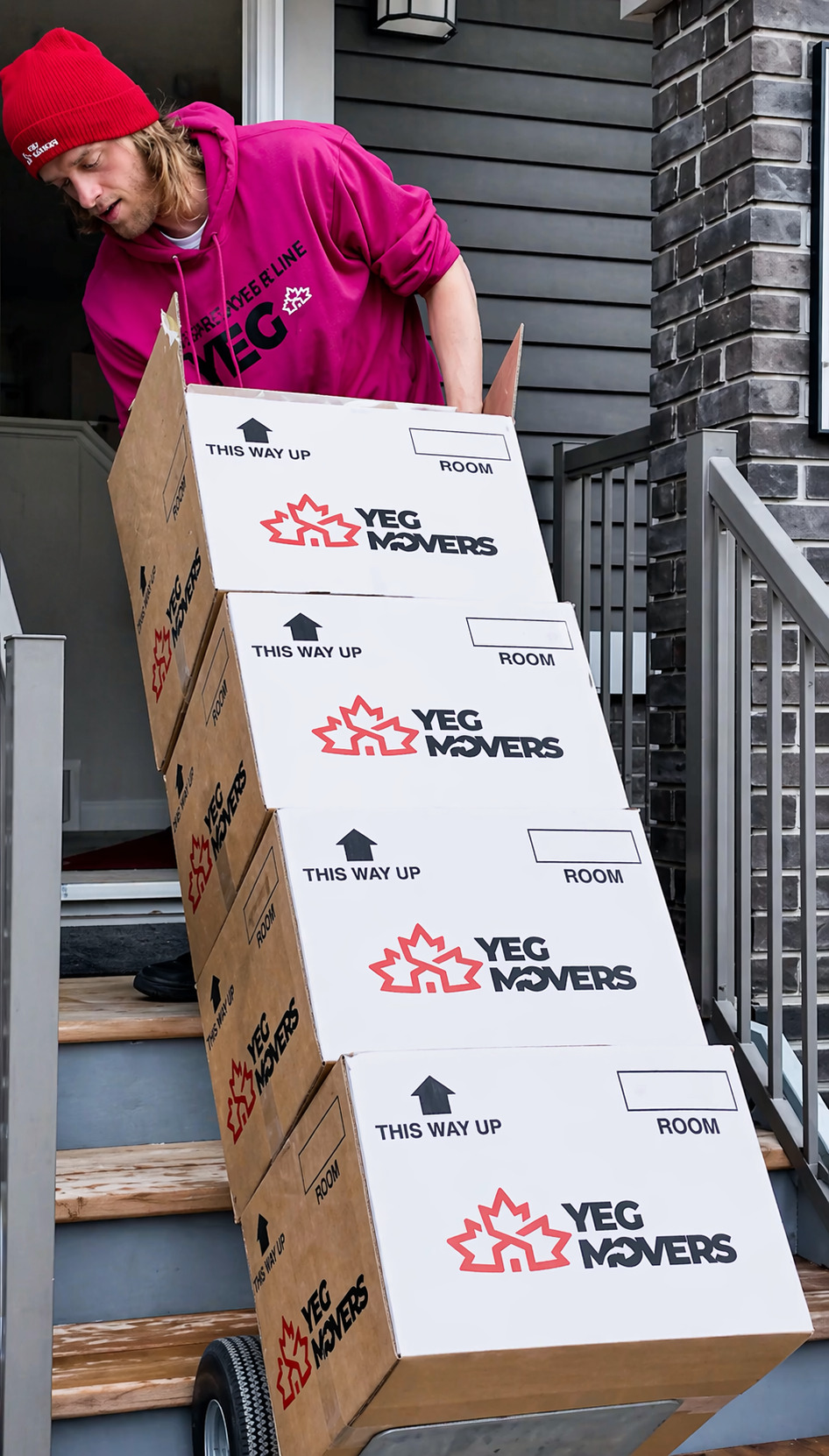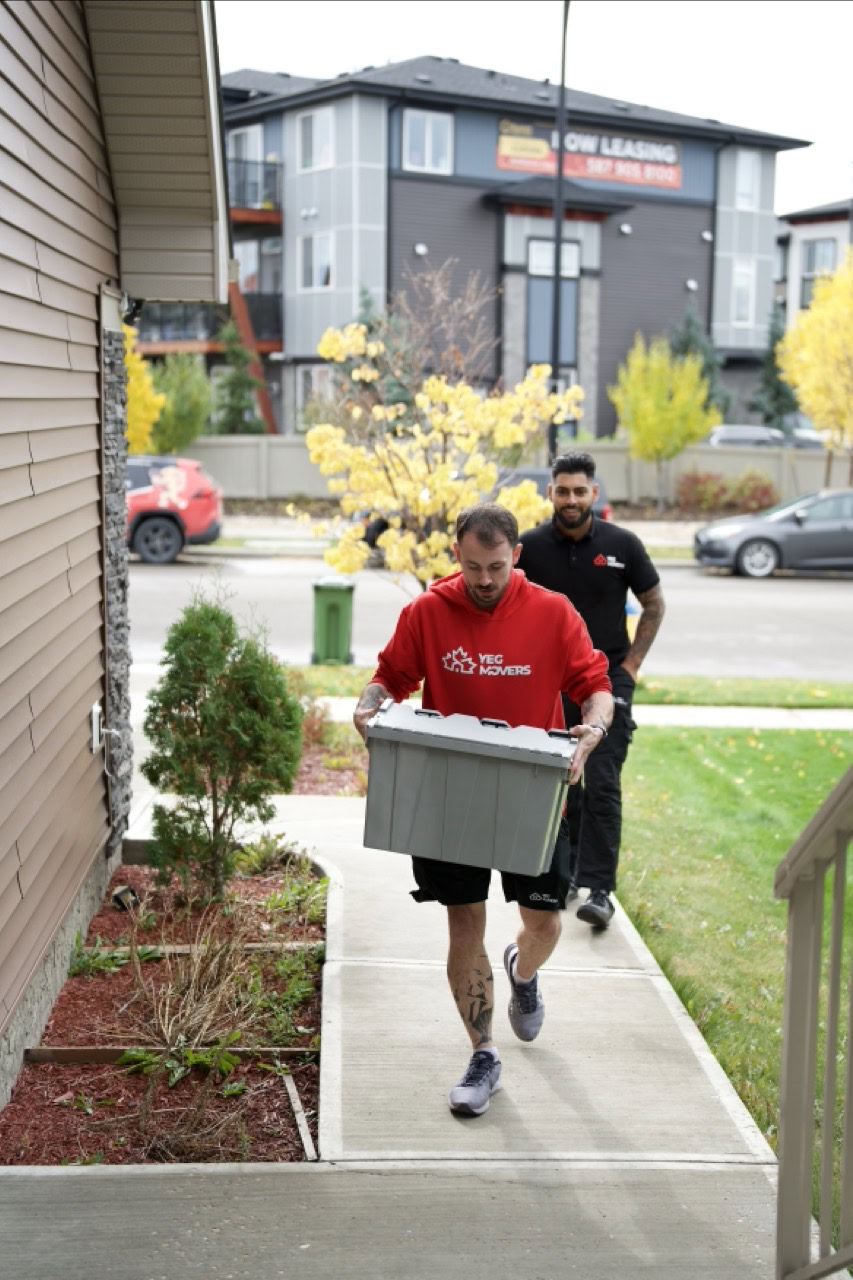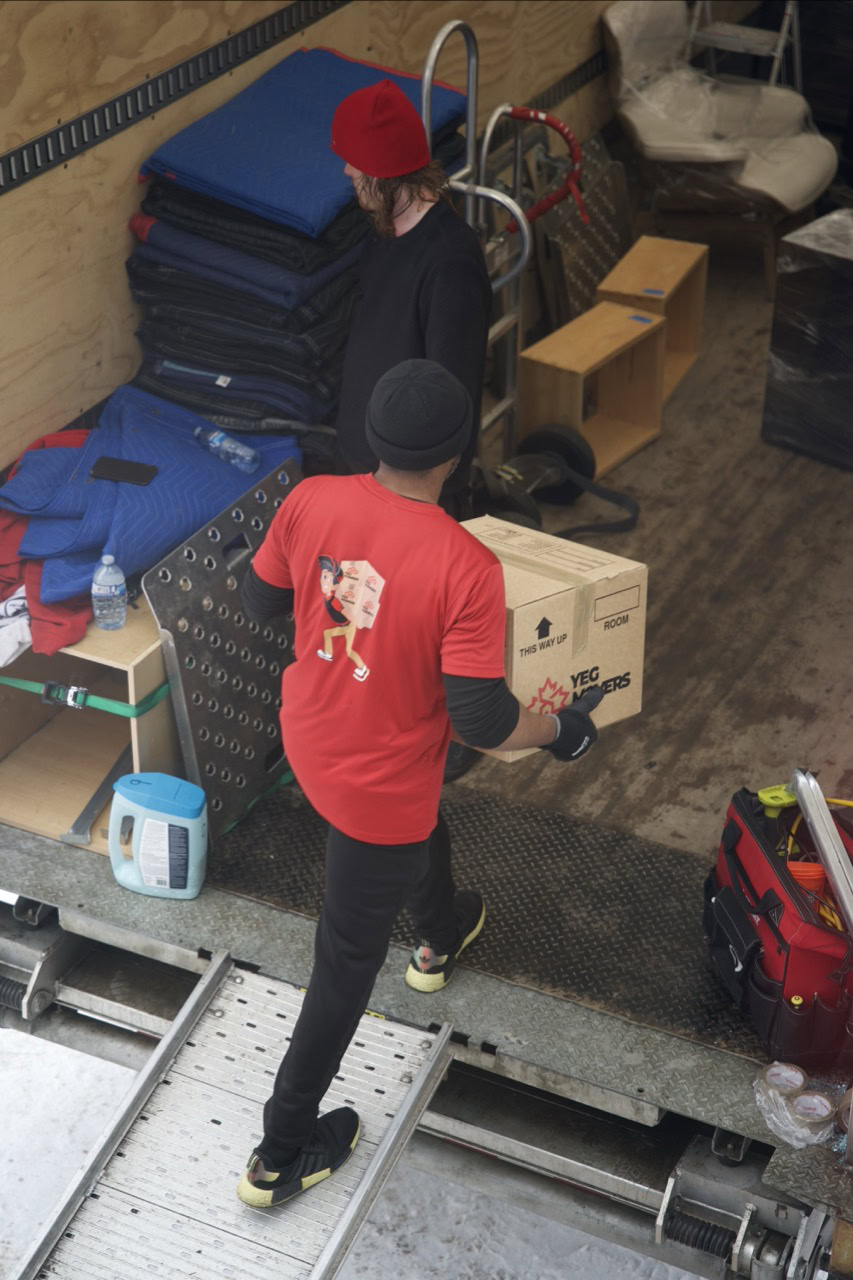
Relocating can be overwhelming when planning a move, however, it doesn’t have to be that way as long as you work with a reputable and dependable Edmonton moving company. By establishing a solid game plan, realistic timeframes, and having someone to rely upon to assist in your relocation process, relocating does not need to be an overwhelming experience; in fact, if planned correctly, relocating can also feel organized and manageable. The goal of this relocation guide is to provide local homeowners with guidance and strategies to relocate with confidence, to avoid common relocation mistakes, and to decrease relocation-related stress throughout the entire relocation process.

Regardless of whether you are relocating within Edmonton or to a new area in Edmonton, this relocation guide will provide those relocating locally with the tools and strategies needed to effectively plan their relocation, make informed, service-based relocation decisions, and prepare practically for relocation day.

Step 1: Start Planning Earlier Than You Think

A stress-free move starts weeks not days before moving day. Creating a simple timeline helps you stay in control and avoid rushed decisions.

What to do early:

  • Set a realistic moving date
  • Outline your moving budget
  • Decide what tasks you’ll handle vs. outsource
  • Research service providers serving local homeowners

Early planning gives you better availability, more flexibility, and fewer surprises.

Step 2: Declutter Before You Pack

Moving is the perfect opportunity to let go of what you no longer need. Fewer items mean:

  • Less packing time
  • Lower service costs
  • Faster loading and unloading

Decluttering tips:

  • Donate usable items
  • Sell furniture you won’t take with you
  • Dispose of broken or unused belongings

This step alone can significantly reduce stress on moving day.

Step 3: Choose the Right Level of Moving Support

Not every move requires the same type of help. The key is choosing support that matches your timeline, home size, and comfort level.

Look for services that offer:

  • Clear communication and written estimates
  • Experience with local neighborhoods and conditions
  • Flexible options instead of one-size-fits-all solutions

Our Edmonton moving services are designed to support different needs whether you need full-service help or assistance with the heavy lifting. Many homeowners find that working with experienced movers Edmonton professionals reduces stress, saves time, and prevents costly mistakes.

Do They Handle Commercial Moves?

Yes, professional moving services often extend beyond residential moves. Office and commercial relocations are handled with careful planning to minimize downtime and keep businesses running smoothly during the transition.

Are Storage Options Available?

Storage can be a helpful solution when move-in dates don’t line up or extra space is needed. Short-term and long-term storage options offer flexibility without rushing your move.

Are Movers Properly Trained and Insured?

Reputable movers are trained to handle items safely and work efficiently. Insurance coverage adds an extra layer of protection, giving you peace of mind throughout the moving process.

Is Their Pricing Clear and Fair?

Transparent pricing is one of the biggest signs of a reliable moving service. Clear estimates, upfront explanations, and no surprise add-ons help you plan confidently and avoid last-minute stress. A fair pricing structure means you know what you’re paying for from labor to equipment so you can focus on your move, not unexpected costs.

Step 4: Pack With a System (Not Panic)

Packing is one of the biggest stress triggers but it doesn’t have to be.

Smart packing strategies:

  • Label boxes by room and priority
  • Pack essentials separately
  • Use sturdy boxes and protective materials
  • Keep important documents with you

If time is limited, professional packing support can remove a major burden and help protect fragile items.

Step 5: Prepare for Edmonton-Specific Moving Conditions

Edmonton moves come with unique challenges especially during winter months.

Edmonton-specific considerations:

  • Weather fluctuations
  • Snow and icy walkways
  • Shorter daylight hours in winter
  • Parking and access restrictions

Preparing for local conditions helps avoid delays and safety concerns.

Step 6: Get Ready for Moving Day

The day of the move should feel structured—not chaotic.

Moving day checklist:

  • Clear hallways and entry points
  • Reserve elevators if needed
  • Keep pets and kids in a safe area
  • Have water, snacks, and essentials ready

Being prepared allows your moving team to work efficiently while you stay focused on the bigger picture.

Step 7: Settle In Without Rushing

Once everything arrives, resist the urge to do everything at once.

After-move tips:

  • Unpack essentials first
  • Confirm utilities and services are active
  • Take breaks—you’ve earned them

A calm move-in sets the tone for enjoying your new space.

A Clear Look at Moving Costs

Understanding moving costs ahead of time makes planning easier and prevents last-minute surprises. This section breaks down what typically goes into pricing, so you can budget confidently and know what to expect before moving day.

What Does a Move Usually Cost?

Moving costs vary depending on the size of your space, how far you’re going, and the level of help you need. Smaller moves tend to be more affordable, while larger homes or specialty items may require additional time and resources.

Frequently Asked Questions (FAQ)

How far in advance should I plan a move in Edmonton?

Ideally 4–6 weeks ahead, especially during peak seasons.

Is professional moving help worth it?

For most households, professional support reduces physical strain, saves time, and lowers stress—especially for larger moves.

What should I pack myself?

Personal items, documents, and valuables are best kept with you.

How can I reduce moving-day stress?

Preparation, clear labeling, and choosing the right level of service make the biggest difference.

Do moving services work year-round in Edmonton?

Yes, but winter moves require additional planning for weather and safety.

A Calm Move Starts With the Right Plan

Known for clear communication, experienced crews, and consistent service, YEG Edmonton Moving & Storage supports moves of all sizes with a focus on reliability and care. We don’t just move boxes; we help Edmonton residents move with confidence, knowing every detail is handled with care and professionalism.

Our team understands the unique challenges of moving in Edmonton from seasonal weather to tight schedules and complex logistics. With trained movers, well-maintained equipment, and a customer-first approach, we focus on making every move efficient, organized, and stress-free. That commitment is what has made us a trusted choice for homeowners and businesses alike.

Services We Offer

  • Local residential moving
  • Long-distance moving across Alberta
  • Commercial and office relocations
  • Professional packing and unpacking
  • Furniture disassembly and reassembly
  • Specialty and heavy-item moving
  • Secure short-term and long-term storage

Areas We Serve

We proudly serve Edmonton, St. Albert, Beaumont, Stony Plain, Spruce Grove, Leduc and surrounding communities across Alberta. Providing dependable moving solutions no matter the size or distance of your move.

If you’re planning a move, don’t wait until schedules fill up. The best moving dates go fast especially during peak seasons. Call (780) 670-8844 today to get your FREE quote and secure your spot. Let’s make your next move smooth, simple, and done right starting now.

There are many questions that go into planning a move in 2026, but cost is always going to be the most important. When you are searching for movers Edmonton, and looking to determine a price point that will make sense before you reach out to any other company, then you are definitely not alone. The cost of moving can be very different from mover to mover, so if you have an idea of what factors affect this cost, then you will feel much more confident when you start planning your move.

This article takes a look at what the average cost of a move is in Edmonton, which factors affect how much a move is going to cost you, and where you may be able to save money without sacrificing quality or service.

What Goes Into Moving Costs in Edmonton?

Moving costs aren’t just about the truck and the crew. Several practical factors shape the final number you see on an estimate.

Home Size and Amount of Belongings

Larger homes usually take more time, more labour, and sometimes additional vehicles. Fewer items generally mean lower costs and faster moves.

Distance and Access

Local moves are usually priced differently than longer routes. Building access, stairs, elevators, and parking distance can also affect how long a move takes.

Time of Year

Late spring through summer is the busiest season. Winter and mid-week moves are often less expensive due to lower demand.

Best Days to Move for Lower Costs

Mid-week and mid-month moves are often more affordable than weekends or month-end dates. Demand tends to be lower, which can translate into better availability and smoother scheduling.

Decluttering Before Moving

Reducing what you move can significantly lower time and effort. Letting go of unused items before packing makes the process faster and helps you start fresh in your new space.

Steps in the Moving Process

Most moves follow a simple flow: planning, packing, loading, transport, and unloading. Knowing what comes next helps reduce uncertainty and keeps everything on track.

Pre-Move Checklist for Residents

A checklist helps you stay organized as moving day approaches. From confirming dates to setting aside essentials, preparation prevents last-minute stress.

How Moving Pricing Works

Clear pricing means knowing what’s included before moving day. Written estimates and upfront details help avoid confusion and make budgeting easier.

Benefits of Local Experience

Local knowledge helps moves run more smoothly. Familiarity with neighbourhoods, access points, and seasonal conditions can save time and prevent delays.

Average Local Moving Costs in 2026

While every move is different, most people in Edmonton see costs fall into general ranges.

  • Apartment or small condo: Lower overall cost due to shorter move times

  • Two- to three-bedroom homes: Moderate range depending on volume and access

  • Larger homes: Higher costs tied to labour time and logistics

Understanding your local moving cost ahead of time helps prevent sticker shock and makes comparisons more meaningful.

Moving Insurance Options Explained

Insurance provides added peace of mind during a move. Understanding coverage options allows you to choose the level of protection that feels right for your situation.

What’s Usually Included in a Move?

Most standard moves include:

  • Loading and unloading

  • Transportation

  • Basic protective materials

  • Standard moving equipment

Some services may be optional, depending on your needs.

Common Add-Ons to Budget For

  • Packing or unpacking help

  • Furniture disassembly and reassembly

  • Storage between move dates

  • Handling oversized or fragile items

Always ask for a clear breakdown so you know what’s included.

Pros and Cons of Hiring Professionals

Pros

  • Less physical strain

  • Reduced risk of damage

  • Better coordination and timing

Cons

  • Higher upfront cost than DIY

  • Requires advance scheduling

For many people, the time and stress saved outweigh the added expense.

Who Moving Services Are Best Suited For

Professional help tends to work best for:

  • Families with full households

  • People on tight timelines

  • Anyone moving heavy or specialty items

  • Those who want fewer moving-day responsibilities

If you’re comparing options from an edmonton moving company, focusing on clarity and experience often matters more than choosing the lowest quote. If this is your first time relocating, these Edmonton moving tips can help you prepare ahead of time and avoid common mistakes that increase moving costs.

Where to Find Moving Boxes

Moving boxes can be sourced from retailers, reuse programs, or professional packing services. Choosing sturdy boxes helps protect belongings and simplifies stacking.

Tips for a Smooth Move

Label clearly, pack essentials separately, and stay flexible when possible. Small details like these often make the biggest difference on moving day. To better protect yourself from unexpected charges, it’s worth reviewing Alberta consumer moving rights so you know what movers are legally required to disclose.

Our Edmonton Moving Services

Our Edmonton services are designed to support different move sizes and timelines. The focus is on clear coordination, practical solutions, and dependable support throughout the process.

Specialty Item Moving

Large or delicate items require extra care. Specialized handling helps protect valuables and ensures safe transport from start to finish.

Commercial Moving Services

Office and commercial moves are planned to minimize disruption. Organized timelines and careful coordination help keep operations running smoothly.

Professional Packing Services

Packing services can save time and reduce stress. They’re especially helpful for fragile items or when schedules are tight.

Storage Options Available

Storage options provide flexibility when move-in dates don’t align. Short-term or long-term solutions help keep plans moving forward.

For homeowners who need extra space before or after moving day, exploring professional storage solutions in Edmonton can help keep belongings secure and accessible.

How Much Notice to Give Before Booking a Move

Providing notice early helps secure preferred dates and avoid last-minute changes. Advance planning creates more flexibility and fewer surprises.

What Sets Our Company Apart

A thoughtful approach, clear communication, and attention to detail set the experience apart. Consistency and reliability matter when coordinating a move.

Practical Ways to Save on Your Move

  • Declutter before packing

  • Be flexible with dates

  • Pack non-fragile items yourself

  • Get written estimates

  • Ask how pricing is calculated

Saving money is often about planning, not shortcuts.

Edmonton-Specific Planning Tips

  • Winter moves may take longer due to weather

  • Parking restrictions can affect timing

  • Elevator bookings should be done early

  • Neighbourhood access varies widely

Small details can make a noticeable difference in how smoothly the day goes.

Frequently Asked Questions

How far in advance should I book? Four to six weeks is ideal, especially during busy seasons.

Are estimates usually accurate? They are, as long as the scope of the move doesn’t change.

Is tipping expected? It’s optional, but appreciated when service is excellent.

Do movers work year-round in Edmonton? Yes, though winter moves require extra planning.

Can I move in stages if dates don’t line up? Many services offer short-term storage to help with timing gaps.

Final Thoughts Before You Book

Moving costs don’t have to feel unpredictable. When you understand what influences pricing and give yourself time to plan, the entire process becomes far more manageable. Clear expectations, early preparation, and thoughtful decisions can help you avoid last-minute stress and keep everything on track.

That’s where YEG Edmonton Movers can make a real difference. Known for a practical, well-organized approach, the team supports moves of all sizes with clear communication and reliable coordination—so you can focus on what’s ahead, not the logistics.

Services Offered

  • Local residential moving

  • Long-distance moving across Alberta

  • Commercial and office relocations

  • Professional packing and unpacking

  • Furniture disassembly and reassembly

  • Specialty and heavy-item moving

  • Secure short-term and long-term storage

Areas We Serve

Proudly serving Edmonton, St. Albert, Beaumont, Spruce Grove, Stony Plain, Leduc, and surrounding Alberta communities.

If your move is coming up sooner than expected, it’s worth starting the conversation now. Schedules fill quickly, and early planning gives you more flexibility. Call (780) 670-8844 to get your FREE quote and take the next step with clarity—so your move feels prepared, not rushed.

Moving a TV without its original box can be stressful, especially when modern screens are so easy to damage. One wrong bump during loading or transport can turn into an expensive mistake. Whether you’re working with an experienced Edmonton moving company or handling the move yourself, a bit of preparation makes a big difference. Taking time to clean the screen, secure cables, and wrap the TV properly helps prevent scratches, cracks, and avoidable repairs. The process isn’t difficult, but missing key steps often leads to damage that could have been avoided.

Proper Screen Cleaning and Preparation

Before you even think about lifting the TV, the screen needs attention. Turn it off, unplug it, and grab a microfiber cloth. Wipe the screen gently, starting from the center and moving outward. You don’t need harsh cleaners; water or a mild screen solution works if there’s a stubborn mark. Make sure it’s dry afterward. I usually put a soft cloth over the screen, too, just so nothing rubs against it while moving. Little steps like that make a big difference.

Secure Cables and Detachable Parts

Cables can get tangled or damaged really fast. I usually take everything off, power cords, HDMI cables, anything connected. Bundle them up with Velcro straps or twist ties, so they don’t dangle and get caught on anything. If the TV stand or wall mounts are removable, take them off, too. Keep them together in a labeled bag, so nothing gets lost or misplaced. It might feel like extra work, but it saves time and headaches later.

Use Protective Cushioning Materials

Now comes the fun part: padding. You want bubble wrap, foam pads, or thick blankets, whatever you have handy. Wrap the edges, corners, and the screen itself so there’s no chance of scratches or bumps. Tape or straps help keep the padding in place; otherwise, it can slip when you lift or move the TV. You don’t need perfection, but make sure nothing is exposed. It’s better to overdo it than underdo it.

Wrap and Secure the TV With Blankets

Blankets are the simplest way to add protection. Thick ones work best, and you can wrap the TV entirely so even corners are safe. Smooth out wrinkles so there aren’t pressure points, and tuck everything tight. Once it’s wrapped, it’s easier to lift without worrying about bumping a corner. I usually like to check the corners again just to be safe.

Opt for a Sturdy TV Moving Strap

A strap is worth its weight in gold, honestly. It keeps the TV stable, especially when you’re carrying it through narrow spots. Make sure it’s adjustable to fit your TV and that the buckles are solid. You don’t want to rely on it if it feels flimsy. A snug strap makes carrying a TV much less stressful, and you won’t have to worry about holding it at odd angles.

Handle With Care and Avoid Sharp Turns

Finally, take it slow. Hold it by the base and the sides, don’t rush, and watch out for corners. Plan your path before moving, so you’re not twisting around at the last second. Sharp turns or uneven floors are where accidents happen. If you can, have someone help you with tricky spots, moving a TV alone is possible, but having an extra pair of hands is always better. Move carefully, and your TV should arrive safe and sound.

Related Topics:

Packing stemware for a move can feel stressful, especially when even a small mistake can lead to chips or cracks. These delicate glasses don’t need much pressure to break during transport. Whether you’re working with a trusted Edmonton moving company or packing everything on your own, a bit of planning makes the process smoother. With the right approach, you can protect each piece properly and make sure everything arrives safely, without adding unnecessary stress to your move.

Choosing the Right Packing Supplies

Not every box will do for stemware. Boxes need to be strong and not flimsy. Dividers are really useful because they keep glasses from bumping into each other. Bubble wrap works well, but you can also use crumpled paper or foam to fill any spaces that might let glasses move. It sounds like overkill, but it really isn’t. A good box with a bit of cushioning around each glass already cuts the risk of breakage by a lot.

Preparing the Stemware

Before wrapping anything, take a moment with each glass. Look for tiny cracks or chips. You don’t want something fragile going into a box with other heavy pieces. Wash the glasses and make sure they’re dry. If any have decorations that come off, take them off, better safe than sorry. Grouping the glasses by size makes them easier to pack and keeps them from knocking together later.

Wrapping the Stemware

Wrapping is where a lot of people get fussy, but it doesn’t have to be complicated. Lay a piece of packing paper flat, put the glass on it at an angle, and roll it up. Tuck in the sides so it’s snug. A second layer can help if the glass is especially delicate. Once wrapped, stand the glasses upright in the box. Don’t cram them in; just enough so they don’t lean or wobble. That’s usually all it takes to keep them safe.

Packing Stemware in Boxes

Boxes are not just containers, they’re part of the protection. Each glass should have its own little space. Fill gaps with paper or foam so nothing slides around. Tape the box closed and write “Fragile” on it. You’d be surprised how many accidents happen just because a box was treated like a regular one. A well-packed box makes the whole move less stressful.

Securing Stemware in Transit

Even after everything is wrapped, how the boxes are handled matters. Keep them upright. Don’t stack heavy things on top. If they’re going in a truck, make sure they’re snug against other boxes or the walls so they can’t shift. A little extra padding around the box doesn’t hurt. The less movement, the less chance of anything breaking.

Unpacking and Inspecting Stemware

Once you get to the new place, unpack slowly. Check each glass. Look for cracks or chips. Run your fingers along the rim and base. Hold it up to the light if you need to. A gentle tap can tell you if it’s still solid. Take your time, there’s no reason to rush. Once you’ve checked everything, you can finally put your stemware away without worrying.

Related Topics:

Moving a washer and dryer sits high on the list of frustrating household tasks. These appliances are heavy, awkward to maneuver, and packed with connections that need careful handling. Whether you’re managing the move on your own or coordinating with a Moving company Edmonton, understanding the correct steps can help you avoid damaged appliances, water leaks, or unnecessary physical strain.

This guide walks you through the full process, from safety prep to getting your machines fully operational in their new space. You’ll learn proper disconnection methods, how to prepare appliances for transport, safe loading techniques, reinstallation basics, and the final checks that ensure everything is working before laundry day begins.

Safety Precautions

Start by unplugging both machines from their outlets – sounds obvious, but you’d be surprised how many people forget this step. Find the water supply valves behind your washer and twist them off to avoid any surprise leaks mid-move. If you’ve got a gas dryer, locate that gas supply valve and shut it down before touching anything else. Take a good look at your path from the laundry area to wherever you’re loading these things.

Move furniture, rugs, or anything that could trip you up or get in the way. When it’s time to lift, bend at your knees and keep your back straight – throwing out your back over a dryer is not a fun story to tell. Toss on some work gloves to protect your hands from sharp edges and give yourself a better grip. These basic safety moves will keep you and your appliances in one piece.

Disconnecting the Appliances

Pull both plugs from their power sources before doing anything else. Those water supply valves behind the washer need to be completely turned off – righty tighty until they won’t turn anymore. Gas dryer owners need to shut off the gas valve before disconnecting anything on that end. Grab your vent hose at the back of the dryer and unscrew it, then move to your washer hoses and detach them from the water lines. Electric dryer? Just unplug the chunky power cord from the wall outlet. Once everything’s loose, use some tape or zip ties to bundle up those cords and hoses, so they’re not dangling around, causing problems. A tangled mess of hoses can trip you up or get damaged when you’re trying to maneuver through doorways. Taking these steps in order prevents scrambling later when you’re in a rush.

Preparing for Transport

Make sure all doors, lids, and moving parts are closed and won’t pop open during the move. Nobody wants a washer door swinging open and smacking against a wall. Grab those electrical cords and hoses you bundled earlier and secure them to the appliance itself with tape so nothing’s hanging loose. Wrap both machines in moving blankets or thick padding – appliances scratch and dent way easier than you’d think, and dings from banging into doorframes aren’t covered by any warranty.

Check that both machines are sitting level before you start rolling them around, since an unbalanced load can shift and cause damage in transit. Open up both appliances and pull out anything inside – lint traps, forgotten socks, detergent bottles – because loose items will rattle around and potentially break internal components. Taking fifteen minutes to prep properly beats dealing with a broken agitator later.

Loading and Unloading

Get yourself a solid appliance dolly rated for the weight you’re moving – trying to muscle a washer without one is asking for trouble. Tilt each appliance carefully onto the dolly and strap it down securely. Those moving blankets you wrapped around everything earlier? Make sure they’re still in place and add more padding if you’ve got tight corners to navigate. Once you’ve loaded them into your vehicle, use heavy-duty straps or bungee cords to keep them from sliding around.

Washers and dryers shifting during transport can damage themselves or put a serious dent in your truck bed. When you reach your destination, reverse the process slowly – no need to rush and risk dropping hundreds of pounds of metal. Use that dolly to wheel them into their new spots, taking care around doorways and walls. If you’ve got stairs involved, get a second person to help stabilize things.

Reinstalling in the New Location

Set both machines in their spots, but don’t push them all the way back against the wall yet. Grab a carpenter’s level and check that they’re sitting flat – washers especially will vibrate like crazy if they’re even slightly tilted. Most machines have adjustable feet that you can screw in or out to get them level. Plug everything into grounded outlets and give those cords a quick once-over for any damage that might have happened during the move. Hook up your water supply hoses to the washer, making sure the connections are hand-tight plus a quarter turn with pliers.

Attach that dryer vent hose to the back of your dryer and make sure there aren’t any kinks or blockages – restricted airflow makes dryers work harder and increases fire risk. Run your hand along all the connections one more time to catch anything you might have missed. Getting these details right now beats discovering a leak after you’ve already done three loads of laundry.

Final Checks and Testing

Before calling the job done, take a few minutes to test everything thoroughly. Check that all water hoses are tightly secured and completely dry, as even a small drip can turn into a serious issue later. Make sure the drain hose is positioned correctly so water flows out smoothly without backing up. Plug both machines in, power them on, and listen closely for any unusual sounds that weren’t present before the move.

Run a small test load through each machine to confirm proper operation. Watch the washer fill and drain to ensure water moves as it should. Let the dryer run for several minutes to verify it’s heating correctly. If you notice anything off—odd noises, lack of heat, or drainage problems—shut everything down and troubleshoot immediately. Many moving companies Edmonton recommend catching these issues early to prevent damage and avoid costly repairs once regular use begins.

Related Topics:

Moving a fridge almost never goes as smoothly as people expect. What seems like a straightforward task can quickly lead to scratched floors, tight doorways, or strained muscles if it’s rushed or poorly planned. Refrigerators are heavy, bulky, and not very forgiving when handled without care. Whether the move is happening within the home or with the support of a professional Moving company Edmonton, understanding the common challenges ahead of time helps make the process safer, smoother, and far less stressful.

Safety Precautions

A fridge should never be moved in a hurry. Power needs to be disconnected early, not right before lifting, so the unit has time to settle. Anything inside the fridge should come out, including shelves that might shift once the door starts moving. Shoes matter more than people expect, especially on smooth floors where balance can disappear fast. Having at least one other person nearby changes everything, not just for lifting, but for spotting issues before they turn into accidents.

Clearing the Path

Most fridge damage happens before the appliance even leaves the kitchen. Tight hallways, loose rugs, and sharp corners tend to cause trouble when attention is split between lifting and steering. Clearing space ahead of time helps avoid sudden stops or awkward turns. Pets and kids should be kept out of the area, not because they’re in the way, but because one unexpected movement can throw everything off. A clear route gives everyone time to move at a steady pace.

Disconnecting the Fridge

Disconnecting the fridge is more than pulling a plug. Power cords and water lines need to be handled carefully so they don’t drag or snag while moving. Any remaining water should be dealt with before the fridge starts rolling, not after it’s already halfway across the floor. Taping loose lines to the back of the unit keeps them out of the way and prevents tripping. Small steps here save a lot of cleanup later.

Using Proper Equipment

Trying to muscle a fridge without the right tools usually ends badly. A solid appliance dolly keeps the weight balanced and reduces the need for awkward lifting. Straps help the fridge stay upright instead of shifting at the worst moment. Floor protection matters too, especially in older homes where scratches don’t come out easily. The right equipment doesn’t speed things up, but it makes the move feel controlled instead of chaotic.

Maneuvering Around Obstacles

Corners and narrow spaces tend to reveal problems late if they aren’t checked ahead of time. Measuring doorways and tight turns prevents getting stuck in places where backing out is harder than moving forward. Slow adjustments and clear communication help avoid bumps and dents. Protecting walls and floors during these moments is easier than fixing them later. Patience matters more here than strength.

Moving Down Stairs

Stairs are where most people realize how heavy a fridge actually is. Balance becomes more important than force, and every step needs attention. The fridge should stay secured the entire time so it doesn’t shift unexpectedly. One person guiding from below helps maintain control, while steady movement keeps things predictable. Taking it slow reduces risk and keeps the move manageable from top to bottom.

Related Topics:

Moving a treadmill on your own requires more patience than brute strength. Start by clearing a path and measuring doorways so you’re not forced to tilt or twist the machine at the last second. Unplug the treadmill, review the manual, and remove any components designed to come apart. Store screws and bolts in a labeled bag so nothing gets lost. When lifting, keep your back straight, feet planted, and move slowly while using straps to keep the frame stable.

Using sliders or a dolly can make the process much easier, especially on hard flooring. Take breaks when needed and cover the treadmill to protect it from scratches during transport. If the weight or size feels overwhelming, trusted Edmonton movers can handle the job safely, reducing the risk of injury or damage to your equipment or home.

Assessing the Environment

Before attempting to move the treadmill, make sure to scan the area. Clear the path of any tripping hazards like cords, rugs, or clutter. Narrow doorways or sharp corners can slow you down, so check for those as well. Measure the area to confirm the treadmill will fit comfortably through any passageways.

It’s also essential to ensure the floor is level to avoid any accidents while moving. Pets or children might get in the way, so it’s best to keep the area clear of distractions. Creating a clear, spacious route is a crucial first step to a successful move.

Disassembling the Treadmill

Next, let’s focus on making the treadmill easier to move by disassembling it. Unplug the treadmill first, then remove any accessories or loose items. If you have the user manual, follow its steps for disassembling the machine, which typically includes removing the console, handrails, and support frame.

Store screws and bolts in labeled bags so you won’t lose any parts during the process. For heavier components, it’s wise to ask for help. Lifting with your legs, not your back, is crucial here. A careful disassembly makes the treadmill more manageable and lighter for transport.

Securing Moving Equipment

When moving a large piece of equipment like a treadmill, securing the right moving tools is key. Use strong, reliable straps or ropes to secure the treadmill, preventing any accidents or damage during the move. If you’re navigating stairs or uneven floors, a dolly or furniture sliders will make the process much smoother. It’s important to remove or tuck away any cords or parts that might get in the way as you move. By using these tools correctly, you’ll avoid strain on your body and keep the treadmill secure.

Lifting and Maneuvering Safely

Lifting a treadmill requires attention to your posture. Bend your knees and keep your back straight while gripping the machine. Engage your core to support your spine, and avoid twisting. When changing directions, pivot with your feet instead of twisting your torso. Take small steps and move carefully. If it feels heavy, don’t hesitate to use a dolly or sliders to help. Listen to your body and take breaks if you start to feel fatigued. Lifting and maneuvering the treadmill doesn’t have to be difficult if you follow these safety precautions.

Transporting to New Location

Transporting the treadmill safely means securing any moving parts, like the console or incline mechanism. Make sure everything is fastened to prevent any internal damage. Keep your tools nearby: having screwdrivers or wrenches handy will make reassembly easier when you reach your new location. Using sliders or a dolly can ease the physical strain of moving the treadmill. Cover it with a protective sheet or blanket to avoid scratches or dents during the move. Protecting both the treadmill and yourself is key when relocating it.

Reassembling and Testing

Once you’ve moved the treadmill to its new location, it’s time to reassemble and test it. Begin by checking that all screws, bolts, and connections are securely fastened. Make sure the console is in place and the power cord is properly connected. Do a visual inspection to ensure nothing was left loose. After reassembling, test the treadmill by slowly increasing the speed to ensure everything works as expected. Check the incline mechanism and the emergency stop feature as well. Finally, walk or run on the treadmill to confirm its stability. If you notice any issues, refer to the manual or reach out to a professional for help. A thorough reassembly and test will ensure your treadmill’s functionality and safety.

Contact Us

Ready to make your move? We’re here to help every step of the way.

Visit Us: 4924 93 AVENUE NW Edmonton, AB T6E 3N9
Email: [email protected]
Call Us: (780) 670-8844

Contact us today for your fast, free, no-obligation quote. We are ready to assist you, 24/7.

Related Topics:

Moving into a new place is exciting, but seeing boxes piled up everywhere can quickly kill that momentum. It’s fair to wonder whether professional movers actually help with unpacking or if they just drop everything off and leave you surrounded by cardboard. Many affordable movers now offer unpacking services as part of their move-in support, not just the heavy lifting. Working with an Edmonton moving company often means you have options, and whether unpacking help is worth it depends on your schedule, budget, and patience level. Knowing what these services include makes it easier to decide if you want the extra help or prefer to handle it yourself.

Movers Unpacking Services Overview

Here’s the deal: professional unpacking means someone else opens all those boxes and puts your stuff where it belongs. No, really. The crew shows up, follows your instructions, and gets everything out of boxes and into place. They know how to handle fragile stuff without breaking it, and they’ve got the experience to make quick work of even heavy furniture. You’re basically trading money for time and energy, which honestly sounds pretty good after spending all day loading a truck. Plus, you won’t be finding random kitchen utensils in your bedroom closet three months later.

Types of Unpacking Services Offered

Not all unpacking services are the same, which is actually helpful because you can pick what you need. Some companies focus on the fragile stuff, dishes, glassware, your grandmother’s vase that you’re terrified of breaking. Others will handle your furniture, get it set up in the right rooms, and even put it together if it arrived in pieces. You can get help organizing clothes into closets and drawers, or some movers will even set up your entire kitchen down to arranging the spice rack. It really depends on what you’re willing to pay for and how much you trust someone else organizing your spatulas.

What to Expect During Unpacking

The actual unpacking process isn’t complicated. Movers bring boxes into the rooms based on your labels (which is why labeling matters). They usually start with the breakable stuff because nobody wants to deal with shattered plates. If you’ve got furniture that needs assembly, they’ll handle that too and put everything where you want it. The packing materials disappear as they work, so you’re not drowning in cardboard and bubble wrap. Here’s the thing though: you need to actually tell them what you want. Don’t assume they’ll read your mind about where the couch goes. Walk around, answer questions, and check on things as they’re working. If something’s wrong, speak up right then instead of rearranging everything after they leave.

How to Prepare for Movers Unpacking

Preparation plays a huge role in how smoothly unpacking goes. Label boxes clearly—not just by room, but by what’s inside. “Kitchen” works, but “Kitchen – pots and pans” saves time and confusion. Group boxes by priority so essentials don’t get buried. Clear walkways ahead of time to avoid delays or injuries on moving day. If you’re working with apartment movers edmonton, this step is especially important in tighter spaces.

Think through your preferences in advance. Maybe you care about how books are arranged, or you already know exactly where the TV should go. Communicate those details early. It prevents unnecessary back-and-forth and avoids the awkward moment of asking movers to redo something that could’ve been done right the first time.

Tips for Efficient Unpacking

Want this to go fast? Set up a little station with box cutters, tape, and markers somewhere accessible. Work through one room completely before jumping to another. Bedrooms and kitchen first because you’ll need those tonight. Flatten boxes as you go, seriously, don’t let them pile up or you’ll hate yourself later. Unpack what you actually need before worrying about decorations or that box of random cables you’ve been moving around for five years. Get some help if you can. Even one friend makes this go way faster, and ordering pizza beats staring at boxes alone.

Dealing With Unpacking Challenges

Things go wrong. You’re tired, you’re running out of steam, and you’ve still got 20 boxes to go. Fragile items stress you out because one wrong move and you’re sweeping up glass. The solution? Prioritize ruthlessly. Get the absolute necessities unpacked first, toiletries, bedding, coffee maker (don’t skip this one). Make a plan for which room gets done when instead of bouncing around randomly. Keep your tools in one spot so you’re not searching for scissors every ten minutes. Label things clearly enough that you can actually find what you need. And honestly? If you’ve got people willing to help, take them up on it. Unpacking alone is miserable.

Related Topics:

Most people expect movers to arrive with a truck and plenty of muscle, but many also supply the packing materials needed for the job. That can be a major relief if you don’t have time to track down boxes on your own. Many Edmonton movers keep sturdy boxes, packing paper, and tape on hand and can recommend the right materials based on what you’re packing. This article breaks down what supplies are typically available, what affects how many boxes you can receive, what questions to ask ahead of time, and what to do if you prefer sourcing your own. It also covers a few packing basics to help you choose boxes that won’t give out mid-move.

Types of Packing Supplies Offered

Most movers carry a mix of small, medium, and large boxes because every home has a different mix of items. Heavy things like books or tools usually go in smaller boxes, while linens and lighter belongings fit better in the bigger ones. Fragile pieces need wrapping or paper so they don’t rattle around, and tape keeps everything sealed once it’s packed. Some teams bring labels so you can sort things out once you’re in your new place. It’s not fancy, just practical.

Factors That Influence Box Provision

How many boxes you end up with depends on how much you’re moving and how fragile your belongings are. Larger homes naturally need more, and delicate items often require sturdier boxes. Longer drives can also put more pressure on boxes, so movers may bring stronger ones for those trips. Some companies include boxes in their regular service, while others price them separately depending on how many you need.

Tips for Requesting Packing Boxes

The movers can only guess what to bring unless you tell them what you’re dealing with. Let them know if you have a lot of kitchen items, electronics, or breakable pieces so they can match the supplies to the job. Specialty boxes for dishes or clothing are usually requested in advance so they don’t run out on moving day. The more they know, the smoother the packing goes.

Alternatives to Movers’ Box Services

If you prefer to gather your own boxes, local shops often have leftover boxes from shipments. Grocery stores and liquor stores usually give them away. Suitcases, bins, and baskets you already own can also help with packing. Some people check neighborhood groups or online listings for boxes others’re finished with. These options work well if you’re trying to keep expenses down.

How to Prepare for Packing

A quick walk around your home helps you figure out what you’ll need. Grouping items by weight or fragility makes it easier to choose the right box. Keeping tape, markers, and wrap nearby helps you get through each room without stopping. If you have larger furniture, taking it apart ahead of time makes moving day less hectic and reduces surprises.

Ensuring Box Quality and Quantity

Using solid boxes makes a noticeable difference during a move. Take a moment to inspect them for weak spots, worn corners, or leftover tape that could cause issues. Choose box sizes that match the contents to make lifting easier and reduce shifting inside. Fragile items should always be wrapped with extra protection to keep them secure in transit. When you have enough high-quality boxes and proper materials—often recommended by an experienced Edmonton moving company—the entire process feels more organized, and your belongings are far more likely to arrive safely.

Related Topics:

Many homeowners opt for a full-service move because it keeps everything organized and reduces the pressure that often builds as moving day approaches. When Moving companies Edmonton handle the process, the experience feels far more controlled and manageable. From packing and lifting to transportation, setup, and storage coordination, the heavy work is taken off your plate. Instead of rushing between rooms or second-guessing whether items were packed correctly, you can focus on daily responsibilities while the moving team takes care of the rest.

Packing Services

Packing usually becomes the part people dread most, especially when the home is busy or filled with items that need careful handling. A trained team sorts through each room, places things in sturdy boxes, and labels them in a way that makes sense once you’re in the new place. Fragile pieces get extra care, and awkward items that never seem to fit into anything are handled without guesswork. This keeps the home more manageable in the days before the move and takes a huge weight off your shoulders.

Loading and Transport

Once everything is boxed, the movers handle the physical work of getting it onto the truck. They know how to position items so they stay in place during the drive, and they secure anything that might shift around. It’s a slower, more careful process than most people expect, but that’s what keeps things in good shape. They also plan the route so you aren’t left waiting around, which helps the whole day stay on track.

Unloading Assistance

Reaching your new home can feel overwhelming, but professional unloading support helps things fall into place quickly. With Movers Edmonton, boxes and furniture are brought inside and placed exactly where you want them, eliminating the strain of carrying heavy items through unfamiliar spaces. Experienced crews navigate tight corners carefully, maintain a steady pace, and keep everything organized rather than scattered. This makes settling in faster and reduces the confusion that often comes from trying to track where everything was packed.

Furniture Disassembly and Assembly

Large furniture is often the hardest part of any move. Movers break down beds, tables, and similar pieces so they’re safer to transport, and they make sure hardware is kept together so nothing goes missing. Once in the new home, they rebuild everything so the space can take shape right away. This avoids the frustration of trying to figure out how something was put together and reduces the risk of stripping screws or damaging finishes.

Storage Options

Sometimes a home isn’t ready for all your belongings, or you simply want more room to set up without clutter piling around you. Storage becomes useful for situations like this. Items are kept in a monitored space until you decide you’re ready for them. It removes the pressure of dealing with everything at once and gives you time to sort through things at a comfortable pace.

Unpacking Support

Unpacking always sounds simple until the boxes start stacking up. Having help at this stage makes the new place feel settled much sooner. Movers place items in the right rooms, unwrap fragile pieces with care, and assist with setups that need an extra hand. Instead of spending days trying to catch up, you can ease into the space and start getting back to routine life without feeling buried in boxes.

Related Topics: