The final weeks of summer can be a busy time to move in Edmonton. End-of-month lease changes, families preparing for school, apartment turnovers, road construction, building reservations, and changing weather can all affect how moving day fits into your schedule.

Planning ahead gives you more time to coordinate those details before boxes start leaving the house. This guide explains what to expect from a late-summer move, how timing may affect scheduling and costs, and what to prepare before moving day.

Edmonton’s Moving Season Near the End of Summer

Summer is a popular time for household relocations because longer daylight hours, school breaks, and warmer conditions can make scheduling more convenient. By late August, however, several types of moves may overlap as renters, homeowners, students, and families try to settle before fall routines take over.

For anyone planning a late-summer move in Edmonton, the final weeks of the season may require more advance coordination than a quieter time of year.

Common factors include:

  • End-of-month lease turnovers
  • Families relocating before school routines resume
  • Students changing housing
  • Home possession dates
  • Apartment and condo move-in bookings
  • People trying to complete a move before colder weather arrives

None of these automatically makes a late-summer move difficult, but they can reduce flexibility when several dates and responsibilities overlap.

Late August has its own scheduling pressures because rental turnover, home possession dates, back-to-school preparation, and the transition toward Labour Day can converge within a short period. For households with a fixed move-out date, that can leave less room to shift moving day when another part of the schedule changes.

Why Late-Summer Moves Can Be More Challenging

Near the end of summer, moving-day logistics can become more dependent on timing. A preferred Saturday may also be a popular lease-turnover date, while apartment residents may be working around reserved elevators or short loading windows.

Other factors can include changing weather, ongoing road construction, school preparation, work schedules, and limited building access. When these details are considered early, families and renters have more options for adjusting the plan.

The Importance of Timing Your Move

Choosing a moving date involves more than finding an open day on the calendar. The day of the week, possession time, building rules, and household schedule can all affect how much time is available for loading and unloading.

Among the most useful end of summer moving tips is to compare several possible dates before committing to one, particularly if your move falls near the end of August.

Should You Avoid the End of the Month?

Not necessarily. End-of-month dates work well for many people because leases and possession dates often align with them.

The trade-off is that these dates can also attract more demand. If your housing arrangements allow some flexibility, moving a few days earlier or later may provide additional scheduling options.

Consider Some Flexibility With Your Moving Date

A flexible moving window can be useful if your preferred weekend is already busy. Compare weekdays with weekends and ask whether morning or afternoon access works better for your building.

Before choosing a date, also confirm key pickup, possession time, parking access, elevator availability, work schedules, and school commitments.

Booking Your Move in Advance

Late-summer availability can tighten as preferred dates are reserved. Contacting moving companies earlier gives you time to compare schedules, discuss access requirements, and understand what information is needed before moving day.

When speaking with Edmonton movers, confirm the date, arrival window, expected services, and any policies that may apply if your schedule changes. Check your building access before finalizing the booking so the moving crew and property manager are working from the same timeline.

If your late-summer dates are becoming more defined, YEG Edmonton Movers can discuss scheduling options with you. Call +1 587-442-3322 for a FREE quote and consider planning early when your available dates are limited.

What High Demand Can Mean for Your Moving Budget

Moving costs depend on more than the season itself. The amount being moved, travel distance, labour time, stairs, parking, building access, packing requirements, and other practical details can all affect the final price.

Late-summer demand may reduce the number of dates or arrival windows available, while access delays can affect the amount of time required on moving day. Extra time may be needed when a truck cannot park near the entrance, an elevator is unavailable, or packing is still underway when loading begins.

To keep the plan efficient, confirm access beforehand and finish packing before the scheduled arrival whenever possible.

Prepare for a Late-August Moving Day

A move during a busy part of the year benefits from preparation that reduces avoidable delays. The goal is to have the home, building access, and essential items ready before loading begins.

During Edmonton’s peak moving season, households can make moving day easier by completing several tasks in advance:

  • Finish packing before the scheduled arrival.
  • Label boxes by room and contents.
  • Confirm the moving date and arrival window.
  • Reserve apartment or condo elevators.
  • Arrange parking or loading access.
  • Clear hallways and walking paths.
  • Keep payment details and documents accessible.
  • Prepare water and simple snacks.
  • Keep medication, chargers, keys, and important items separate.

A few minutes spent checking these details the day before can prevent small issues from taking up time during loading.

Securing Parking and Elevators Before Moving Day

Apartment and condo moves often involve additional building rules. Property managers may set specific move-in hours, require elevator reservations, direct crews to service entrances, or limit where moving trucks can stop.

These requirements vary by property, so confirm them directly rather than assuming one Edmonton building follows the same process as another.

Confirm Building Rules Early

Ask property management about:

  • Elevator booking procedures
  • Move-in deposits, if applicable
  • Protective elevator pads
  • Service entrances
  • Loading zones
  • Parking restrictions
  • Approved moving hours

Share relevant instructions with your moving company before the scheduled date. A reserved elevator or clear loading location can reduce unnecessary waiting.

Planning for Pets and Kids During a Late-Summer Move

Children and pets can add another layer to an already active moving day. Planning where they will be during loading can help keep busy entrances and carrying areas clear.

For children, prepare a small bag with snacks, water, medication, chargers, activities, clothing, and school-related items. If school is about to resume, keep backpacks and supplies away from general household boxes.

Pets may be more comfortable in a quiet closed room, with a trusted person, or at another suitable location during heavy loading. Keep food, medication, water, carriers, and familiar comfort items nearby.

How Changing Weather Can Affect Moving Day

Late summer in Edmonton can still bring warm days, but conditions may start becoming less predictable as the season changes. Checking the forecast shortly before moving day makes it easier to prepare for rain, cooler temperatures, or changing conditions.

Keep plastic covers or other suitable protection available for belongings that should stay dry. Avoid leaving cardboard boxes exposed outdoors, keep entrance paths clear, and identify an indoor staging area if weather interrupts loading.

Layers of clothing can also be useful when the temperature changes between morning and afternoon.

Avoiding Common Late-Summer Moving Mistakes

Many late-summer problems come from several scheduling details being left until the final days. Reviewing the move as a complete plan can reveal issues before they affect loading or access.

Watch for these common mistakes:

  • Booking too late: Start comparing dates once your possession or lease timing is reasonably clear.
  • Ignoring building access: Reserve elevators and confirm move-in hours early.
  • Packing on moving day: Complete general packing beforehand whenever possible.
  • Overlooking parking: Confirm where the moving vehicle can legally and practically stop.
  • Forgetting utilities: Arrange required account transfers before arriving.
  • Ignoring school or work schedules: Compare family commitments with the moving timeline.
  • Assuming warm weather will continue: Check the forecast and have rain protection available.
  • Leaving lease tasks until the final day: Schedule cleaning, key returns, and walkthroughs separately when possible.

When an Early Fall Move Might Be Worth Considering

Moving slightly later may work for households whose possession dates and schedules are flexible. It can provide additional time to finish packing or avoid a particularly busy end-of-month date.

However, early fall is not automatically better. School schedules, work, lease terms, weather, and possession dates may make late summer the more practical choice. Compare the options based on your own commitments rather than choosing a season alone.

Final Late-Summer Moving Checklist

The final days before a move should focus on confirming arrangements rather than making major changes to the plan. A short checklist can keep the most important moving-day details visible.

Before moving day:

  • Confirm the moving date.
  • Confirm the arrival window.
  • Reserve elevators if required.
  • Arrange parking or loading access.
  • Finish packing.
  • Label boxes clearly.
  • Check the weather forecast.
  • Prepare children’s or pets’ essentials.
  • Transfer or activate utilities.
  • Keep important documents accessible.
  • Prepare first-night supplies.
  • Complete a final walkthrough.

Frequently Asked Questions About Late-Summer Moving

Late-summer moves often raise questions about timing, availability, weather, and building access. The answers below cover several practical considerations without assuming that every household or property follows the same schedule.

Is late summer a busy time to move in Edmonton?

It can be. End-of-month rental changes, school schedules, possession dates, and people trying to relocate before fall can create concentrated demand on certain dates.

How early should I book a late-summer move?

There is no universal booking period, but earlier planning generally provides more options. Once your move date is reasonably firm, contact providers and confirm building access before making final arrangements.

Are weekends harder to book near the end of summer?

Popular weekends may fill sooner, particularly around month-end. If your housing and work schedules allow it, comparing weekday options may give you more flexibility.

What should I do if it rains on moving day?

Check the forecast, protect boxes and furniture from moisture, keep walkways clear, and use an indoor staging area where possible. Avoid leaving cardboard boxes outside longer than necessary.

How can I reduce apartment or condo moving delays?

Reserve elevators, confirm loading areas, review permitted move-in hours, and give your movers any building instructions beforehand.

Is early fall easier than late summer for moving?

Sometimes, but not for everyone. Early fall may work better when dates are flexible, while school, lease, work, or possession schedules may make a late-summer move more practical.

Prepare for the End of Summer Before Moving Day Arrives

A late-summer relocation in Edmonton can involve tighter scheduling, end-of-month activity, building restrictions, family commitments, and changing weather. Planning the date early, confirming parking and elevators, completing packing beforehand, and keeping essential items separate can make moving day more organized.

If you are comparing Edmonton movers for an end-of-season relocation, YEG Edmonton Movers can discuss your moving date, access requirements, and household needs. Call +1 587-442-3322 for a FREE quote, and book early if you want more flexibility around your preferred late-summer schedule.
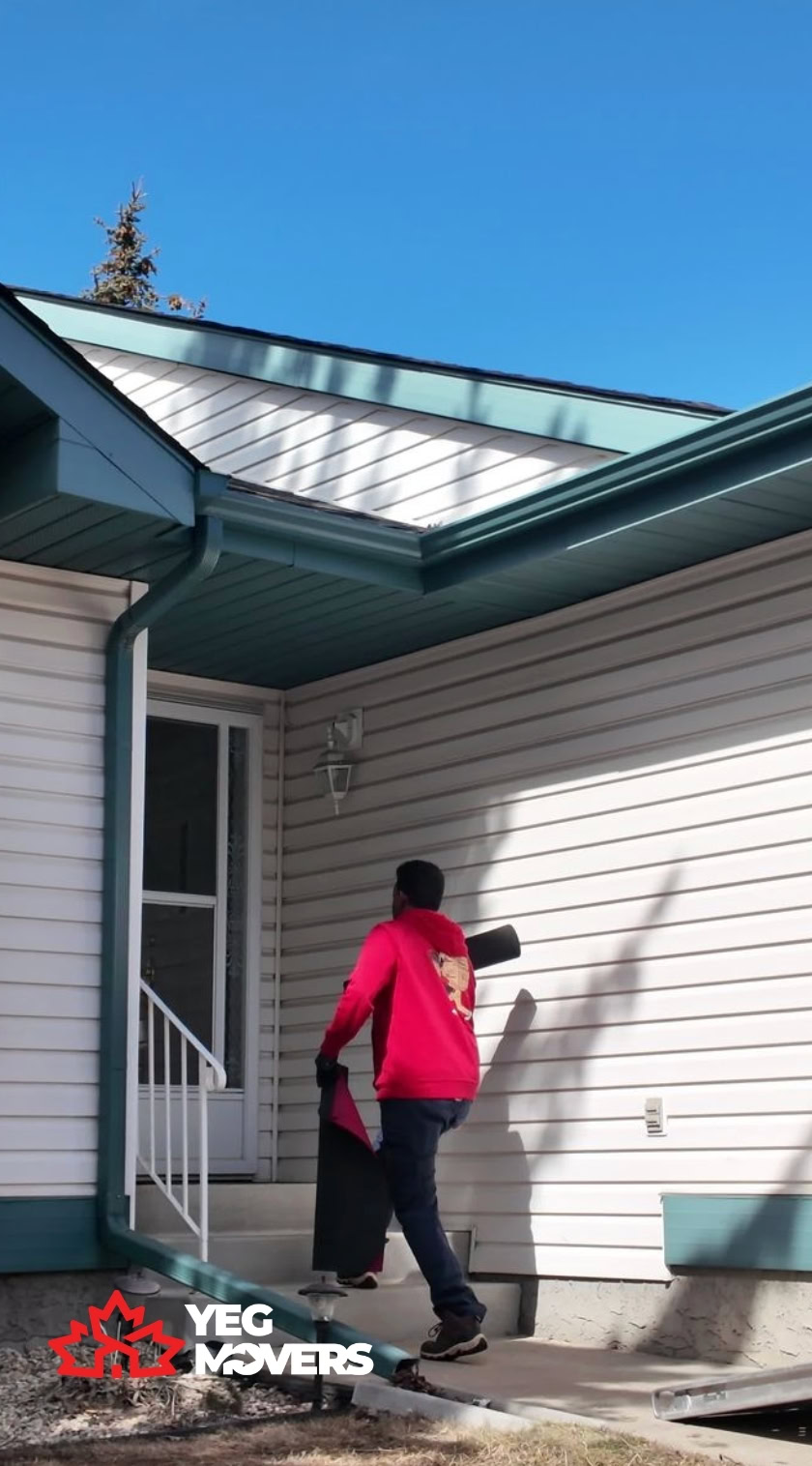
Moving house is stressful enough on its own — doing it mid-school-year adds a whole extra layer. Kids might be leaving behind a favorite teacher, close friends, sports or activities, and routines they’ve known for years, all while adjusting to a new way to get to school. Parents, meanwhile, are juggling boxes, work schedules, school records, movers, and possession dates, often all in the same week.

The good news is that timing the move right can ease a lot of that pressure. This guide walks through how to build a realistic timeline around the school calendar, help your kids feel ready for the change, navigate the school transfer process, and settle into your new Leduc home without those first few weeks turning into chaos.

Creating a Moving Timeline Around the School Calendar

The school calendar should be one of the first things families review when choosing a moving date. Check the current school-year calendar for professional development days, holidays, exam periods, and longer breaks before matching those dates against possession and work schedules.

For families planning a relocation in Leduc, compare school dates with housing, work, childcare, and transportation commitments before confirming moving day.

Consider:

  • School start and end dates
  • Weekends and professional development days
  • Holidays and school breaks
  • Exams or assessment periods
  • Extracurricular activities
  • Possession dates
  • Parent work schedules

How Far Ahead Should Families Start Planning?

A flexible timeline might look like this:

6–8 weeks before: Confirm housing dates, review the school calendar, contact the new school, and begin sorting belongings.

3–4 weeks before: Start packing non-essential items, confirm registration requirements, transportation, childcare, and extracurricular schedules.

Final week: Pack school items separately, prepare children’s personal bags, confirm utilities, and finish most household packing.

Moving day: Keep documents, medication, school supplies, snacks, and children’s essentials with the family.

When Is the Least Disruptive Time to Move?

Weekends can reduce missed class time, while school breaks may give children more time to settle in. Summer offers a longer adjustment period, but some families need to relocate mid-semester because of work, lease dates, or home possession.

There is no single best option. Choose the date that creates the fewest conflicts with schoolwork, activities, work commitments, and access to the new home.

Schools and Education Options in Leduc

School arrangements should begin before moving day, especially if the new address changes where a child attends school. Parents may need time to confirm registration, transportation, calendars, and available programs.

Families moving within Leduc can begin by checking which school serves their new address. Black Gold School Division provides designated-school, registration, and transportation information for families relocating within the area. When applicable, families considering Catholic education should also review current registration and transportation requirements with STAR Catholic Schools.

Avoid waiting until the household move is complete before starting these conversations.

Transitioning to a New School

Changing schools involves more than completing a registration form. Parents may need to communicate with both schools, transfer records, confirm the start date, and arrange transportation.

Keep important documents accessible rather than packing them with household boxes. Requirements can vary by grade and school, so contact the receiving school before moving day to confirm which registration and academic records should be provided.

What School Records Should Parents Keep Available?

Useful records may include:

  • Recent report cards
  • Registration documents
  • Identification
  • Previous school contact information
  • Medical or allergy information
  • Learning support documentation, where applicable
  • Transportation details

Speaking with the receiving school early can give everyone more time to prepare for the child’s first day.

Preparing Kids for the Move

Children may be thinking about friends, teachers, sports, their bedroom, or their first day at a new school while parents focus on logistics.

Parents moving with kids in Leduc can begin by discussing the change early, answering questions clearly, and involving children in age-appropriate decisions. Let them choose a few belongings to keep nearby, talk about their new school, and say goodbye to friends when possible.

Let Children Pack a Personal Moving-Day Bag

Each child can keep a small bag containing:

  • Favourite comfort item
  • Snacks and water
  • Chargers
  • Books or tablet
  • Medication
  • Change of clothes
  • Toiletries
  • School essentials

Keep these bags with the family instead of placing them in the moving truck.

Family-Friendly Moving Tips for the School Year

The most useful school-year moving tips focus on keeping everyday routines working while much of the house is packed.

Try to:

  • Keep backpacks and school supplies separate.
  • Leave school clothes or uniforms accessible.
  • Prepare simple meals and snacks ahead of time.
  • Maintain regular bedtimes where practical.
  • Pack favourite toys and daily-use items later.
  • Prepare a first-night box with bedding and toiletries.
  • Arrange childcare during heavy loading if appropriate.

School laptops, homework, chargers, and next-day clothing should stay easy to find throughout the move.

Housing and Neighbourhood Choices

Housing location can affect school travel, childcare, work commutes, and extracurricular schedules long after moving day.

When comparing homes or neighbourhoods, consider:

  • Distance from school
  • School transportation
  • Childcare options
  • Work commute
  • Parks and recreation
  • Distance to activities
  • Everyday shopping and services

The best fit depends on how the location works with your family’s normal weekday routine.

Coordinate Moving Day Without Disrupting School

Moving day brings school attendance, childcare, transportation, meals, loading, travel, and access to the new home into one schedule.

Families managing several responsibilities at once may find professional Leduc movers useful for handling furniture and household transportation while parents focus on children, work commitments, and school schedules.

Keep school supplies, important documents, medication, food, and next-day clothing in your own vehicle. Children should also stay away from areas where heavy furniture is being carried.

Families comparing moving dates can contact YEG Edmonton Movers at +1 780-229-4519 for a FREE quote. Planning early can provide more flexibility when coordinating the move with school and family commitments.

Settling In Without Losing the School Routine

You do not need to unpack every box immediately. Focus first on making the home functional for sleep, meals, school, and morning routines.

Set up children’s bedrooms, organize school clothes, locate backpacks, prepare lunches, and create a homework space. Confirm the route to school or bus pickup before the first school morning.

Bedrooms, bathrooms, the kitchen, and school supplies should generally come before less frequently used rooms. Once the immediate unpacking is under control, identify the local services your family will use regularly, such as childcare, recreation, healthcare, libraries, and community programs. Having those basics mapped out can make the first few weeks in a new routine easier to organize.

Common School-Year Moving Mistakes

A few common issues can make the transition more difficult. Most can be reduced by confirming school, transportation, and packing details before the final week:

  • Waiting too long to contact the school: Begin registration and record transfers early.
  • Packing school items too soon: Keep current supplies and electronics separate.
  • Forgetting transportation: Confirm buses, driving plans, or walking routes.
  • Ignoring extracurricular schedules: Account for practices, lessons, and activities.
  • Packing everything at the last minute: Start with seasonal and low-use belongings.
  • Changing routines too quickly: Keep familiar meals, sleep times, and activities where possible.

Final Family Moving Checklist

During the final week, focus on confirming arrangements rather than adding new tasks. Use this checklist to keep school and household priorities together.

  • Confirm the moving date and access time.
  • Complete school registration arrangements.
  • Transfer school records.
  • Confirm transportation.
  • Pack school materials separately.
  • Prepare children’s moving-day bags.
  • Confirm utilities.
  • Finish household packing.
  • Confirm moving-day arrangements.
  • Keep important documents accessible.
  • Prepare meals, water, and snacks.
  • Set up essential rooms first.

Frequently Asked Questions

Is it better to move during the school year or summer?

Summer may give children more time to adjust before classes begin, but a well-planned school-year move can also work. The better option depends on housing dates, school schedules, work, and the child’s needs.

How early should families plan a school-year move?

Starting several weeks ahead gives parents more time to coordinate schools, transportation, packing, utilities, and moving arrangements.

How can parents make moving easier for children?

Talk about the move early, answer questions, keep familiar routines where practical, and involve children in simple decisions about their belongings and new room.

What should children keep with them on moving day?

Medication, snacks, water, clothing, school essentials, electronics, chargers, toiletries, and a favourite personal item should remain nearby.

How should parents prepare for changing schools?

Contact the receiving school early, ask about registration, transfer records, confirm the start date, and arrange transportation.

Is a weekday or weekend better for a school-year move?

Weekends may reduce missed classes, while weekdays can make it easier to contact schools and property managers during business hours. Choose based on your family’s schedule and access to the new home.

Plan the Move Around Your Family’s Schedule

A school-year relocation is easier to manage when the school calendar and moving timeline work together. Start preparing early, arrange records and transportation, keep school items accessible, and restore children’s routines soon after arriving.

If your family is comparing Leduc movers, YEG Edmonton Movers can coordinate the transportation side of your relocation around school, work, and family schedules. Call +1 780-229-4519 for a FREE quote, and book early for greater flexibility when selecting your moving date.

Moving dates do not always line up perfectly. You may need to leave one home before the next one is ready, wait for renovations to finish, deal with a delayed closing, or stay in temporary accommodation for a short period.

In those situations, temporary space can give your belongings a planned place to go while the rest of the move catches up. This guide explains when temporary space makes sense, what options are available, how to prepare your items, and how to coordinate pickup and final delivery around your schedule.

When Does Short-Term Storage Make Sense During a Move?

A short-term holding plan is common when dates, renovations, lease timing, or access rules do not line up. It gives your belongings a planned place to stay while the next step is being finalized.

Using temporary storage during a move can help when you need a buffer instead of rushing furniture and boxes into the wrong place.

Common situations include:

  • possession dates that do not line up
  • a lease ending before the next home is ready
  • renovations that are still in progress
  • home staging before a sale
  • downsizing and needing more sorting time
  • temporary accommodation
  • delayed construction or closing dates
  • needing extra space while settling in

The main goal is to protect your belongings while giving yourself enough time to move in properly.

Understanding Your Short-Term Storage Options

There are several ways to handle belongings when your move has a gap. The best choice depends on your timeline, building access, budget, transportation plan, and how often you need to reach your belongings.

No single option fits every move, so it helps to compare the pros and limits before booking.

Self-Storage Units

Self-storage units can work well if you want regular access to your items. You usually rent the unit, transport items there, place them inside, and return later when your new home is ready.

This option may fit if you:

  • want to move items in stages
  • need access during the holding period
  • have a vehicle or rental truck
  • are storing boxes, small furniture, or seasonal items
  • prefer to arrange the space yourself

The main thing to plan is transportation. You may need to load, drive, unload, and repeat the same process later.

Portable Storage Containers

Portable containers can be useful when you want more time to load. A container may be delivered to your property, filled at your pace, then picked up or moved depending on the provider.

Before choosing this option, check property rules. Apartments, condos, rental buildings, shared driveways, and narrow streets may limit where a container can sit.

Portable containers can be convenient for some homes, but they may be harder to manage when exterior space is limited.

Moving Company Storage

Moving company storage can be practical when pickup, transportation, temporary holding, and final delivery need to be coordinated together. This can reduce repeated handling and help keep the schedule clearer.

For readers comparing short term storage Edmonton options during a relocation, this setup may help when the move includes large furniture, stairs, elevators, tight access, or limited parking.

What to Consider Before Choosing Storage

Price matters, but it should not be the only factor. A lower monthly rate may not save money if it leads to extra truck rentals, more labour, repeated trips, or difficult access.

Think about the full process from pickup to final delivery, not only the cost of the space itself.

Review these details:

  • how long you need storage
  • whether you need access during that time
  • how much space your belongings require
  • security features
  • temperature concerns
  • transportation needs
  • how often items will be handled
  • insurance questions
  • pickup and final delivery timing

How Long Will You Actually Need It?

A few days is different from several weeks or several months. If the gap is short, convenience and scheduling may matter more than regular access.

For a longer period, organization becomes more important. You may need to retrieve seasonal items, work supplies, children’s belongings, or documents before final delivery.

Cost-Effective Storage Strategies

Costs can rise when too much space is booked or the timeline is unclear. A smart plan helps you pay for what you actually need.

The best way to manage cost is to reduce volume, avoid repeated handling, and match the storage period to your real moving schedule.

Reduce What Goes Into Storage

Before packing, separate your belongings into simple groups:

  • keep with you
  • store temporarily
  • donate
  • sell
  • recycle or dispose
  • deliver directly to the new home if possible

The less you store, the less space and handling may be needed. This is especially useful if you are downsizing or moving from a larger home into a smaller one.

Avoid Paying for More Space Than Needed

Do a room-by-room estimate before booking. Count boxes, large furniture pieces, mattresses, appliances, seasonal items, and garage contents.

A small apartment may only need space for boxes and a few furniture pieces. A full house with patio furniture, tools, bins, and appliances will need more planning.

Keep the Timeline Tight but Realistic

Booking too much time can increase cost, but booking too little can create stress if your new home is not ready. A small date buffer is usually better than arranging everything at the last minute.

This is where storage between moving dates should be planned carefully. Write down the old home move-out date, new home possession date, pickup day, and final delivery day so the timeline is clear.

Easy Access to Belongings

Access is one of the most important details people forget to consider. Some options allow regular access, while others are better for items that can stay packed until final delivery.

Before choosing an option, think about what you may need during the gap between homes.

Decide What You May Need During the Gap

Keep frequently needed items out of storage, especially if you will be in temporary accommodation. This can prevent extra trips and unnecessary unpacking.

Keep these items with you:

  • medication
  • passports and identification
  • financial documents
  • valuables
  • chargers
  • work equipment
  • children’s essentials
  • pet supplies
  • clothing for temporary accommodation
  • keys and access cards
  • toiletries
  • basic kitchen items for short stays

If you need regular access to boxes, self-storage may be more practical. If you only need items held until final delivery, a coordinated moving company option may be simpler.

Label for Faster Retrieval

Label boxes on at least two sides. Use clear labels such as “kitchen dishes,” “office files,” “winter clothing,” or “kids’ bedding” instead of vague labels like “miscellaneous.”

A basic inventory can also help. You do not need a complicated system. A simple note on your phone listing major boxes and furniture can save time later.

Pack Belongings Differently for Temporary Storage

Items being held temporarily need slightly different preparation than items going directly into a new home. They may sit longer, be stacked differently, or be handled again during final delivery.

Good packing can reduce confusion, protect your belongings, and make unpacking easier later.

Use:

  • sturdy boxes
  • strong tape
  • clear labels
  • furniture covers
  • mattress bags
  • padding for fragile items
  • sealed bags for screws and hardware
  • labels on more than one side

Avoid placing damp items, open food, poorly sealed liquids, candles in extreme heat, or anything that could leak, smell, or attract pests.

Protect Furniture and Fragile Items

Furniture should be clean and dry before it goes into storage. Disassemble larger pieces when practical, and keep hardware in labeled bags.

For fragile items, use padding and avoid leaving empty space inside boxes. Plates, glassware, framed photos, lamps, and electronics should be packed with more care than items going straight across town.

Organize the Storage Space for Easier Retrieval

The space can become frustrating if everything is stacked randomly. Even if you do not plan to access items often, organization helps when the final delivery day arrives.

A simple system can reduce unnecessary unpacking and repacking.

Helpful steps include:

  • group items by room
  • keep needed boxes near the front
  • place heavier boxes at the bottom
  • avoid stacking heavy items on fragile boxes
  • disassemble furniture when practical
  • tape hardware bags to matching furniture
  • create a simple inventory
  • leave a small path if access is needed

Clear organization also helps movers place items in the right rooms when everything arrives at the new home.

Coordinating Moving and Storage Together

As a move becomes more complex, the challenge is often less about the storage space and more about timing. Pickup, loading, transportation, temporary holding, and final delivery all need to match your possession dates.

Coordinating everything through one provider may be helpful when you have large furniture, strict building access, elevator bookings, or limited parking.

When researching moving and storage Edmonton options, ask how pickup, item protection, short-term holding, schedule changes, and final delivery are handled. The goal is to understand the full process before your belongings leave the old home.

If your move includes a gap between dates, YEG Edmonton Movers can help you review your timing, transportation, and delivery plan. Call +1 587-442-3322 to request a FREE quote and discuss what schedule may work for your move.

Common Short-Term Storage Mistakes to Avoid

Most problems happen when people book late, choose the wrong setup, or pack without thinking about access later. These mistakes are common, but they are also preventable.

Planning before moving day can make the process easier to manage.

Avoid these mistakes:

  • Booking too late: Start checking options once your dates are likely.
  • Choosing the wrong amount of space: Estimate boxes, furniture, and bulky items before booking.
  • Storing items you need soon: Keep documents, chargers, clothing, and daily essentials with you.
  • Poor labeling: Label by room and contents so boxes are easier to find.
  • Skipping furniture protection: Cover furniture to reduce dust and handling marks.
  • Ignoring access needs: Choose an option that fits how often you need to retrieve items.
  • Forgetting insurance questions: Ask what coverage applies during transport and while items are being held.
  • Failing to coordinate delivery: Confirm the final delivery window before your new home is ready.
  • Paying longer than needed: Match the holding period to your expected move-in date when possible.

Short-Term Storage Checklist Before Moving Day

A checklist keeps decisions tied to your actual move schedule. Use it before packing everything or confirming final dates.

Before moving day:

  • confirm your move-out date
  • confirm your possession or move-in date
  • estimate the expected holding period
  • decide what actually needs to be held
  • declutter unnecessary belongings
  • estimate space requirements
  • confirm transportation
  • label boxes clearly
  • create a simple inventory
  • separate essentials
  • protect furniture
  • pack fragile items carefully
  • confirm pickup details
  • confirm final delivery arrangements

Frequently Asked Questions

How long is considered short-term storage?

It usually refers to a temporary period caused by a move-date gap, renovation, delayed possession, temporary housing, or a short settling-in window. The exact length depends on your situation and the provider’s terms.

When should I book temporary storage for a move?

Start as soon as your dates are likely. Earlier planning gives you more time to compare options, estimate space, and coordinate pickup or delivery.

What should I avoid putting into temporary storage?

Avoid perishable food, hazardous materials, damp items, open liquids, valuable documents, medication, and anything you may need during temporary accommodation.

How do I know how much space I need?

Start with your box count, large furniture, appliances, and seasonal items. A room-by-room inventory can make the estimate more accurate.

What happens if my new home is not ready on time?

Ask whether the holding period can be extended and how revised delivery dates are handled. It is better to understand this before booking, especially if possession or closing may change.

Can moving and storage be coordinated together?

Yes. In some cases, coordinating pickup, temporary holding, and final delivery through one provider can reduce scheduling complexity and limit repeated handling.

Plan Storage Around Your Moving Timeline

A short-term holding plan can be useful when move-out and move-in dates do not match, renovations run longer, or you need more time to sort belongings. The best choice depends on your timeline, access needs, transportation plan, and final delivery date.

Planning early helps you avoid rushed decisions during moving week. If you need moving and storage Edmonton services to bridge the gap between homes, call YEG Edmonton Movers at +1 587-442-3322 for a FREE quote. Book early so pickup, holding time, and delivery can be coordinated around your schedule.

Moving from one rental to another can become expensive faster than many renters expect. It may include overlapping rent, elevator, parking, deposits, packing material, cleaning, and utilities.

However, the positive thing about all additional expenses is that they can all be decreased through proper planning. This guide will teach you how to properly pick moving dates, create a budget, prepare your apartment for the move, and even save money on unnecessary expenses.

Why Rental-to-Rental Moves Can Cost More Than Expected

Rental moves often involve more than moving boxes from one unit to another. You may be dealing with lease terms, move-out inspections, deposits, building rules, and new utility setup at the same time.

When reviewing rental moving costs Edmonton renters often face, it helps to look beyond transportation and include rent overlap, cleaning, utilities, deposits, and access fees.

Common costs renters overlook

Some of the most common extra costs include:

  • overlapping rent between two units
  • security deposit timing
  • move-out cleaning supplies or cleaners
  • boxes, tape, wrap, and labels
  • utility transfer or setup fees
  • parking or elevator booking fees
  • temporary storage
  • meals during moving week
  • last-minute transportation changes

Many of these costs are manageable if you plan before the final week.

Compare Your Move-Out and Move-In Dates Early

Timing is one of the biggest factors in controlling the total cost of a rental move. Even a few extra days of overlap can increase what you pay, especially if rent is due at both places. If your move depends on a lease deadline, Alberta’s guidance on ending a tenancy can help you review notice timing and move-out expectations.

Start by writing down your lease end date, possession date, key pickup time, and any building move-in rules.

What to Do When Your Dates Do Not Line Up

Sometimes your old lease ends before the new unit is ready. Other times, you may get access early but still owe rent at the old place.

These lease overlap moving tips can help reduce pressure:

  • ask the new landlord if early access is possible
  • ask the current landlord about flexible move-out timing
  • use short-term storage for non-essential items
  • stay with family or friends for a night or two
  • consider short-term accommodation if needed
  • move in stages instead of all at once
  • schedule cleaning after the main items are out

A little overlap can be helpful, but too much overlap can become expensive.

Build a Rental Moving Budget Before Packing

A moving budget gives you a clearer view of what the move may actually cost. It also helps you decide where to save and where to spend carefully.

You do not need a complicated spreadsheet. A simple list with estimated costs is enough.

What to include in your budget

Plan for:

  • movers, truck rental, or transportation
  • deposits or deposit timing gaps
  • cleaning supplies or professional cleaning
  • packing supplies
  • storage if dates do not line up
  • utility setup or transfer fees
  • parking permits or building fees
  • takeout or groceries during moving week
  • temporary accommodation if needed

Add a small contingency amount for unexpected costs. Even $100 to $200 set aside can make last-minute issues easier to handle.

Declutter Before Moving Between Rentals

The less you move, the less time, space, and effort your rental move may require. This is especially helpful for apartments, where elevators, hallways, loading areas, and parking may already limit the schedule.

For renters searching moving between apartments Edmonton because they are planning a rental change, decluttering before packing can reduce both cost and stress.

Sort before you box everything

Use five simple categories:

  • keep
  • sell
  • donate
  • discard
  • store

Avoid moving items you already know you do not want. Old furniture, duplicate kitchen items, broken décor, unused clothing, and extra storage boxes can take up space and increase the time needed on moving day.

Plan Apartment Access Before Moving Day

Apartment access can affect both timing and cost. If the truck cannot park nearby or the elevator is not reserved, the move may take longer than planned.

Check these details as soon as your moving date is likely.

Access details to confirm

Ask building management about:

  • elevator reservations
  • loading zones
  • visitor parking
  • move-in and move-out windows
  • key or fob access
  • hallway or elevator protection
  • service entrances
  • damage deposits
  • building rules for movers

Missed access details can lead to delays, extra trips, or paying for more time than expected.

Avoid Paying for Unnecessary Packing Supplies

Packing supplies are easy to overbuy. Boxes, tape, wrap, and bins can add up, especially when you buy them in a rush. If supplies are adding to your costs, learning where to get moving boxes can help you avoid buying more than you need.

A smarter packing plan can reduce waste while still protecting your belongings.

Save money without packing poorly

Try these cost-saving ideas:

  • reuse clean boxes from previous purchases
  • borrow plastic bins from friends or family
  • use towels, blankets, and linens as padding
  • buy small boxes for heavy items
  • avoid oversized boxes that become too heavy
  • label every box by room
  • pack fragile items with extra padding
  • keep essentials separate

Good labeling can also save time during unloading because boxes go to the right room immediately.

Know When Professional Moving Support Makes Financial Sense

Doing everything yourself may seem cheaper, but it is not always the lowest-cost option once you count truck rental, fuel, lost work hours, extra trips, and the risk of damage or injury.

Professional moving support may make sense when the move has tight access, heavy furniture, or strict timing.

When hiring movers may save money

Consider professional support if you have:

  • large furniture
  • stairs or narrow hallways
  • strict elevator windows
  • limited parking
  • heavy appliances
  • multiple trips without a truck
  • a short move-out deadline
  • limited time away from work

When comparing Apartment movers Edmonton renters may use, ask about minimum hours, travel time, furniture protection, elevator timing, and any extra charges that could affect the final price.

Handle Cleaning and Damage Carefully

Your move-out condition can affect your deposit. Leaving cleaning or minor repairs too late may create extra costs after you leave.

Plan cleaning after most items are out, but before the final walkthrough.

Protect your deposit

Before handing over keys:

  • take photos of the empty unit
  • clean appliances
  • wipe cabinets and drawers
  • sweep and mop floors
  • remove garbage
  • patch small nail holes if allowed
  • check lease cleaning requirements
  • confirm inspection timing
  • return keys, fobs, and parking passes

Photos can help if there is a disagreement about the unit’s condition later.

Transfer Utilities Without Paying Twice

Utility timing can also affect the total cost of moving between rentals. If services are left active too long at the old apartment or started too early at the new one, you may pay more than needed. Adding mail forwarding to your move plan can help important mail follow you after your rental address changes.

Plan these changes as soon as your dates are clear.

Services to update

Review:

  • electricity
  • internet
  • water, if applicable
  • tenant insurance
  • mail forwarding
  • online accounts
  • banking and government address updates

Try to schedule services around actual possession and move-out dates. Keep confirmation emails in one folder so they are easy to find.

Common Money-Wasting Mistakes Renters Make

Most expensive rental-moving mistakes come from waiting too long or missing small details. The fix is usually simple, but it needs to happen before moving week.

Here are common mistakes and better choices:

  • Waiting too long to book: Start checking availability once your dates are likely.
  • Paying rent at both places too long: Compare lease dates and ask about flexible access.
  • Underestimating packing time: Start with storage, closets, and low-use items first.
  • Forgetting elevator reservations: Book elevators as soon as the building allows.
  • Leaving cleaning until the last minute: Plan a separate cleaning window if possible.
  • Making too many vehicle trips: Declutter early and choose the right transport option.
  • Buying too many supplies: Reuse boxes and buy only the sizes you need.
  • Ignoring lease requirements: Review move-out cleaning, notice, and key-return rules.

Final Rental Move Checklist

The final week is easier when the main dates, access details, and final tasks are already written down. Keep this checklist nearby and update it as tasks are completed.

Use this before moving day:

  • confirm move-out date
  • confirm move-in date
  • book elevator if needed
  • arrange parking
  • finish packing
  • transfer utilities
  • complete cleaning
  • photograph the old unit
  • prepare keys and fobs
  • keep documents accessible
  • confirm transportation
  • separate first-night items

Frequently Asked Questions

How can I avoid paying rent on two apartments at once?

Compare your lease end date and possession date early. Ask about early access, flexible move-out timing, or a shorter overlap window if possible.

What are the most common extra costs when moving between rentals?

Common costs include overlapping rent, cleaning, packing supplies, storage, parking, elevator fees, utility setup, and temporary accommodation.

When should I start planning an apartment move?

Start once your moving date is likely. Four weeks gives you more time to book access, pack, compare options, and reduce last-minute costs.

Is temporary storage worth it between rentals?

It can be worth it if your dates do not line up or your new apartment is not ready. Storage may cost less than rushed decisions or paying for extra rent.

How can renters reduce moving costs in Edmonton?

Declutter early, avoid too much lease overlap, reserve elevators, compare transportation options, reuse packing supplies, and keep cleaning organized.

Plan Your Rental Move Without Paying More Than You Need

Moving between rentals is easier to manage when you plan around lease dates, access rules, utilities, cleaning, and packing before the final week. A clear budget and realistic schedule can help reduce unnecessary costs and avoid rushed decisions.

At YEG Edmonton Movers, we help renters plan apartment moves with practical timing, careful handling, and clear communication. To discuss your move and request a FREE quote, call +1 587-442-3322 when you are ready to compare your options.

Changing homes during the school year can be difficult for both parents and children. Families are not only packing boxes and arranging transportation. They are also trying to protect school routines, homework time, extracurricular activities, and a sense of stability.

It is possible to make school year move smooth and easy with proper preparation. This guide tells how to organize your move according to priority, keep children occupied, what to pack later and how to organize moving day without destroying school routine.

Why School-Year Moves Need Extra Planning

A school-year move is different from a summer move because daily routines are already full. Children may have classes, assignments, sports, lessons, and social plans happening at the same time the household is preparing to relocate.

The best school year moving tips usually focus on timing, communication, and keeping familiar routines in place where possible.

School schedules affect the whole move

During the school year, families often need to work around:

  • school drop-off and pickup times
  • homework schedules
  • extracurricular activities
  • parent work hours
  • bus routes or driving arrangements
  • school events, exams, and report cards

When these details are planned early, moving day feels less disruptive for everyone.

Children may need more emotional support

Even a local move can feel big to a child. They may worry about changing bedrooms, missing friends, adjusting to a new route, or keeping up with schoolwork during the transition.

Talking about the move early gives children time to ask questions and understand what will change and what will stay familiar.

Start Planning Around the School Calendar

Before choosing a moving date, look closely at the school calendar. Some dates may be easier than others, especially if your children are dealing with tests, projects, sports tournaments, concerts, or school trips.

Try to choose a time that gives your family enough room to pack, move, and settle without adding pressure to important school deadlines.

Talk to Your Child’s School Early

Let the school know about the move as soon as your timeline is clear. Even if your child will stay at the same school, teachers may need to know about transportation changes, absences, or temporary disruptions.

If your child is changing schools, review the local school registration process early so paperwork, acceptance, and start dates are clear. You can also ask about:

  • student record transfers
  • registration requirements
  • transportation or bus routes
  • report cards or progress updates
  • special learning plans or support needs
  • upcoming assignments or tests

A short conversation with the school can prevent confusion later.

Give Children Time to Adjust

Children often handle change better when they know what to expect. Explain the move in simple, age-appropriate language and involve them in small decisions where possible.

Younger children may want to choose a box for favorite toys. Older children may appreciate seeing the new route to school, setting up their room plan, or helping choose what to pack first.

Build a Family Moving Checklist

A family moving checklist helps parents keep school, home, and moving tasks in one place. It also makes it easier to divide responsibilities instead of carrying the full workload alone.

The goal is not to make the move perfect. The goal is to reduce last-minute scrambling.

Include these items on your checklist:

  • collect or transfer school records
  • update address details where needed
  • gather packing supplies
  • confirm utility transfer dates
  • plan school transportation
  • refill medication before moving day
  • arrange childcare if needed
  • keep IDs and important documents accessible
  • pack school bags separately
  • prepare first-night essentials
  • confirm extracurricular schedules
  • notify teachers about any missed class time

Assign simple tasks to each family member. One parent may handle utilities and paperwork. Another may handle packing supplies. Children can sort toys, label boxes, or pack low-risk items with supervision.

How to Keep Children’s Routines Consistent

Routines can help children feel more settled during a move. Even when the home is full of boxes, keeping a few familiar habits can make the week feel more normal.

For families searching for moving with kids St Albert advice, keeping familiar routines is one of the best places to start.

Keep bedtime and mornings familiar

Try to keep bedtime, wake-up time, breakfast, and school prep as normal as possible. This may mean packing bedrooms last or keeping a few comfort items out until moving day.

Small habits can help, such as:

  • using the same bedtime story
  • keeping favorite pajamas accessible
  • preparing lunch items the night before
  • setting out school clothes early
  • keeping backpacks in the same visible spot

These simple steps can make the transition feel less sudden.

Avoid changing too many routines at once

A new home already brings enough change. Try not to overhaul meals, bedtime, screen rules, chores, and school routines during the same week.

Give your family time to adjust before adding more changes.

Pack Children’s Rooms Strategically

Children’s rooms can be emotional to pack because they include comfort items, school supplies, clothes, toys, and personal belongings. A rushed approach can make children feel like their space is being taken apart too quickly.

Pack in stages so children still have what they need until moving day. If your family is unsure where to begin, knowing what to pack first when moving can help you keep school items and daily essentials available until the right time.

Create a First-Night Box for Each Child

Each child should have a clearly labeled box or bag for the first night in the new home. Keep it easy to reach, not buried deep in the moving load.

Include:

  • pajamas
  • toiletries
  • favorite toy or comfort item
  • school supplies
  • chargers
  • clean clothing
  • medication
  • water bottle
  • bedtime book
  • any needed uniforms or activity gear

This helps children settle faster and keeps parents from searching through boxes at bedtime.

Label School and Activity Items Separately

School items should not be mixed with random household boxes. Keep backpacks, lunch kits, uniforms, sports equipment, instruments, and homework materials separate.

Use labels like:

  • “School – open first”
  • “Soccer gear”
  • “Homework supplies”
  • “Monday morning clothes”
  • “Lunch items”

This makes it easier for children to return to their usual routine quickly.

Prepare for Moving Day Without Disrupting School

Moving day can be easier when school-day items are kept separate and the family has a clear plan for timing. Decide whether children will attend school, stay with family, or be present for part of the move.

The right plan depends on your child’s age, temperament, school schedule, and how complicated the move will be.

Keep school-day essentials out of the truck

Set aside anything needed for the next school day before loading begins. This includes backpacks, lunch containers, tablets, homework, chargers, indoor shoes, uniforms, and activity items.

Keep these items in your personal vehicle or in a clearly marked area.

Plan meals and snacks ahead of time

Moving days can run longer than expected. Prepare simple meals, snacks, and water bottles in advance so children are not waiting while the kitchen is packed.

Easy options include sandwiches, fruit, granola bars, crackers, refillable water bottles, and a simple dinner plan for the first night.

Know when professional support may help

If you are balancing school pickup, work hours, heavy furniture, stairs, and a strict move-out deadline, professional movers may help reduce the pressure on moving day.

When speaking with St Albert movers, give clear details about school timing, access, parking, stairs, large furniture, and any time limits. That makes it easier to plan a realistic schedule.

Help Children Settle Into Their New St. Albert Home

The move is not finished when the boxes arrive. Children still need time to understand the new space, learn new routines, and feel comfortable in the home.

A few small choices can help the first week feel calmer.

Set up children’s bedrooms early

Try to set up beds, bedding, clothes, and comfort items first. A familiar sleeping space can help children feel grounded after a busy day.

Even if the room is not fully decorated, having the basics ready can make the first night easier.

Learn the school route

Practice the school route before the first school day from the new home. Time the drive, walk, or bus plan so mornings feel less rushed. Families using busing should check school transportation details early, especially if the new address changes route or stop options.

Also identify nearby landmarks, safe crossing areas, bus stops, and pickup spots.

Explore nearby parks and family places

After the move, take time to explore your new area. A short walk to a park, recreation centre, trail, or library can help children feel more connected to the neighbourhood.

Keep it simple. The goal is to build comfort one step at a time.

Common Mistakes Families Make During School-Year Moves

Most school-year moving problems come from small details being left too late. The good news is that many of them are easy to prevent.

Here are common mistakes and how to avoid them:

  • Packing school supplies too early: Keep backpacks, homework, chargers, and school clothes separate until the move is complete.
  • Forgetting to notify the school: Tell teachers or administration about timing, absences, and record transfers early.
  • Leaving address changes too late: Update important accounts, school records, health providers, and mail plans before moving week.
  • Moving during major school deadlines: Avoid test days, project due dates, and major school events when possible.
  • Skipping first-night boxes: Prepare one for each child so bedtime and school mornings are easier.
  • Changing too many routines at once: Keep familiar meals, bedtime, and homework routines where possible.
  • Leaving children out of the process: Let them pack simple items, label boxes, or help plan their room.

Final Week Checklist for Families

The final week is when small details matter most. A short checklist can help your family stay organized without relying on memory.

Use this list as your final review:

  • confirm the move schedule
  • finish school paperwork
  • pack first-night boxes
  • keep school supplies separate
  • confirm utilities
  • prepare meals and snacks
  • keep important documents accessible
  • charge phones and tablets
  • confirm transportation to school
  • check extracurricular schedules
  • clear hallways and entrances
  • complete a final walkthrough

This checklist can also be placed on the fridge or shared with older children so everyone knows what still needs to happen.

Frequently Asked Questions

Is it difficult to move during the school year?

It can be more complicated than a summer move because families need to work around classes, homework, transportation, and routines. Planning early makes it much easier to manage.

How early should families start preparing for a school-year move?

Start as soon as the moving date is likely. Even four weeks of preparation can help with school paperwork, packing, utilities, and transportation planning.

How can parents make moving easier for children?

Talk about the move early, keep routines familiar, involve children in age-appropriate tasks, and set up their bedrooms as soon as possible after moving.

What should children keep with them on moving day?

Children should keep school supplies, chargers, medication, pajamas, clothing, toiletries, comfort items, and any next-day school essentials nearby.

Should families move on a school day or weekend?

A weekend may reduce school disruption, but it can also be busier. A school day may work if childcare, pickup, and bedtime routines are planned carefully.

Plan Early for a Smoother School-Year Move

A school-year move takes more planning because children’s routines, school schedules, transportation, and homework all need attention. When families prepare early, keep essentials accessible, and use a clear checklist, the move can feel more organized and less rushed.

At YEG Edmonton Movers, we help families plan school-year moves with clear communication, careful handling, and practical relocation support. To discuss your timing and request a FREE quote, call +1 587-442-4651 when you are ready to plan the next step.

Leaving a dorm for your first apartment is exciting, but it also brings new responsibilities. You may be coordinating keys, furniture, utilities, roommates, transportation, and school deadlines for the first time.

Students dealing with heavy furniture or limited building access may benefit from working with apartment movers in Edmonton. This guide explains how to plan, pack, budget, and settle into an Edmonton apartment.

Why Leaving a Dorm Is Different

Dorm life usually includes furnished rooms, shared facilities, and utilities built into one payment. An apartment offers more independence, but you become responsible for details that residence staff previously handled.

Knowing what changes ahead of time helps you avoid extra charges and last-minute errands.

Residence Rules Still Apply

Residence contracts and private apartment leases may follow different rules, so review your school’s checkout agreement separately from your new apartment lease.

Your school residence may have requirements for:

  • Key and access-card returns
  • Cleaning standards
  • Room inspections
  • Elevator reservations
  • Loading-zone access
  • Final departure times

Review the instructions before packing. Take photos after cleaning and keep inspection forms or key-return receipts until your account is closed.

Apartment Responsibilities Begin Early

Your lease and building setup may require you to arrange electricity, internet, tenant insurance, parking, and laundry access before receiving the keys. You may also need to pay a security deposit, complete a condition inspection, and follow building rules for loading areas or elevators.

Independence Requires a Realistic Budget

Rent is only one part of living on your own. Food, transportation, furniture, household supplies, and utilities can add up quickly.

Before signing a lease, estimate the full monthly cost. A lower-rent unit may still cost more overall when parking, transit, or utilities are expensive.

Plan Before the Semester Ends

The final weeks of a semester can become crowded with exams, assignments, work shifts, and travel. Starting early helps you separate school responsibilities from packing and apartment setup.

A simple timeline keeps small tasks from piling up during your final week.

Four to Six Weeks Before Your Departure

Begin with tasks that need approval or advance scheduling:

  1. Confirm the lease start date.
  2. Review the residence checkout deadline.
  3. Give notice at your current rental, when required.
  4. Ask the apartment manager about elevator bookings.
  5. Confirm parking and loading access.
  6. Decide how furniture and boxes will be transported.
  7. Ask roommates which shared items they already own.

Measure large furniture, doorways, stairwells, and elevators. A sofa that fits the room may still be too wide for the hallway.

Two to Three Weeks Before

Pack completed course materials, decorations, seasonal clothing, and extra bedding first.

Confirm transportation and ask helpers to commit to a clear time. A vague promise to help “sometime Saturday” can leave you short-handed.

During the Final Week

Focus on practical details:

  • Finish laundry.
  • Clean the dorm room.
  • Pack an overnight bag.
  • Confirm key pickup.
  • Charge your phone.
  • Check the weather.
  • Keep identification and lease papers accessible.

Edmonton weather can change quickly, so keep plastic covers, towels, or protective blankets nearby in case of rain.

Moving from Campus Residence to an Edmonton Apartment

Coordinate Residence Checkout and Apartment Key Pickup

Explain what students should do when residence checkout occurs before apartment access begins.

Plan Around Semester and Exam Dates

Discuss packing non-essential belongings before exams and avoiding a full move immediately after a final exam.

Check Transit, Parking and Building Access

Mention the importance of confirming loading areas, elevator times and street access before moving day.

Arrange Storage Between Semesters

This is a significant missed commercial opportunity. Competitors prominently offer short-term storage for students who must leave residence before their next lease begins.

Create an Apartment Moving Checklist

An apartment moving checklist prevents administrative tasks from disappearing among boxes and furniture. Divide it into services, documents, supplies, and building requirements.

Complete each group in stages instead of trying to remember everything on the final day.

Arrange Utilities and Internet

Ask the landlord which services are included in the rent. Do not assume electricity, heat, water, or internet is covered unless the lease states it clearly.

Set up required accounts before receiving the keys. Internet appointments can be harder to schedule during busy student periods.

Review Tenant Insurance

Some landlords require proof of tenant insurance before releasing keys. Even when it is optional, a policy may protect personal belongings and provide liability coverage.

Compare personal property limits, liability coverage, deductibles, and protection for laptops, bicycles, and electronics. Read the policy rather than choosing by price alone.

Update Your Address

Change your address with:

  • School records
  • Employer
  • Bank and credit cards
  • Mobile provider
  • Insurance company
  • Driver’s licence records
  • Subscription and delivery services

Old saved addresses can send food, groceries, or packages to the wrong building.

Gather Supplies

Prepare more than boxes and tape. You may need labels, a mattress cover, protective blankets, a basic tool kit, cleaning products, garbage bags, toilet paper, light bulbs, and a shower curtain.

Keep first-night supplies in a separate box that stays easy to reach.

Packing Tips for Students

A dorm room can look simple until every drawer, cupboard, and storage bin is opened. Breaking the space into small sections makes packing easier and prevents unrelated items from being mixed together. Students who need a clear starting point can also review what to pack first before working through the rest of their room.

Useful student moving tips focus on protecting belongings, reducing unnecessary purchases, and keeping essentials close.

Pack One Area at a Time

Finish one section before starting another:

  1. Desk and study materials
  2. Clothing and footwear
  3. Bedding and towels
  4. Bathroom items
  5. Kitchen supplies
  6. Electronics
  7. Decorations and personal belongings

Label each box with its contents and destination room. “Kitchen—plates and mugs” is far more useful than “apartment stuff.”

Prepare an Essentials Box

Include the items needed during the first 24 hours:

  • Phone charger
  • Medication
  • Toiletries
  • Change of clothes
  • Towel and bedding
  • Basic dishes
  • Snacks and water
  • Cleaning cloths
  • Important documents

Keep this box with you and bring it inside early.

Protect Textbooks and Electronics

Books become heavy quickly, so use smaller boxes. Keep current course notes and important paperwork in a separate folder.

Back up school files before disconnecting your computer. Photograph cable connections, add suitable padding, and keep electronics away from liquids and heavy boxes.

Pack Kitchen Items by Use

Wrap breakable pieces and fill empty spaces so items do not shift during transport. Check what your roommates already have before buying another kettle, toaster, microwave, or set of cutlery.

Sort Clothing Before Boxing It

Donate clean clothing you no longer wear. Keep a rain jacket, sweater, or warmer layer easy to find because Edmonton conditions can change quickly.

Budget for Your First Apartment

Your first month in an apartment often carries the highest setup costs. Deposits, furniture, groceries, transportation, and household supplies may all need to be paid for within a short period.

Build a realistic budget before spending on décor or optional furniture.

One-Time Costs

Students renting for the first time should review Alberta’s security deposit rules before making a payment or signing the lease. School-operated residence agreements may not be treated the same as standard apartment leases. Alberta’s Residential Tenancies Act does not generally apply to accommodation rented to a student by an educational institution unless the student has exclusive possession of a self-contained rental unit.

Initial expenses may include:

  • Security deposit
  • First month’s rent
  • Transportation
  • Furniture
  • Kitchen equipment
  • Cleaning supplies
  • Utility setup fees
  • Tenant insurance
  • Parking permits

Ask for receipts and keep records of payments made to the landlord or property manager.

Monthly Costs

Estimate rent, electricity, internet, groceries, transit or fuel, parking, laundry, household supplies, and insurance.

Add a small emergency amount. Unexpected school, food, or medical expenses can appear even when repairs are the landlord’s responsibility.

Save Through Roommate Planning

Ask each roommate what they already own. Create a shared list for kitchen tools, cleaning products, furniture, and internet equipment.

Decide who owns each item and how shared purchases will be handled if someone leaves. A short written agreement can prevent confusion.

What to Expect in Your First Apartment

Your first apartment move may feel less predictable than leaving residence. Building access, inspections, roommates, parking, and delivery times all need to line up.

Knowing what happens during the first few hours can help you stay organized.

Complete the Condition Inspection

In Alberta, landlords and tenants must complete move-in and move-out inspection reports. Review the apartment before furniture arrives, record existing damage, take dated photos, and keep a copy of the signed report. Before receiving the keys, review Alberta’s inspection report guidance so you understand what should be documented and retained.

Record wall marks, floor damage, broken blinds, appliance problems, stains, missing screens, and damaged fixtures. Take dated photos, submit the inspection form on time, and keep a copy.

Unload by Room

Place boxes directly in their assigned rooms instead of stacking everything in the living room.

Set up the bed early. Even if the apartment remains unfinished, you will have a place to rest.

Test Basic Services

Check:

  • Lights and outlets
  • Hot and cold water
  • Stove and refrigerator
  • Smoke alarms
  • Door and window locks
  • Heating controls
  • Intercom or buzzer
  • Laundry access

Report problems in writing and keep copies of messages sent to the landlord.

Common Mistakes Student Renters Make

Most problems come from rushed planning rather than lifting boxes. A few checks before receiving the keys can prevent extra costs and avoidable stress.

Packing Too Late

Waiting until exams are finished may leave only one or two days to pack. Start with non-essential belongings before the final week of classes.

Forgetting Services

Confirm electricity and internet activation dates before arrival. Keep account numbers available in case you need support.

Buying Too Much Furniture

Measure doorways, stair turns, elevators, and rooms before purchasing large pieces. Inspect used furniture for damage, odours, or pests before bringing it inside.

Missing Lease Details

Read rules about guests, pets, smoking, subletting, parking, noise, repairs, notice periods, and cleaning responsibilities. Ask questions before signing rather than relying on verbal promises.

Ignoring Shared-Housing Expectations

Discuss cleaning, groceries, guests, noise, bills, and shared items early. A basic roommate agreement can clarify responsibilities.

When Professional Help Makes Sense

Professional help may not be necessary when you have only a few boxes and access to a suitable vehicle. It becomes more practical when the apartment has stairs, large furniture, strict building hours, or limited parking.

However, outside help can be practical in several situations.

Heavy or Awkward Furniture

Mattresses, desks, sofas, dressers, and shelving can be difficult to carry through narrow hallways or stairwells. A trained crew may also bring dollies, straps, and protective covers.

Multiple Flights of Stairs

A walk-up apartment can turn a modest load into a physically demanding job. Consider the number of boxes, furniture weight, and the experience of your helpers.

Limited Building Access

Some properties allow arrivals only during reserved periods. Professional support can reduce delays when the elevator or loading area is available for a short window.

Shared Apartments

Several students arriving on the same day can create congestion. Stagger arrival times and label belongings clearly.

A crew can handle heavier pieces while residents bring in smaller boxes and personal items.

Busy School or Work Schedules

Students balancing classes, exams, part-time work, or co-op placements may have little time for transportation and lifting.

Compare professional support with truck rental, fuel, equipment, parking, and the time required from friends.

Frequently Asked Questions About Student Relocations

When should students start packing?

Begin sorting three to four weeks before departure. Pack decorations, completed course materials, off-season clothing, and other non-essential belongings first.

What should students pack first?

Start with items stored under the bed, in closets, or on shelves that are not used daily. Keep current coursework and first-night supplies accessible.

How much does a student relocation usually cost?

Pricing depends on distance, volume, stairs, building access, transportation, and labour. Ask for a written estimate based on your actual belongings.

What belongs in an essentials box?

Include medication, toiletries, chargers, clean clothes, bedding, basic kitchen items, documents, snacks, water, and cleaning supplies.

How can students save money?

Declutter before packing, reuse suitable boxes, coordinate shared purchases, transport smaller belongings yourself, and compare options early. Measure the apartment before buying furniture.

Start Apartment Life With a Clear Plan

A smooth dorm-to-apartment transition begins with early preparation. Confirm lease dates, reserve building access, arrange utilities, create a realistic budget, pack by room, and document the apartment’s condition before settling in.

YEG Edmonton Movers provides apartment and condo moving, local and long-distance moving, packing and unpacking, and moving and storage services across Edmonton, St. Albert, Beaumont, Stony Plain, Spruce Grove, and Leduc. For students dealing with heavy furniture, stairs, narrow hallways, or limited elevator times, apartment movers can handle the most demanding parts of the day.

Call +1 587-442-3322 to request a FREE quote and discuss your schedule. Booking early can provide more flexibility around residence checkout dates, semester deadlines, and apartment access times.