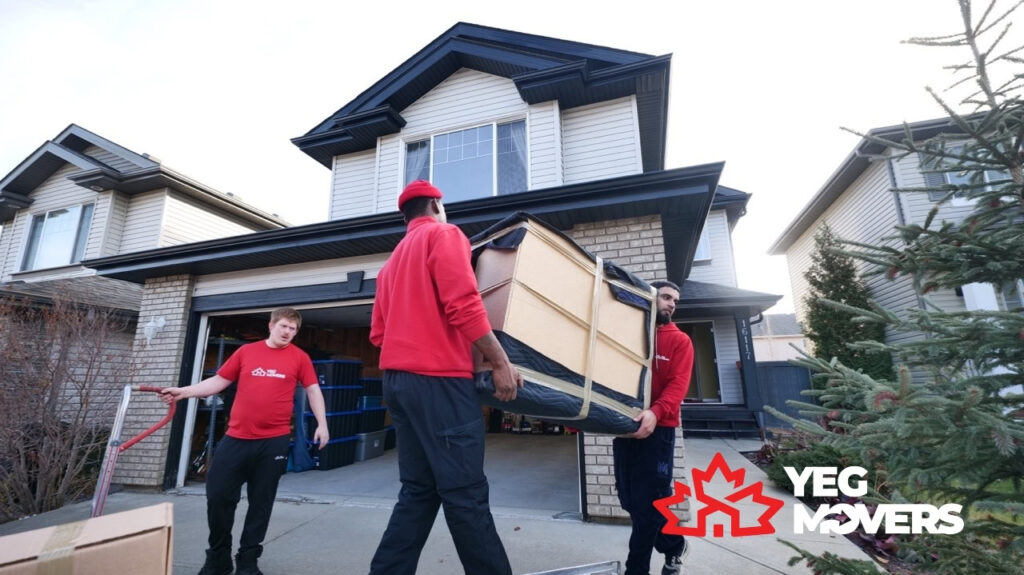
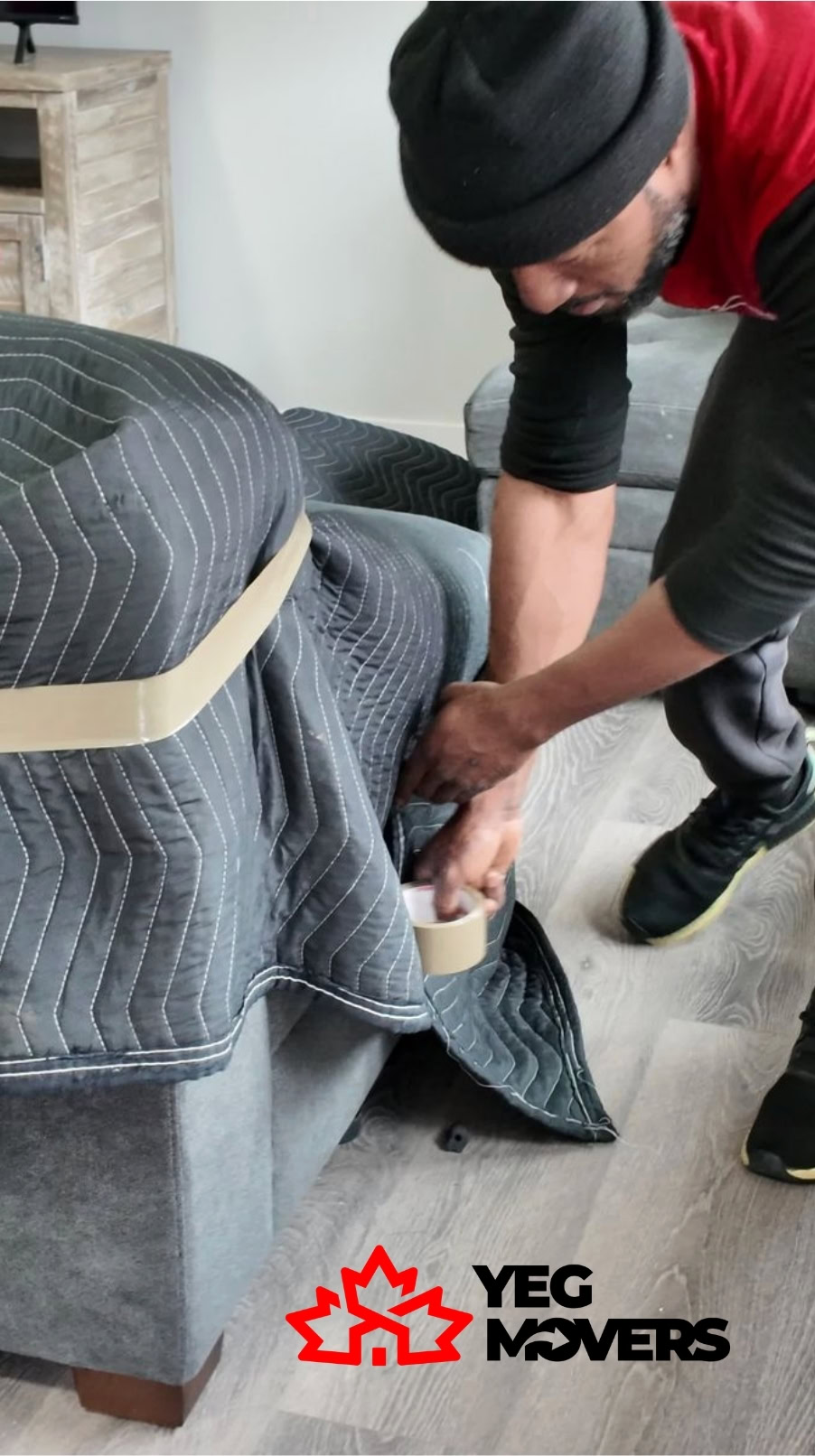
The biggest headache for many people when it comes to moving is packing. Many are concerned with forgetting something, breaking their breakables, or finding out after the fact that it took way longer than expected to pack everything up!

In this guide, we walk you through a simple check list to keep you organized from the first box to your last moving day. We also give you an overview of how the typical moving process works, the factors that affect the price of your move, and a few ways to avoid the most common mistakes made by many people while moving around Edmonton.

Common Challenges When Moving in Edmonton

Moving in Edmonton comes with its own set of practical challenges. Being aware of them early can help you prepare better and avoid last-minute stress.

Local moves often involve factors that people don’t always anticipate until moving day arrives.

Weather and Seasonal Conditions

Edmonton’s weather can shift quickly, especially during winter and early spring. Snow, icy sidewalks, and colder temperatures can slow down loading times and make careful packing even more important.

Protecting furniture, electronics, and fragile items becomes essential when moving during colder months.

Condo and Apartment Rules

Many apartment buildings and condominiums require advance booking for elevators or loading areas. Some buildings also restrict moving hours or require proof of insurance.

Checking these policies ahead of time prevents delays and helps keep the move running smoothly.

Timing and Availability

Peak moving periods typically happen near the end of the month and during summer. Planning early helps avoid limited truck availability or rushed packing.

Organizing your packing schedule several weeks ahead can make the entire process easier.

How the Moving Process Works

Understanding the moving process step by step can remove much of the uncertainty people feel before relocating. A structured approach keeps things predictable and manageable. Following a structured moving preparation guide can make the entire process easier to manage.

Step 1: Planning and Inventory

Before packing begins, create a simple inventory of everything you plan to move.

This step helps you:

  • Estimate how many boxes and packing materials you’ll need
  • Identify fragile or specialty items that require extra protection
  • Decide which items can be donated, sold, or discarded before packing begins

Decluttering at this stage reduces both packing time and transportation costs.

Step 2: Gathering Packing Supplies

Using the right materials helps prevent damage and keeps items organized during transport.

Basic packing supplies typically include:

  • Strong cardboard boxes in multiple sizes
  • Packing paper or bubble wrap for fragile items
  • Heavy-duty tape and markers for labeling
  • Protective blankets for furniture

Having these supplies ready before packing starts prevents delays later.

Step 3: Room-by-Room Packing

Packing one room at a time keeps things manageable and helps prevent items from getting mixed up. Learning how to pack fragile items safely can reduce the risk of damage during transport.

A practical moving packing checklist Edmonton residents often follow includes:

  • Labeling each box with its destination room
  • Keeping essential daily items separate
  • Wrapping fragile items individually

This method makes unpacking easier once you arrive at your new home.

Step 4: Moving Day Coordination

On moving day, organization matters more than speed.

Items are typically loaded in a structured order:

  • Large furniture first
  • Medium boxes stacked securely
  • Fragile items placed last for protection

This process helps protect belongings and keeps the truck balanced during transport.

For people comparing movers Edmonton, seeing how structured the process is often helps them understand the value of experienced coordination.

Understanding Costs and What Affects Pricing

Moving costs can vary depending on several practical factors. Knowing what influences pricing helps you plan realistically and avoid surprises.

Transparency around these details is important so you know exactly what to expect. The Government of Alberta provides information about consumer protection for moving services and service contracts.

Distance and Travel Time

The distance between locations plays a major role in determining transportation costs.

Longer distances mean more fuel, travel time, and logistical planning.

Volume of Items

The more belongings you move, the more packing materials, labor time, and truck space are required.

Downsizing or decluttering beforehand can often reduce overall costs.

Access and Property Layout

Stairs, narrow hallways, or limited parking can increase the complexity of loading and unloading.

Buildings with elevators or reserved loading zones can make the process faster and safer.

Packing Mistakes Office Movers Help Prevent

Packing mistakes are common, especially when people try to complete everything in a short amount of time. Learning what to avoid can save both time and frustration.

Waiting Too Long to Start Packing

One of the most common mistakes is underestimating how long packing takes.

Starting early allows you to pack gradually and reduces last-minute stress.

Overloading Boxes

Boxes that are too heavy can break during lifting or transport.

It’s better to distribute weight evenly and keep boxes manageable. Following proper safe lifting guidelines can help reduce the risk of injury while moving heavy items.

Forgetting Essential Items

Many people accidentally pack items they’ll need immediately after arriving.

A small essentials box should include:

  • Phone chargers
  • Basic toiletries
  • Important documents
  • A change of clothes

Keeping these items accessible can make the first day in your new home much easier.

Packing Tips for Homes and Offices

Packing requirements can differ depending on whether you’re moving a household or a workplace.

For businesses working with office movers, packing usually involves protecting equipment, labeling workstations, and organizing documents carefully. Using an office moving packing checklist helps ensure important items like computers, files, and office supplies are packed systematically to reduce downtime after relocation.

Homes, on the other hand, often involve more personal belongings and fragile items that require careful wrapping and labeling.

Adapting Workplaces for Safety

Office moves require careful preparation to keep both equipment and people safe during packing and loading. Workspaces often contain cables, electronics, and shared equipment that need to be organized properly before the move begins.

Simple steps can make the process smoother:

  • Secure cables and cords to prevent tangling and make reconnection easier later.
  • Protect electronics like computers and monitors with proper wrapping or padded boxes.
  • Label workstations clearly so equipment returns to the correct desk or department.
  • Keep walkways clear to prevent trip hazards during packing and loading.
  • Organize desks and shared equipment so everything is easy to unpack and set up.

Preparing workspaces this way helps maintain safety while making it easier for teams to resume work quickly after the move.

Pros and Cons of Packing Yourself

Packing your own belongings gives you control over how items are organized, but it also requires time and careful planning.

Pros

  • Full control over how items are packed
  • Potential cost savings on labor
  • Flexibility to pack gradually

Cons

  • Requires significant time and effort
  • Higher risk of packing mistakes
  • Fragile items may not be protected properly

Balancing these factors can help you decide what approach works best for your situation.

Who This Checklist Is Best For

A structured packing checklist can help many types of movers, including:

  • Families preparing for residential relocations
  • Professionals relocating for work
  • Students moving between apartments
  • Businesses planning office transitions

Anyone who values organization and preparation can benefit from following a clear packing plan.

Frequently Asked Questions

How early should I start packing before moving?

Most people benefit from starting at least three to four weeks before moving day, beginning with items that are rarely used.

What items should be packed last?

Daily essentials, cleaning supplies, and important documents should be packed last so they remain accessible.

Are professional packing services worth it?

For larger homes or tight timelines, professional packing support can save time and reduce the risk of damage.

What packing supplies are most important?

Strong boxes, protective wrapping materials, packing tape, and clear labels are essential for keeping items organized and protected.

How do I keep track of packed boxes?

Creating a numbered inventory list can help you track what’s inside each box and where it belongs.

Moving Starts with Good Preparation

A well-planned move rarely happens by accident. Preparation, clear communication, and a structured approach can make the entire process feel far less stressful.

At YEG Edmonton Movers, we focus on helping people move with confidence and clarity. Instead of rushing the process, we guide each step so the transition feels organized and manageable.

Our Moving Services

  • Local residential moving
  • Long-distance relocation across Alberta
  • Apartment and condo moving
  • Commercial and office moving
  • Packing and unpacking assistance
  • Senior Moving Services
  • Secure short-term and long-term storage

Areas We Serve

We proudly serve Edmonton, St. Albert, Leduc, Beaumont, Sherwood Park, Spruce Grove, Stony Plain, and surrounding communities.

If you’re planning a move soon and want to start with a clear plan, we’re always happy to help. Call +1 587-442-3322 today to request your FREE quote, and let’s make your move feel organized from the very first box.

When initially looking at moving yourself, it may appear to be the less expensive way to go. Just rent a truck, gather up a few friends, and get it all over with in one day. However, when you begin to pack and lift heavy items, most of us find that we have underestimated the amount of work involved in this process.

The cost and labor associated with either hiring professional movers or doing the job yourself is an important factor to consider in order to determine which method will best fit your schedule, budget, and level of stress.

Planning and Coordination Behind the Scenes

Moving isn’t just about transporting boxes. A lot of the work happens before anything is loaded onto a truck.

Professional movers start with a clear plan. They assess volume, access points, timing, and special requirements before moving day even begins. This preparation reduces surprises and keeps the process structured instead of rushed.

For people comparing Moving companies Edmonton, this behind-the-scenes coordination is often one of the biggest differences they notice.

If you’re planning ahead, this guide on how to prepare for moving day can help you stay organized.

Equipment and Protection Most DIY Moves Lack

Many DIY movers rely on basic tools and whatever packing supplies are available. Professionals approach things differently. They use specialized equipment designed specifically for lifting, securing, and transporting heavy or fragile items safely. From protective padding to load-balancing techniques, these tools help prevent damage and reduce strain—something improvised DIY setups often struggle to manage.

They typically use:

  • Heavy-duty dollies and lifting straps, which reduce strain and lower the risk of injury
  • Furniture pads and protective wrap, designed to prevent scratches, dents, and shifting during transport
  • Secure loading techniques, ensuring weight is balanced and items don’t move during travel

This level of preparation often explains many of the real benefits of hiring professional movers, especially when handling large or fragile items. Transport Canada’s weight safety guidelines highlight the importance of balanced loading.

Protect Your Property Effectively

Moving isn’t just about getting items from one place to another—it’s also about protecting the space you’re leaving and the one you’re entering. Professional movers take precautions to shield floors, walls, door frames, and stair rails during loading and unloading. Protective materials and careful maneuvering help prevent scratches, dents, and chipped paint. These details often go unnoticed in DIY moves until repairs become necessary. A controlled approach helps reduce avoidable damage and keeps the transition smoother overall.

Efficiency and Time Management

Time is one of the most underestimated factors in any move. Professional planning minimizes repeated trips by organizing loads strategically.

Professionals work as coordinated teams. Each person has a role, which helps reduce downtime and confusion. Instead of figuring things out as you go, the process follows a sequence that’s been repeated many times before.

DIY moves can work well for smaller loads, but larger homes often take longer than expected when handled without structured coordination.

Risk Management and Accountability

One major difference between DIY and professional moving is accountability.

When you move yourself, any damage or injury falls entirely on you. With experienced movers, processes are designed to reduce risk. Clear procedures for handling, lifting, and transport are part of the workflow. Experienced movers handle heavy lifting safely, reducing strain and physical risk.

This structure becomes especially important in tight spaces, apartment buildings, or multi-level homes. The Government of Alberta consumer protection website outlines consumer rights when hiring service providers.

Reduce Risk of Injury

Lifting heavy furniture without proper technique increases the risk of strains, back injuries, and accidents. Professional movers use coordinated lifting methods and specialized equipment designed to distribute weight safely. This reduces physical stress and lowers the chance of something slipping or falling. In contrast, DIY moves often rely on limited help and improvised lifting strategies. Having trained support can make the process safer and more controlled from start to finish. The Canadian Centre for Occupational Health and Safety lifting guidelines explain safe lifting practices.

What’s Actually Included in Professional Moving Services

Many people assume professional moving only means loading and unloading. In reality, what is included in professional moving services often goes beyond that. Structured planning, protective packing, furniture disassembly, and careful transport are usually part of the process. The goal isn’t just to move items—it’s to manage the transition in a way that feels organized, efficient, and controlled from start to finish.

Services may include:

  • Detailed planning consultations, helping you understand timing and logistics
  • Packing and unpacking support, reducing preparation stress
  • Furniture disassembly and reassembly, saving time and preventing damage
  • Specialty item handling, such as large appliances or delicate pieces

Having these elements covered changes the overall experience from reactive to organized.

Cost Considerations: DIY vs Professional

The upfront cost of a DIY move can appear lower. However, when calculating the cost of hiring movers vs DIY, the full picture matters. DIY expenses often include truck rental, fuel, packing supplies, equipment, and even missed work time. Professional services may cost more initially, but they bundle labor, coordination, equipment, and accountability into one predictable plan—reducing the chance of unexpected setbacks.

DIY expenses often include:

  • Truck rental and fuel
  • Packing supplies
  • Potential equipment rentals
  • Missed work hours
  • Physical strain or injury risk

Professional moving includes labor, equipment, coordination, and accountability. While the upfront number may be higher, many people find the predictability and time savings worth it.

Pros and Cons of DIY vs Professional Moving

Understanding both sides helps you make a balanced decision. DIY moving can offer flexibility and lower upfront costs, but it often requires more time, effort, and physical strain. Professional moving provides structure, equipment, and coordinated support, though it requires scheduling and a higher initial investment. Weighing these trade-offs helps you choose the option that best fits your situation and comfort level.

DIY Moving Pros

  • Lower upfront cost
  • Full control over timing
  • Works well for small, simple moves

DIY Moving Cons

  • Higher physical strain
  • Increased risk of damage
  • More time required
  • Limited accountability

Professional Moving Pros

  • Structured planning and coordination
  • Reduced physical effort
  • Greater efficiency
  • Equipment designed for protection

Professional Moving Cons

  • Higher initial expense
  • Requires scheduling in advance

Hiring professional movers often frees up time that would otherwise be spent lifting and organizing.

Who Professional Moving Is Best For

Professional moving support tends to make the biggest difference for:

  • Families with full households
  • People on tight timelines
  • Moves involving stairs or limited access
  • Anyone relocating larger or heavier items
  • Individuals who prefer less physical strain

If the margin for error is small, added structure and preparation often provide peace of mind.

Practical Tips Before Deciding

If you’re unsure which route to take, start by estimating volume and complexity. Measure large items, consider access points, and factor in how much time you realistically have.

Small moves with minimal furniture may be manageable independently. Larger or more complex moves often benefit from added coordination. Knowing the cost of packing and moving can make comparing options easier.

Frequently Asked Questions

Is hiring movers always worth it? It depends on volume, time constraints, and comfort with physical labor.

Do professional movers handle fragile items? Yes, careful handling and protective materials are typically part of their process.

How much time can professionals save? For larger homes, the difference can be significant due to team coordination.

Is DIY moving risky? It can be if heavy items or tight spaces are involved without proper equipment.

Can movers help with packing only? Many offer flexible options depending on what support is needed.

The Real Difference Is How the Move Feels

The biggest difference between DIY and professional moving often isn’t just speed or cost—it’s how controlled and predictable the day feels. Structure, preparation, and teamwork reduce stress and create a smoother transition.

That’s where YEG Edmonton Movers stands out. The focus isn’t just on lifting boxes, but on creating an organized, steady experience from start to finish—especially for those comparing their options carefully.

Services Offered

  • Local residential moving
  • Long-distance moving across Alberta
  • Apartment and condo relocations
  • Commercial and office moves
  • Packing and unpacking support
  • Furniture disassembly and reassembly
  • Secure short-term and long-term storage

Areas We Serve

Serving Edmonton, St. Albert, Leduc, Beaumont, Spruce Grove, Stony Plain, and surrounding Alberta communities.

If your move is coming up soon, starting the conversation early gives you more flexibility and clearer expectations. Call (780) 670-8844 to request your FREE quote and experience a move that feels organized—not overwhelming.

Hiring movers often appears simple on the surface – get a quote, pick a date, and move on. But many people only realize something is wrong when moving day arrives and stress starts piling up. The most common issues usually arise from rushed decisions, unclear expectations, or missing details early on.

This guide breaks down the most frequent hiring mistakes people make when choosing movers in Leduc, so you can spot problems early and make a calmer, more informed decision.

Rushing the Decision Without Proper Research

When a move is approaching quickly, it’s tempting to choose the first company that looks available. Many people assume all movers offer similar service and don’t dig deeper until something goes wrong. Skipping research often means missing important details about experience, reliability, or past customer issues. Even a short comparison can reveal differences that aren’t obvious at first glance. Slowing down early usually prevents problems later.

Overlooking Early Warning Signs

Small details often signal bigger issues down the road, especially when companies aren’t upfront. How a mover communicates before booking often reflects how they’ll handle the move itself. Vague answers, shifting quotes, or pressure to commit quickly can indicate poor planning or disorganization. These signs are easy to ignore when timelines feel tight, but they’re rarely harmless. Paying attention early helps you avoid stressful surprises on moving day.

Common Warning Signs to Watch For

  • Quotes that feel vague or change frequently
  • Pressure to book immediately
  • No written estimate or contract
  • Difficulty answering basic questions

These moving company red flags don’t always look serious at first, but they often point to larger problems on moving day.

Investigating Company History

Looking into a company’s history helps you understand how consistently they operate. Longevity, steady branding, and clear business details often signal stability. A mover with a traceable track record is easier to trust than one with limited or unclear history.

Value of Online Reviews

Reviews are most helpful when you look for patterns over time. Consistent feedback about communication, care, and reliability usually matters more than a perfect rating. Pay attention to how recent the reviews are and whether concerns repeat across different customers.

Not Asking the Right Questions Before Booking

Good movers welcome questions. Poor ones avoid them.

Failing to ask key questions can leave you unprepared for delays, added costs, or unexpected policies. Some of the most helpful questions to ask movers before hiring focus on how changes are handled, what’s included in the estimate, and how damage claims work.

Clear answers usually indicate experience and preparation.

Why One Quote Is Insufficient

Relying on a single quote makes it hard to spot pricing gaps or missing details. Comparing estimates helps you understand what’s standard and what’s unusually low or high. Differences often reveal how thoroughly each mover has assessed your needs.

Reading the Fine Print

Important details are often tucked into terms and conditions. Taking time to review them helps you understand responsibilities, timelines, and limitations. Skimming this step can lead to surprises if plans change or issues arise.

Key Contract Sections to Review

Contracts typically outline liability, cancellation terms, and service scope. Reviewing these sections helps clarify what’s covered and what isn’t. Clear contracts protect both you and the mover when expectations are aligned upfront.

Communicating Special Needs Clearly

Moves involving stairs, large items, or fragile belongings require clear communication. Sharing these details early helps movers prepare properly and avoid delays. When expectations are clear, the move tends to run more smoothly.

Focusing Only on Price Instead of Value

Cost matters—but it shouldn’t be the only factor.

Choosing the lowest quote often means sacrificing reliability, care, or communication. While it’s important to stay within budget, comparing what’s included (and excluded) in each estimate helps you understand the true value, not just the number at the bottom.

Dangers of Extremely Low Quotes

Extremely low quotes often leave out important details. In many cases, additional fees appear later for time, access, or services not initially included. A realistic quote usually reflects the full scope of the move from the start.

What Low Prices Often Indicate

Low pricing can sometimes signal rushed estimates, limited coverage, or inexperienced crews. While saving money matters, unclear pricing structures often lead to confusion later. Understanding why a price is low is just as important as the number itself.

Essential Components of an Estimate

A clear estimate outlines labor, time, access conditions, and any specialty items involved. When these elements are explained upfront, it’s easier to plan and compare options. Transparency reduces the chance of last-minute surprises.

For a clearer breakdown, this moving cost planning guide explains common pricing factors.

Details That Affect Your Quote

Several factors can influence pricing, including distance, access, volume, and timing. Even small details—like stairs or parking distance—can affect how long a move takes. Knowing this helps you provide accurate information and get a more reliable estimate.

Ignoring Licensing, Insurance, and Accountability

Credentials aren’t paperwork for show—they’re protection.

Movers who are properly licensed and insured offer a layer of accountability if something goes wrong. Before hiring, it’s worth verifying key details such as registration, insurance coverage, and how claims are handled if items are damaged. Skipping this step can leave you responsible for costs or disputes that could have been avoided.

It’s also important to understand who is actually entering your home. Background checks and clear hiring standards help ensure crews are vetted and trained, reducing risk and increasing trust. When companies are transparent about these safeguards, it’s often a sign they take responsibility seriously—not just for the move, but for the people involved.

The Government of Alberta consumer protection site explains licensing and consumer rights when hiring movers.

Underestimating the Complexity of the Move

Every move has unique challenges, even within the same city. Access issues, stairs, parking restrictions, and timing all affect how smoothly things go. Many people assume a move will be simple until complications arise on moving day. Planning for these details ahead of time reduces stress and delays. Complexity isn’t about distance—it’s about preparation.

Pros and Cons of Hiring Movers the Wrong Way

Hiring movers without proper vetting can save time upfront, but it often creates issues later. Quick decisions may feel efficient, especially under pressure. However, poor communication or unclear expectations can quickly outweigh the convenience. Understanding both sides of rushed hiring helps explain why careful selection matters. The right approach balances speed with clarity.

Pros of quick hiring:

  • Saves time upfront
  • Feels convenient in the moment

Cons of poor vetting:

  • Higher stress on moving day
  • Unexpected fees or delays
  • Greater risk of damage

A little effort early on often saves much more effort later.

Finding Reliable Movers

Reliability shows up in consistency, preparation, and communication. Movers who explain their process clearly and follow through on details are often more dependable. Trust is built through transparency, not promises.

Who Needs to Be Most Careful When Hiring Movers

Some moves leave very little room for error. Families, first-time movers, and people on tight schedules often face higher risks if things don’t go as planned. Moves involving heavy furniture or fragile items also require extra care. In these situations, choosing the right mover matters even more. Preparation helps protect both time and peace of mind. If your move leaves little room for error, preparation matters even more.

Planning Tips to Avoid Costly Mistakes

Good planning doesn’t have to be complicated—it just needs intention. Many moving problems stem from last-minute decisions or overlooked details. Starting earlier gives you more flexibility and better options. Clear plans also make communication easier with movers. Small steps taken early often prevent the biggest issues later.

  • Start researching movers earlier than you think
  • Get written estimates, not verbal ones
  • Confirm access details like parking and stairs
  • Keep important items separate
  • Build in extra time for unexpected delays

These small steps help prevent last-minute stress. This residential moving checklist can help you stay organized as moving day approaches.

Timing Your Move Effectively

Timing can influence everything from availability to how smoothly moving day unfolds. Booking earlier often gives you more flexibility and reduces pressure when plans change. For people who need help coordinating dates or adjusting timelines, having access to professional planning support can make scheduling far less stressful—especially during busy seasons.

For local access and parking considerations, the City of Leduc municipal guidelines offer helpful reference.

Peak Times to Avoid

Certain times of the year tend to be busier, which can limit availability and increase costs. Month-end dates, weekends, and summer months often see higher demand. Planning around these peak periods—when possible—can lead to smoother scheduling and fewer last-minute compromises.

Frequently Asked Questions

How early should I start looking for movers? Four to six weeks ahead is ideal, especially during busy seasons.

Is a written estimate really necessary? Yes. It protects both you and the mover from misunderstandings.

What’s the biggest hiring mistake people make? Choosing based on price alone without checking details.

Are online reviews reliable? They’re helpful when you look for patterns, not perfection.

Can movers refuse changes on moving day? Policies vary, which is why asking early matters.

A Smarter Way to Move Forward

Avoiding hiring mistakes isn’t about being overly cautious—it’s about being prepared. When expectations are clear and communication is solid, moving day feels manageable instead of chaotic. A calm move usually starts with informed choices, not rushed ones.

That’s where YEG Edmonton Movers earns trust. The focus isn’t just on transporting items, but on creating a moving experience that feels organized, predictable, and respectful of your time—especially for residents comparing Leduc movers and trying to make the right call.

Services Offered

  • Local residential moving
  • Long-distance moving across Alberta
  • Apartment and condo relocations
  • Commercial and office moves
  • Packing and preparation
  • Furniture disassembly and reassembly
  • Secure short-term and long-term storage

Areas We Serve

Serving Leduc, Edmonton, St. Albert, Beaumont, Spruce Grove, Stony Plain, and surrounding Alberta communities.

If your move is approaching, now is the right time to start planning—not when schedules are already full. Reach out at +1 780-229-4519 to get a FREE quote and move forward with clarity, confidence, and fewer surprises.

Finding the right moving company can be even harder than actually moving. There are so many companies advertising on the internet that it can be difficult to tell if they are truly trustworthy or just seem like a reputable company because of their website.

Many people are concerned about extra fees that may appear after the move, possible damage to their belongings, and poor communication from the moving company. All of those concerns are valid and deserve consideration.

This article will give you some ideas for making informed decisions when looking for a moving company in St. Albert, help you find the best questions to ask each company, and assist you in choosing a company with confidence, rather than being rushed or pressured to make a decision.

What “Reliable” Really Means in a Moving Company

A reliable moving company is defined by how consistently it performs—not just by whether a truck shows up on time. True reliability shows up throughout the entire moving process, from planning to follow-through.

  • Clear communication before, during, and after the move, so you’re never guessing what comes next
  • Realistic timelines that account for access, distance, and unexpected delays
  • Preparation and organization, including the right equipment and a clear plan
  • Respect for your home and belongings, especially in tight or shared spaces
  • Problem-solving when plans change, without panic or blame

When these pieces are in place, moving day feels supported and controlled instead of stressful and rushed.

Key Things to Know About Movers

Before choosing a mover, it’s important to understand how they plan, communicate, and handle unexpected issues. Experience, transparency, and consistency often matter more than pricing alone. Knowing what to look for early helps you avoid rushed decisions later.

Experience With Local Moves in St. Albert

Local experience matters more than most people realize, especially in a city like St. Albert.

Movers who regularly work in the area understand neighborhood layouts, common access issues, and seasonal conditions. This familiarity helps avoid delays and allows moves to run more smoothly from start to finish.

This is often why people start comparing St Albert movers with a strong local track record instead of choosing the cheapest option they find online.

For local residential rules and access considerations, the City of St. Albert municipal guidelines offer helpful reference.

Adapting to St. Albert’s Climate

Seasonal conditions can affect timing, access, and safety during a move. Snow, ice, or sudden weather changes require extra planning and flexibility. Movers familiar with local conditions are better prepared to adjust without delays.

Community Support Through Moving Services

Moving services often play a quiet but important role in supporting local families and businesses. Familiarity with neighborhoods, schools, and shared spaces helps moves feel more coordinated and less disruptive for everyone involved.

Credentials That Actually Matter

Not all credentials carry the same weight. Some are essential, while others are just marketing.

When reviewing companies, look for proof of proper registration, insurance, and professional standards. Working with properly licensed and insured movers movers helps protect you from liability issues and gives peace of mind if something unexpected happens.

Licensed and Insured Movers

Proper licensing and insurance protect both you and the movers during the process. These credentials help ensure accountability and provide peace of mind if something unexpected occurs during the move.

Keeping Your Belongings Protected

Reviews, References, and Reputation

Online reviews can be helpful—but only when you read them with a critical eye. Instead of focusing on perfect ratings, look for patterns in what people consistently mention. Repeated feedback about professionalism, careful handling, and clear communication usually says more than a handful of overly enthusiastic or negative comments. It’s also worth checking how recent the reviews are and whether they span a longer period of time. Reliable movers tend to earn steady, balanced feedback over months or years, not sudden spikes that feel out of place.

Cost Transparency and Estimates

Price matters, but clarity matters more.

A trustworthy mover explains how pricing works and provides written estimates that reflect your actual situation. Be cautious of quotes that feel vague or too good to be true. Reliable movers are upfront about what’s included and what might affect the final cost.

Estimate Your Moving Costs

A moving estimate should reflect the real scope of your move. Clear details about labor, access, and timing help you plan realistically and avoid confusion once moving day arrives.

Rescheduling or Canceling Moves Policy

Plans don’t always stay the same. Knowing how rescheduling or cancellations are handled helps you stay flexible and reduces stress if timelines shift unexpectedly.

Questions Worth Asking Before You Book

Asking the right questions can reveal far more than a price quote ever will. It gives you insight into how a company communicates, prepares, and handles unexpected situations. Some of the most helpful questions to ask movers st albert include how delays are handled, what the process is if something gets damaged, and how changes to the schedule are managed. Pay attention not just to what they say, but how they explain it. Clear, confident answers usually signal experience and preparation. If responses feel vague or rushed, that’s often a sign to slow down and keep looking.

The Canadian Consumer Handbook on Moving outlines what to look for in estimates, contracts, and protections.

Local and Long-Distance Options

Different move distances require different levels of planning. Understanding the differences between local and longer relocations helps set realistic expectations for timing and coordination.

Pros and Cons of Hiring Professional Movers

Hiring professionals isn’t the right choice for everyone—but it’s often the right one for people who value time and peace of mind.

Pros include reduced physical strain, better coordination, and fewer surprises. Cons may include higher upfront cost and the need to plan ahead.

Understanding both sides helps you decide what level of support makes sense for your situation.

Furniture and Specialty Transport

Large or specialty items often need extra preparation. Proper equipment and planning help ensure these pieces are moved safely without damage to the item or surrounding spaces.

Handling Delicate Items Safely

Fragile items require extra attention throughout the move. Careful packing, labeling, and handling reduce the risk of damage and make unpacking less stressful.

Who Professional Moving Services Are Best For

Professional movers tend to be a good fit for families, busy professionals, and anyone managing tight timelines. They’re also helpful for moves involving heavy furniture, stairs, or complex access.

If your move involves coordination with building rules or limited availability, experienced help can make a noticeable difference.

Comprehensive Packing and Storage

Packing and storage options add flexibility to the moving process. They’re especially helpful when timelines don’t align or when organizing belongings in stages makes more sense.

Planning Tips to Avoid Last-Minute Stress

Good planning doesn’t require perfection—just intention.

Start early, declutter before packing, and keep essentials separate. Confirm details like parking, access, and timing ahead of moving day. Small steps taken early often prevent the biggest problems later. This residential moving checklist helps keep key tasks organized as moving day approaches.

Customizing Your Moving Plan

Every move is different. Customizing the plan allows you to focus on what matters most—whether that’s timing, access, or specific items—without unnecessary complications.

Cost-Effective Interprovincial Moves

Interprovincial moves or long distance moving involve more coordination and logistics. Careful planning and clear expectations help manage costs while keeping the process organized and predictable.

Frequently Asked Questions

How far in advance should I book movers in St. Albert? Four to six weeks is ideal, especially during busy seasons.

Is insurance really necessary? Yes. It protects both you and the movers if something goes wrong.

Should I get more than one estimate? Comparing a few written estimates helps you understand fair pricing.

Do movers handle packing as well? Many do, but it’s best to confirm what’s included.

What’s the biggest red flag when choosing a mover? Unclear pricing or pressure to book immediately.

A Confident Move Starts With the Right Choice

A good move isn’t about luck—it’s about choosing people who know what they’re doing and care about the experience as much as the outcome. When communication is clear and expectations are realistic, moving feels far less overwhelming.

That’s where YEG Edmonton Movers stands out. The focus isn’t just on moving boxes, but on making the entire process feel organized, calm, and predictable—especially for families and homeowners in St. Albert.

Services Offered

  • Local residential moving
  • Long-distance moving across Alberta
  • Apartment and condo relocations
  • Commercial and office moves
  • Packing and unpacking support
  • Furniture disassembly and reassembly
  • Secure short-term and long-term storage

Areas We Serve

Aside from St. Albert, we are proudly serving Edmonton, Beaumont, Spruce Grove, Stony Plain, Leduc, and surrounding Alberta communities.

If your move is coming up sooner than expected, now’s a good time to start the conversation. Availability fills quickly, and early planning gives you more options. Call +1 587-442-4651 to request your FREE quote and move forward with confidence—knowing you’ve chosen experience, not guesswork.

When you think about planning a move, there are often many things that seem like an enormous task before you’ve even packed anything up. One of the biggest questions for most people is determining the nature of their actual move — i.e., will this be a local move or a long-distance move? Once you understand the distinction between these two types of moves, you’ll have a better understanding of how much time you may need, how much money it may cost, and what other expectations you may have before your actual move date comes along.

The goal of this guide is to provide you with information about both local and long-distance moves as clearly as possible, as well as help you to determine which type of move would be right for you and give you confidence in planning the right type of move for your needs.

Understanding the Difference Between Local and Long-Distance Moves

Not all moves are priced, planned, or handled the same way. The distance involved plays a big role in how everything is organized.

A local move usually stays within the same city or nearby area and focuses on time and access. A long-distance move involves more coordination, travel planning, and scheduling across regions. Knowing where your move falls helps avoid confusion later on.

Selecting the Right Moving Team

Choosing the right moving company starts with clarity, not speed. Look for teams that explain their process clearly, provide written estimates, and answer questions without rushing you. Experience with both local and longer-distance moves also matters, since planning and coordination differ depending on distance and access. The Canadian consumer handbook on moving explains what to look for in estimates and contracts.

What Counts as a Local Move?

Local moves are typically shorter in distance but still require careful planning.

They usually involve moving within the same city or nearby communities. Even though the distance is shorter, factors like building access, traffic, and volume can still affect how smoothly things go.

Pros of Local Moves

  • Shorter travel time between locations
  • More flexibility with scheduling
  • Easier coordination for last-minute changes

Cons of Local Moves

  • Costs can increase if access is limited
  • Tight timelines may add pressure
  • Multiple trips may be needed for larger homes

Some people choose local movers in Edmonton for convenience and familiarity with neighborhoods, parking rules, and access challenges.

What Is Considered a Long-Distance Move?

Long-distance moves go beyond nearby areas and usually cross cities or regions.

These moves require more detailed planning, especially around timing, loading order, and travel logistics. Because of this, pricing and preparation look different compared to shorter relocations.

Pros of Long-Distance Moves

  • Clearer planning timelines
  • Structured loading and transport
  • Better suited for larger relocations

Cons of Long-Distance Moves

  • Higher overall cost
  • Less flexibility with dates
  • More advance planning required

People researching long-distance moving services often focus on reliability, coordination, and clear communication due to the added complexity.

Common Challenges in Moving

Every move comes with its own challenges, whether it’s timing, access, or coordination. Understanding what could slow things down—before moving day—helps reduce stress and prevents last-minute surprises. Preparation is often the biggest factor in how smoothly things go.

Rules That Affect Different Moves

Local and long-distance moves can be affected by different rules, including building policies, parking restrictions, and scheduling requirements. Knowing what approvals or documentation may be needed ahead of time helps avoid delays and keeps everything on track. For local parking rules and street access requirements during a move, the City of Edmonton residential moving guidelines provide a helpful reference.

Cost Considerations for Each Type of Move

Cost is often the deciding factor for many people, but it’s not just about distance.

Local moves are usually based on time and access, while long-distance moves are often priced based on volume, distance, and services included. Understanding how estimates are built helps you compare options more realistically.

This is where working with an experienced Edmonton moving company can help clarify what you’re paying for and why—without surprises later.

Packing Best Practices

Packing well protects your belongings and saves time during loading and unloading. Using sturdy boxes, labeling clearly, and packing room by room helps keep everything organized and easier to manage once you arrive.

Scheduling and Duration Factors

The length of a move depends on factors like distance, volume, access, and time of year. Scheduling early and staying flexible with dates can help secure better availability and reduce unnecessary delays. For last-minute preparation tips, this guide on preparing for moving day can help prevent delays.

Which Type of Move Is Right for You?

Choosing the right option depends on more than mileage alone.

Local moves are often best for people staying within the same area, downsizing, or working around flexible schedules. Long-distance moves tend to suit job relocations, family transitions, or situations where everything needs to move at once.

Thinking about timing, volume, and personal stress tolerance can help guide the decision.

Planning Tips to Make Any Move Easier

Preparation plays a huge role in how smooth a move feels, regardless of distance.

  • Declutter early to reduce volume and effort
  • Label boxes clearly by room and priority
  • Set aside essentials you’ll need right away
  • Confirm access details like parking or elevators
  • Build in buffer time for unexpected delays

Small steps like these often prevent the biggest headaches. This residential moving checklist can help you stay organized in the weeks leading up to moving day.

Frequently Asked Questions

Is a local move always cheaper than a long-distance move? Not always. Access issues, volume, and time can increase costs even for short moves.

How far in advance should I book? Four to six weeks is ideal, especially during busy seasons.

Do long-distance moves take multiple days? Some do, depending on distance and scheduling.

Can I move in stages instead of all at once? Yes, storage or staged moves can offer flexibility.

What’s the biggest mistake people make when choosing a move type? Underestimating time, access, or volume.

A Better Move Starts With the Right Choice

Deciding between a local or long-distance move isn’t about picking the cheaper option—it’s about choosing what fits your situation best. When expectations are clear and planning starts early, the entire process feels more manageable and far less stressful.

That’s where YEG Edmonton Movers can help bring everything together. With a focus on clear planning and dependable coordination, the team supports moves of all sizes and distances without unnecessary pressure.

Services Offered

  • Local residential moving
  • Long-distance moving across Alberta
  • Apartment and condo relocations
  • Commercial and office moves
  • Packing and unpacking services
  • Furniture disassembly and reassembly
  • Secure short-term and long-term storage

Areas We Serve

Serving Edmonton and surrounding communities across Alberta.

If your move is coming up sooner than expected, now is a good time to start planning. Availability fills quickly, especially during peak seasons. Reach out at (780) 670-8844 to request your FREE quote and take the next step feeling prepared—not rushed.

Hiring movers can be overwhelming, especially when it’s your first time hiring movers or you’ve heard bad things about moving companies from friends. As much as it is important to know what to look for in a moving company, it is equally as important to know what to look out for that will cost you money and create headaches on moving day. That is why this guide outlines some of the most common red flags (warning signs) so you are prepared to make a smart, well-informed decision before you move.

Start With Awareness, Not Price

Many people begin their search by comparing quotes. That’s understandable. But problems often start when price is the only deciding factor.

A very low estimate can sometimes signal moving company red flags that don’t show up until it’s too late—like rushed crews, surprise charges, or damaged items. Cost matters, but context matters more.

Red Flags That Should Make You Pause

Not all warning signs are obvious at first glance. Some issues only surface once details are reviewed closely or conversations start to feel unclear. Understanding these warning signs early helps you avoid rushed decisions, unexpected costs, and unnecessary stress. The following warning signs are commonly linked to moving problems and are worth paying attention to before committing to a mover.

Bait-and-Switch Pricing Explained

Some movers offer a low estimate to secure the booking, then increase the price on moving day. This often happens after your belongings are already loaded. Legitimate pricing should be explained upfront, with clear conditions for changes.

Hidden Fees and Charges Issues

Hidden fees may appear for stairs, long carries, heavy items, or last-minute changes. These costs should never come as a surprise. If charges aren’t explained in writing, that’s a reason to pause.

Upfront Payment Demands

Requiring full payment before the move begins is risky. While small deposits can be normal, large upfront payments remove your leverage if something goes wrong.

Large Deposit Requests Before Move

Deposits should be reasonable and clearly documented. If a mover insists on a large deposit without a written agreement, it’s safer to keep looking.

Vague Contracts or Paperwork Issues

Contracts should clearly outline services, pricing, timelines, and responsibilities. Vague or incomplete paperwork makes it difficult to resolve disputes later.

Rushed or No Walkthroughs

A walkthrough helps movers assess volume, access, and special handling needs. Skipping this step often leads to inaccurate estimates and last-minute price changes.

Missing Bill of Lading

A bill of lading outlines the terms of the move and protects both sides. If it’s missing or delayed, you may have limited proof of what was agreed upon.

Holding Belongings Hostage Tactics

Some bad actors refuse delivery until extra fees are paid. This tactic often targets customers who are already under pressure on moving day.

Unprofessional Conduct Observed

Unprofessional behavior—such as careless handling or disrespectful communication—often reflects deeper operational issues. How a crew behaves early is usually telling.

Poor Communication Practices

Clear, timely communication matters. Missed calls, vague answers, or inconsistent information make coordination difficult and increase the risk of problems.

No Driver Contact During Move

You should know who to contact while your belongings are in transit. A lack of updates or contact information creates unnecessary uncertainty.

Licensing and Insurance Still Matter

One of the most overlooked steps is confirming whether you’re dealing with licensed movers in Edmonton. Licensing and insurance aren’t just formalities—they protect you if something goes wrong.

A trustworthy mover can clearly explain:

  • What insurance coverage is included
  • What options exist for additional protection
  • How claims are handled if damage occurs

If answers feel evasive or overly complicated, trust your instincts. Licensing can be verified through the Service Alberta business registry.

Lack of Proper Licensing

Licensing confirms a mover is legally allowed to operate. If licensing details can’t be verified, that’s a serious concern when choosing an Edmonton moving company.

Fake Licensing and Insurance Risks

Some movers claim to be licensed or insured when they’re not. Always verify credentials independently rather than relying on verbal assurances.

Absence of Insurance Coverage

Without insurance coverage, you may be responsible for losses or damage. A reputable mover explains coverage options clearly before the move. Understanding insurance coverage basics helps clarify liability.

No Valuation Coverage Offered

Valuation coverage outlines how damaged or lost items are handled. If this isn’t discussed, you may have limited recourse if something breaks.

How to Verify Before You Commit

Learning how to verify a moving company doesn’t require insider knowledge. A few simple steps can reveal a lot.

Try this:

  • Check online reviews across more than one platform
  • Look for consistency in company name and branding
  • Ask direct questions and note how clearly they’re answered

Professionalism usually shows up early in the process.

How to Vet Moving Companies

Vetting involves checking reviews, confirming credentials, and asking direct questions. Consistency across sources is usually a good sign.

Inability to Provide References

A mover should be able to provide references or examples of past work. An unwillingness to do so may indicate limited experience or unresolved issues.

Inconsistent Reviews and References

A few negative reviews are normal. Patterns of similar complaints across platforms deserve closer attention.

Negative Customer Reviews

Look beyond star ratings. Reviews that mention the same issues—pricing disputes, delays, or damage—are especially important.

Complaints Filed with Authorities

Complaints with consumer agencies can reveal unresolved disputes. Multiple filings over time are a strong warning sign.

No Physical Address Listed

A legitimate mover should have a physical address. Businesses that operate without one are harder to hold accountable.

Pros and Cons of Being Extra Cautious

Taking extra time to research and verify movers can feel tedious, especially when timelines are tight. However, caution often reduces risk and helps prevent issues that only appear once a move is underway. Understanding both the benefits and drawbacks of a careful approach makes it easier to decide how much time and effort to invest before booking.

Pros

  • Fewer surprises on moving day
  • Clear expectations around cost and timing
  • Lower risk of damage or disputes

Cons

  • Takes more time upfront
  • May rule out some cheaper options

In most cases, the tradeoff favors peace of mind.

Cost Considerations to Keep in Mind

Moving costs can vary widely, even for similar-sized moves. The key difference isn’t always the rate it’s how clearly that rate is explained. Understanding how estimates are structured helps you avoid confusion later and makes it easier to compare options without relying on price alone.

Transparent pricing doesn’t mean affordable it means predictable. A clear estimate should outline:

  • Hourly or flat-rate structure
  • Potential extra charges (stairs, long carries, heavy items)
  • Payment terms and timing

Comparing estimates side by side only works when the scope is the same.

Only Non-Binding Estimates Provided

Non-binding estimates allow prices to change. While sometimes valid, they require extra caution and clear documentation.

Unrealistic Price Estimates

Extremely low estimates often lead to rushed service or added charges later. Reasonable pricing usually reflects realistic planning.

Who This Matters Most For

While anyone can run into issues when hiring movers, certain situations make careful vetting even more important. If your move involves tighter timelines, added coordination, or valuable belongings, overlooking warning signs can lead to bigger disruptions. Being aware of potential risks helps you plan ahead and avoid unnecessary complications. These warning signs are especially important if you’re:

  • Moving with kids or pets
  • Working within a tight schedule
  • Coordinating a condo or apartment move
  • Handling fragile or high-value items

The more complex the move, the more important careful vetting becomes.

Planning Tips That Can Save You Stress

Many moving problems don’t come from the move itself, but from small details that were overlooked early on. A bit of planning helps you stay in control, reduces last-minute decisions, and makes it easier to spot issues before they turn into real problems. The tips below focus on simple, proactive steps that can make the entire process feel more manageable.

  • Book early during peak seasons
  • Ask for everything in writing
  • Keep personal essentials with you
  • Don’t ignore small warning signs

Small steps taken early can prevent major issues later. Using a detailed moving checklist helps ensure nothing important is missed.

Steps to Take Against Scams

If something doesn’t feel right, pause the process. Document communication, avoid further payments, and seek advice before proceeding.

Tips for a Safe Move

Keep valuables with you, confirm details in writing, and maintain open communication. Preparation is one of the best protections.

Lessons from Scam Experiences

Many moving scams follow the same patterns. Understanding these experiences helps you recognize warning signs earlier.

Frequently Asked Questions

Is it normal for movers to ask for a deposit?

Small deposits are sometimes used, but large upfront payments especially in cash are a warning sign.

Are online reviews reliable?

They’re helpful when read in context. Look for patterns, not one-off complaints.

Should I always choose the cheapest quote?

Not necessarily. The lowest price can come with higher risk if details aren’t clear.

What are the Common Moving Scams to Avoid?

Common scams include bait-and-switch pricing, withheld deliveries, and fake credentials. Awareness is often enough to avoid them entirely.

What if something feels off but I can’t explain why?

Trust that feeling. Clear communication and transparency should feel natural, not forced.

Before You Book, Read This First

Most moving problems are preventable when you know what to watch for. Taking time to ask the right questions, review details carefully, and recognize those warning signs early can significantly reduce stress and unexpected issues. A thoughtful, informed approach puts you in control and helps ensure your move stays on track—from planning to delivery.

If you decide to work with a local provider, YEG Edmonton Movers is an option many homeowners and renters consider. They offer residential and senior moving, long-distance moving, packing and unpacking, and storage services. Their service areas include Edmonton and surrounding communities such as St. Albert, Sherwood Park, Leduc, Beaumont, Spruce Grove, Stony Plain, and nearby areas.

For clear answers and upfront expectations, you can contact their team at +1 587-442-3322 to request a FREE quote—no pressure, just information to help you decide what’s right for your move.

Hiring a mover is a major decision. When you hire the right moving company, they protect your goods, time, and peace of mind. However, if you do hire the wrong moving company, you could experience delays, damages to your goods, or unexpected costs. Therefore, based on common issues reported by Edmonton homeowners and renters, this guide focuses on how to evaluate movers, avoidcommon mistakes, and understand what really matters before booking.

Start With the Basics: How to Choose Movers in Edmonton

Before comparing prices or availability, get clear on what to look for in a moving company. A reliable mover should be easy to verify, responsive to questions, and transparent about how they operate.

Early checks that matter:

  • Clear business name, address, and local phone number
  • Consistent branding across website, reviews, and paperwork
  • Straightforward explanations (no pressure tactics)

If any of this feels unclear or evasive, pause and dig deeper.

Questions to Ask Movers Before Hiring

Asking the right questions early helps you avoid headaches later. These aren’t “gotcha” questions—they’re standard and reasonable.

Ask about:

  • Licensing and insurance (and what coverage is included)
  • Experience with your move type (apartment, house, long carry, stairs)
  • How estimates are calculated (hourly vs. flat rate)
  • What’s included (truck, fuel, equipment, protection)
  • Their damage or claims process

Clear, direct answers are a good sign. Vague responses are not.

Red Flags When Hiring Movers

Knowing red flags when hiring movers can save you time and money. Be cautious if you notice any of the following:

  • Prices that are far lower than others without explanation
  • Requests for large cash deposits upfront
  • No written estimate or refusal to put details in writing
  • Unbranded trucks or inconsistent company names
  • Poor or defensive communication when you ask basic questions

These are also common warning signs tied to how to avoid moving scams Edmonton residents occasionally report.

Licensing & Insurance: Why It Matters

One of the most important checks is whether you’re dealing with moving companies Edmonton residents can verify.

Why this matters:

  • Licensing shows the company is registered to operate legally
  • Insurance protects you if items are damaged or lost
  • Workers’ coverage protects you from liability if someone gets hurt

Ask to see proof. A legitimate company won’t hesitate to explain their coverage in plain language.

What to Do Before Moving Day

Preparing before moving day reduces delays, unexpected costs, and last-minute stress. Even with professional help, the homeowner or renter plays a role in keeping the move organized.

Focus on confirming logistics early. Double-check your move date, arrival window, parking access, and building requirements. Some condos and rental buildings in Edmonton require elevator bookings or move permits.

It also helps to:

  • Declutter and separate items you won’t be moving
  • Label boxes clearly by room and priority
  • Set aside essentials like documents, chargers, and medications
  • Measure large furniture to avoid tight stairwells or doorways

Good preparation allows movers to work efficiently and helps prevent misunderstandings on moving day.

Understanding Estimates, Costs, and Transparent Pricing

Price matters—but clarity matters more. Comparing quotes fairly helps you spot transparent pricing and avoid no hidden fees surprises.

When reviewing estimates, look for:

  • Written details, not verbal promises
  • Clear hourly rates or flat-rate scope
  • Explicit notes on extra charges (stairs, heavy items, long carries)
  • Reasonable time windows, not unrealistic guarantees

Avoid choosing based on price alone. A slightly higher, well-documented estimate is often safer than a cheap, unclear one. Homeowners benefit from reviewing a detailed moving estimate guide before comparing quotes.

Common Edmonton Moving Routes

Understanding common moving routes can help with timing and expectations, especially for local moves. Traffic flow, road construction, and neighborhood access can affect how long a move takes.

Moves within Edmonton often involve travel between:

  • Downtown and surrounding residential neighborhoods
  • Suburbs and newer developments
  • Apartment-heavy areas and single-family communities

Route familiarity matters. Movers who regularly handle local routes are more likely to plan realistic timelines, anticipate congestion, and avoid delays caused by narrow streets or limited parking.

While routes vary by season and time of day, local experience plays a role in keeping moves on schedule.

Protecting Your Items During a Move

Protecting belongings starts before the truck is loaded. Damage often happens due to rushed packing, improper materials, or unsecured items in transit.

Best practices include:

  • Using appropriate box sizes and quality packing materials
  • Wrapping fragile items individually
  • Disassembling furniture when needed
  • Securing items inside the truck to prevent shifting

Clear communication also helps. Pointing out fragile, high-value, or sentimental items ensures they receive extra care. Taking photos of electronics or complex furniture before disassembly can also help during reassembly.

Careful handling is a combination of preparation, materials, and attention to detail.

How to Compare Movers Fairly

A reliable moving company is one that provides written estimates, carries proper insurance, communicates clearly, and does not pressure customers into quick decisions.

Use this checklist:

  • Same move date and inventory for all quotes
  • Same service level (packing, loading, unloading)
  • Same insurance level
  • Same payment terms

This approach helps you assess professionalism—not just cost—and makes it easier to identify a truly local moving company Edmonton residents trust.

Professionalism Shows in the Details

You don’t need to be an expert to spot professional movers Edmonton households rely on. Look for consistency and respect throughout the process.

Positive signals include:

  • On-time replies and clear timelines
  • Polite, knowledgeable staff
  • Clean equipment and protective materials
  • No pressure to “book now or lose the deal”

Professionalism before the move usually reflects professionalism on moving day.

Packing and Unpacking Services Explained

Professional packing and unpacking services are often used by families, busy professionals, and households with fragile or high-volume items. These services can reduce time spent packing and lower the risk of damage.

Packing support typically includes:

  • Supplying packing materials
  • Organizing items by room or category
  • Proper wrapping of fragile or specialty items

Unpacking services may involve placing items in designated rooms and removing packing debris. While not required for every move, these options can be useful when timelines are tight or when additional care is needed.

Choosing packing assistance depends on budget, schedule, and comfort level with handling fragile belongings.

Frequently Asked Questions

How do I choose movers in Edmonton without getting scammed?

Verify licensing and insurance, get written estimates, and watch for red flags like cash-only demands or unclear pricing.

What should I look for in a moving company?

Transparency, experience, clear communication, and documented policies are more important than the lowest price.

What questions should I ask movers before hiring?

Ask about insurance, estimates, included services, and how they handle delays or damage.

Are local movers better than national chains?

A reputable local moving company Edmonton residents choose often offers better accountability and local knowledge, but verification matters more than size.

How far in advance should I book?

Two to four weeks is typical, but earlier is better during busy seasons.

Make the Right Choice and Move With Confidence

Choosing a mover isn’t about finding the cheapest option or the fastest promise. It’s about clarity, accountability, and trust. By taking time to compare credentials, understand pricing, and watch for red flags, you put yourself in control of the move. A well-informed decision reduces risk, protects your belongings, and helps your moving day run smoothly—no pressure, no surprises.

When you’re ready to work with a local team that checks those boxes, YEG Edmonton Movers is a trusted option many homeowners, renters, and families consider. They offer residential and local moving, long distance moving, packing and unpacking, and storage services. Their service areas include Edmonton and surrounding communities such as St. Albert, Sherwood Park, Leduc, Beaumont, Spruce Grove, Stony Plain, and nearby areas.

If you want clear answers and upfront expectations, you can reach their team at +1 587-442-3322 to request a FREE quote—no obligation, just information to help you decide what’s right for your move.

If you are researching or relocating communities located just south of Edmonton, Alberta, one community that continually surfaces in your search results could be Leduc. As many are drawn to Leduc because of its “small city” atmosphere and convenience to major amenities, many individuals also want to relocate from larger cities to experience a slower pace of living while still being able to take advantage of all the big city has to offer. If you are considering moving to Leduc and are researching working with Leduc movers to assist with the relocation process, it would be helpful to know how your day-to-day life may be affected by this type of move.

The purpose of this guide is to provide information regarding the advantages, disadvantages, and actual costs associated with residing in Leduc, so that you can make an informed decision about whether Leduc will meet your needs.

Where Is Leduc and What’s the General Lifestyle?

Leduc is located about 15–20 minutes south of Edmonton and sits close to major highways and the Edmonton International Airport. The city offers a slower pace than Edmonton while still feeling connected to the region.

Many residents describe Leduc as practical, family-oriented, and easy to navigate. Commutes are manageable, neighborhoods are well laid out, and essentials are close by.

Pros of Living in Leduc

Convenient Location

Living near Edmonton and the airport makes travel and commuting simpler, especially for those who work in surrounding areas.

Strong Sense of Community

Leduc has a tight-knit feel, with local events, recreation programs, and community-focused spaces that appeal to families and long-term residents.

More Affordable Housing Options

Compared to Edmonton, home prices and rents are often lower, which can make upgrading or buying a first home more realistic.

Less Congestion

Traffic is lighter, errands take less time, and daily routines tend to feel less rushed.

Cons to Consider Before Moving

Limited Nightlife and Entertainment

Leduc is quieter, which can be a downside for those who prefer an active nightlife or constant events nearby.

Fewer Transit Options

Most residents rely on personal vehicles, as public transit is more limited than in larger cities.

Smaller Job Market

While there are local opportunities, many people still commute to Edmonton for work.

Cost of Living in Leduc

Housing and Rent

Housing costs are generally more approachable than in Edmonton, though prices vary by neighborhood and home type.

Utilities and Daily Expenses

Utilities and everyday expenses are fairly consistent with other Alberta cities, without major spikes.

Transportation

Owning a vehicle is common, and fuel and maintenance should be factored into monthly budgets. Understanding typical Leduc moving costs ahead of time can also help with relocation planning.

Who Leduc Is Best Suited For

Leduc tends to be a good fit for:

  • Families looking for space and community
  • First-time homebuyers
  • Professionals commuting to Edmonton or nearby areas
  • People who prefer a quieter, more predictable lifestyle

Those seeking constant nightlife or dense urban living may find it less appealing.

What to Expect When Relocating to Leduc

Relocating to Leduc is usually straightforward, especially with proper planning. Neighborhood access is generally simple, and moving days tend to be less hectic than in larger cities. If you’re planning on moving to Leduc AB, timing your move outside peak seasons and decluttering ahead of time can make the transition smoother.

Handling Urgent Moving Requests

Last-minute moves happen more often than people expect. Whether timelines change or plans move faster than anticipated, having a clear process and responsive support helps keep things from feeling chaotic. Quick coordination, flexible scheduling, and practical planning can make even urgent moves feel manageable.

Ensuring Safety of Belongings

Protecting your belongings is a key part of any successful move. From careful handling to proper packing methods, attention to detail helps prevent damage and reduce stress. When items are treated with care at every stage, settling into a new home feels easier and more reassuring.

Helpful Moving and Planning Tips

  • Visit neighborhoods at different times of day
  • Budget for commuting and vehicle costs
  • Compare housing options early
  • Plan your move date with flexibility if possible
  • Ask for clear, written estimates when booking services

Good preparation reduces stress and avoids last-minute decisions.

If you want to stay organized from start to finish, this residential moving checklist can help you track key tasks and deadlines as moving day approaches.

Frequently Asked Questions

Is Leduc a good place for families?

Yes. Many families appreciate the schools, parks, and community-focused environment.

How far is Leduc from Edmonton?

About a 15–20 minute drive, depending on traffic and location.

Is housing in Leduc cheaper than Edmonton?

In many cases, yes—though prices vary by neighborhood and market conditions.

Do most residents commute to Edmonton?

Many do, especially for work, but local employment is also available.

Is Leduc good for long-term living?

For those seeking stability, affordability, and a quieter pace, it often is.

A Thoughtful Move Starts With the Right Support

Choosing where to live is a big decision, and Leduc offers a lifestyle that appeals to people who value balance—affordability, convenience, and a strong sense of community. Once you’ve decided it’s the right fit, the next step is making sure the move itself feels just as steady and well-planned. A calm, organized relocation often comes down to preparation and having the right help in place.

That’s where YEG Edmonton Movers comes in. Known for clear communication and reliable coordination, the team supports moves of all sizes with a practical, no-pressure approach helping clients focus on settling into their new space rather than managing logistics.

Services Offered

  • Local residential moving
  • Long-distance moving across Alberta
  • Commercial and office relocations
  • Professional packing and unpacking
  • Furniture disassembly and reassembly
  • Specialty and heavy-item moving
  • Secure short-term and long-term storage

Areas Served

Serving Leduc, Edmonton, St. Albert, Beaumont, Spruce Grove, Stony Plain, and surrounding Alberta communities.

If your move is coming up sooner than expected, now’s a good time to start the conversation. Availability can fill quickly, and early planning makes a noticeable difference. Reach out at (437) 295-7724 to request your FREE quote and get clear, straightforward guidance so you can move forward feeling prepared, not rushed.

Calgary may be your next home, but getting to that point can be an intimidating task, especially as you try to understand the cost before making a commitment. There are far more factors that influence the price than many people think, and knowing what is included in a quote from long distance movers can help prevent surprises. This guide will assist you with what commonly influences the cost for long distance moving, what it is worth to pay for, and how you can make better planning decisions.

What Counts as a Long-Distance Move?

A move is usually considered long-distance when it goes beyond a local service area or between cities such as relocating from Edmonton to Calgary. These moves involve more logistics, travel time, and coordination than a local move, which is why pricing works differently.

Unlike hourly local moves, long-distance pricing is usually based on scope rather than time alone.

Average Cost for a Move to Calgary

Costs depend heavily on how much you’re moving and the level of service you choose. That said, most people fall into these general ranges:

Typical Price Ranges (On Average)

  • Small apartment or condo: $1,500–$3,000
  • 2–3 bedroom home: $2,500–$5,000+

These estimates usually include transportation, labor, and basic equipment. Packing, storage, or specialty items can increase the total. For a more detailed breakdown of local pricing, this Edmonton moving cost guide explains what typically affects moving expenses before leaving the city.

What Factors Influence the Final Price?

Distance and Route

Fuel, travel time, and route conditions all play a role. Even within Alberta, winter conditions or detours can affect logistics.

For updates on highways, road conditions, and travel considerations, Alberta transportation information is a useful planning resource.

Size and Weight of Your Move

More belongings mean more truck space, heavier loads, and longer loading times.

Type of Service You Choose

Full-service options cost more upfront but reduce stress. Partial services allow more control over the budget.

Timing of Your Move

Summer months, weekends, and month-end dates tend to be more expensive due to higher demand.

What’s Usually Included in the Cost?

Most long-distance moves include:

  • Transportation between cities
  • Professional loading and unloading
  • Basic moving equipment and protective materials

Common Add-Ons

  • Packing or unpacking assistance
  • Furniture disassembly and reassembly
  • Temporary or long-term storage
  • Handling of large or fragile items

Always ask what’s included in writing so there are no assumptions.

If you’re unsure whether packing help is worth it, this packing services overview outlines what’s usually included and when professional packing makes sense.

Pros and Cons of Hiring Professionals

Pros

  • Less physical strain and risk of damage
  • Better coordination for timing and logistics
  • Insurance options for peace of mind

Cons

  • Higher upfront cost compared to DIY
  • Requires advance planning and scheduling

For many people, the reduced stress and saved time outweigh the added expense.

Who This Type of Move Is Best For

A professionally handled move to Calgary is often the best fit for:

  • Families with full households
  • People relocating for work on a tight timeline
  • Anyone moving large furniture or specialty items
  • Those who want fewer moving-day responsibilities

If you’re comparing Edmonton to Calgary movers, focusing on experience and clarity not just price—usually leads to a better overall experience.

Tips to Keep Costs Under Control

  • Declutter before moving day
  • Be flexible with dates if possible
  • Pack non-fragile items yourself
  • Get detailed, written estimates
  • Ask how pricing is calculated

The goal isn’t just the lowest price—it’s avoiding unexpected costs later.

Before committing to a mover, the Canadian Consumer Handbook on Moving offers helpful guidance on contracts, estimates, and consumer rights.

Frequently Asked Questions

How long does a move to Calgary usually take?

Most moves can be completed in one day, depending on size and access.

Are long-distance moves insured?

Most companies offer coverage options, but limits vary—always ask.

Is fuel included in the quote?

It often is, but it should be clearly outlined in your estimate.

How far in advance should I book?

Four to six weeks is ideal, especially during peak seasons.

Is storage an option if plans change?

Many companies offer short-term or long-term storage if timelines shift.

A Final Thought Before You Book

Moving to Calgary is a big step, and understanding costs ahead of time makes the process far less stressful. When you know what affects pricing and what services actually add value, it’s easier to make confident decisions without rushing into anything.

That’s where YEG Edmonton Movers comes in. Known for clear communication and experienced crews, the team supports long-distance moves with a practical, organized approach helping clients focus on settling in, not managing logistics.

Services Offered

  • Long-distance moving across Alberta
  • Residential and commercial relocations
  • Professional packing and unpacking
  • Furniture disassembly and reassembly
  • Specialty and heavy-item moving
  • Secure short-term and long-term storage

Areas Served

Serving Edmonton, Calgary, St. Albert, Beaumont, Spruce Grove, Stony Plain, Leduc, and surrounding Alberta communities.

If your move is coming up soon, start comparing options early. Call (780) 670-8844 to get your FREE quote, discuss your plans and get clear next steps so you can move forward feeling prepared, not rushed. Schedules fill faster than most people expect, and the extra planning time gives you more flexibility and peace of mind when it matters most.

Are you considering moving to St. Albert? You are not alone; St. Albert is consistently ranked by residents, business owners, and economic developers as one of the best places to live in Alberta, and there are many reasons why. A great place to raise a family with its community-minded neighbourhoods, and a well-planned community, St. Albert provides an excellent blend of quality of life, location, and potential long-term value.

The purpose of this article is to help you better understand the advantages and disadvantages (pros and cons) and overall cost of living in St. Albert and provide you with some direction on whether or not St. Albert is the right choice for your lifestyle — and what you should be prepared for when moving to St. Albert.

Where Is St. Albert and What’s It Like?

St. Albert is located just northwest of Edmonton and is known for its well-planned neighborhoods, green spaces, and strong sense of community. While close enough for an easy commute to the city, St. Albert maintains a quieter, more residential feel.

The city is especially popular with families, professionals, and retirees who value safety, walkability, and access to amenities without the pace of a major urban center.

For city planning, community programs, and local resources, you can visit the City of St. Albert official website for the most up-to-date information.

Pros of Living in St. Albert

A Strong Sense of Community

St. Albert is known for its welcoming atmosphere, community events, and active local involvement. Many residents appreciate the small-city feel while still being close to Edmonton.

Excellent Schools and Family Amenities

The city offers highly regarded public and Catholic schools, along with parks, trails, and recreation centers that make it appealing for families with children.

Clean, Safe, and Well-Planned

St. Albert consistently ranks high for safety and cleanliness. Its thoughtful urban planning results in organized neighborhoods, accessible services, and plenty of green space.

Easy Access to Edmonton

Commuting to Edmonton for work, shopping, or entertainment is straightforward, making St. Albert ideal for those who want proximity without living directly in the city.

Broader housing trends and regional comparisons can also be found through Statistics Canada housing data, which offers reliable national and local insights.

Cons to Consider Before Moving

Higher Housing Costs

Compared to some surrounding areas, housing prices in St. Albert can be higher. While the quality of life often justifies the cost, it’s an important factor to budget for.

Limited Nightlife

Those looking for a vibrant nightlife scene may find St. Albert quieter than Edmonton. Entertainment options tend to be more family-oriented and community-based.

Winter Commutes

While manageable, winter driving can add time to commutes, especially during peak hours.

Affordable Moving Options Available

Moving doesn’t have to mean stretching your budget. Affordable moving options allow you to choose only the level of support you actually need—whether that’s full-service help or assistance with specific tasks. Flexible solutions make it easier to plan confidently, stay on track financially, and avoid paying for services that don’t fit your situation.

Expertise of Local Movers

Local experience matters when it comes to a smooth move. Movers who know the area understand neighborhood layouts, traffic patterns, seasonal challenges, and access requirements. That local knowledge helps reduce delays, protect your belongings, and keep moving day running efficiently from start to finish.

Handling Fragile Items Safely

Fragile items require more than careful lifting—they need the right materials, packing techniques, and handling process. From glassware to electronics and specialty items, experienced movers know how to protect delicate belongings so they arrive in the same condition they left.

Packing and Storage Solutions

Packing and storage options add flexibility to your move, especially when timelines don’t line up perfectly. Whether you need help packing certain rooms or temporary storage before settling in, these solutions help keep your move organized without unnecessary pressure or rushing.

If you’re unsure how much help you’ll need, this packing services guide explains what’s typically included and when professional packing makes the most sense.

What Does It Cost to Live in St. Albert?

Housing and Rent

  • Home prices are generally above the regional average
  • Rental availability is more limited than in Edmonton

Utilities and Daily Expenses

  • Utilities are comparable to nearby cities
  • Groceries, transit, and services fall within Alberta averages

Transportation Costs

Many residents rely on personal vehicles, though transit options are available for commuters heading into Edmonton.

What It’s Like Moving to St. Albert

Relocating to a well-established city like St. Albert often involves careful planning—especially when navigating residential streets, school zones, and seasonal weather. Many homeowners prefer working with experienced St. Albert movers who understand local access, timing, and logistics, helping the transition feel smoother and more organized.

Our St. Albert moving services are designed to support different household sizes and timelines while serving St. Albert residents with clear communication and reliable coordination.

Choosing the Right Neighborhood in St. Albert

Popular Areas to Explore

  • Family-focused residential neighborhoods
  • Quiet, mature communities with parks and trails
  • Newer developments with modern layouts

Each area offers a slightly different lifestyle, so visiting neighborhoods before committing is highly recommended.

Frequently Asked Questions (FAQ)

Is St. Albert a good place for families?

Yes. The city is known for strong schools, safety, and family-friendly amenities.

How far is St. Albert from Edmonton?

It’s approximately 15–20 minutes by car, depending on location and traffic.

Is the cost of living higher than Edmonton?

Housing can be higher, but many daily expenses are comparable.

Do people commute from St. Albert?

Yes. Many residents commute daily to Edmonton for work.

Is St. Albert good for long-term living?

For those seeking stability, community, and quality of life, it’s often considered an excellent long-term choice.

Make Your Move to St. Albert Simple, Smooth, and Stress-Free

Choosing the right place to live is a big decision—and when St. Albert feels like the right fit, the move itself should feel just as reassuring. That’s where YEG Edmonton Moving & Storage comes in. With a focus on planning, care, and clear communication, we help make every relocation feel organized from day one.

Services We Offer

Our team provides flexible moving solutions tailored to real-life needs, including:

  • Local residential moving
  • Long-distance moving across Alberta
  • Commercial and office relocations
  • Professional packing and unpacking
  • Furniture disassembly and reassembly
  • Specialty and heavy-item moving
  • Secure short-term and long-term storage

To better understand what support is available, you can explore our residential moving services overview and see how different options fit your timeline and household needs.

Areas We Serve

We proudly serve St. Albert, Edmonton, St. Albert, Beaumont, Spruce Grove, Stony Plain, Leduc, and surrounding communities across Alberta—supporting moves of all sizes with the same level of care and reliability.

If you’re planning a move, timing matters. Schedules fill quickly, especially during peak seasons, and early planning can make all the difference. Call (780) 670-8844 today to get your FREE quote and secure your preferred moving date. Let’s make your move to St. Albert feel like the fresh start it’s meant to be—starting now.