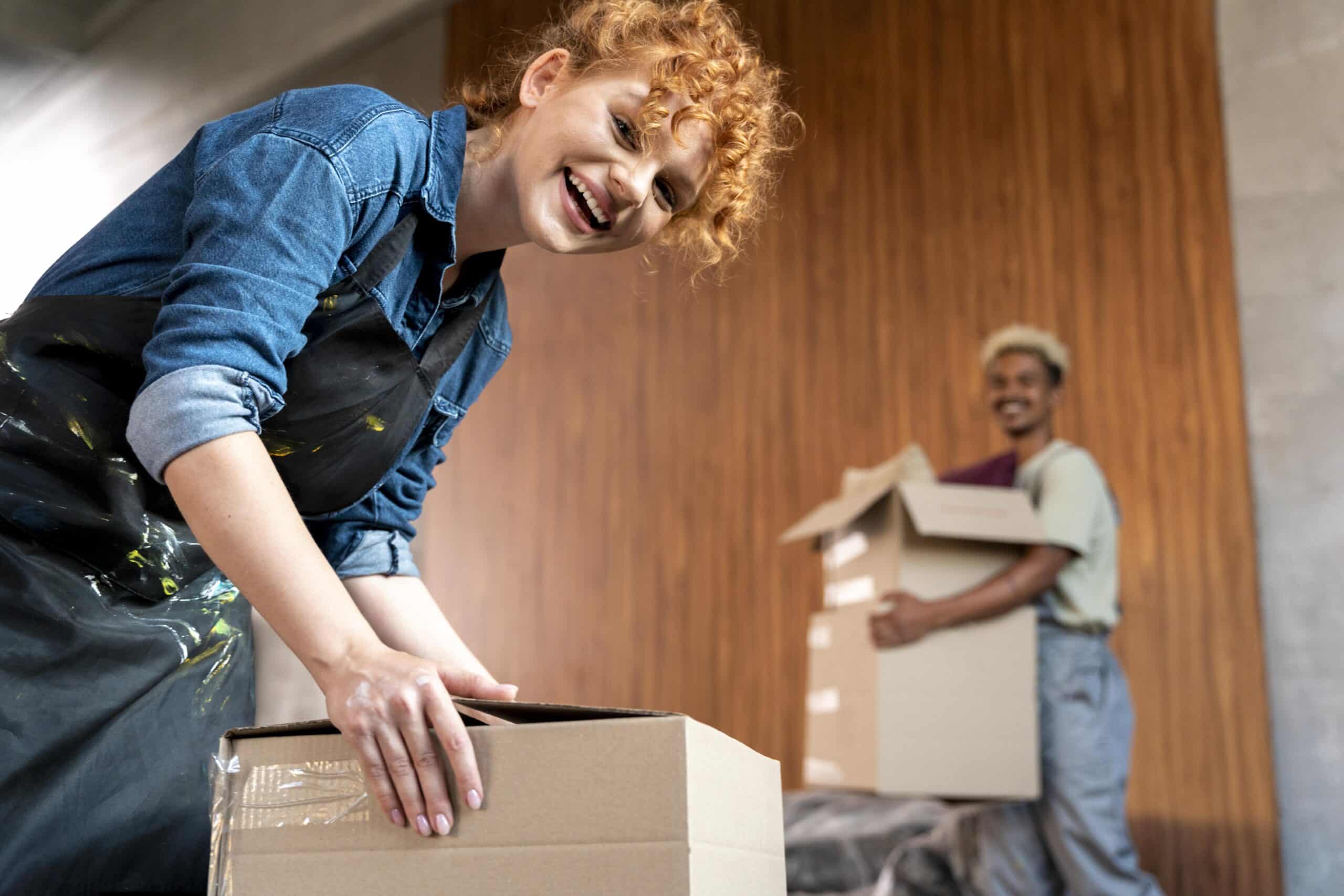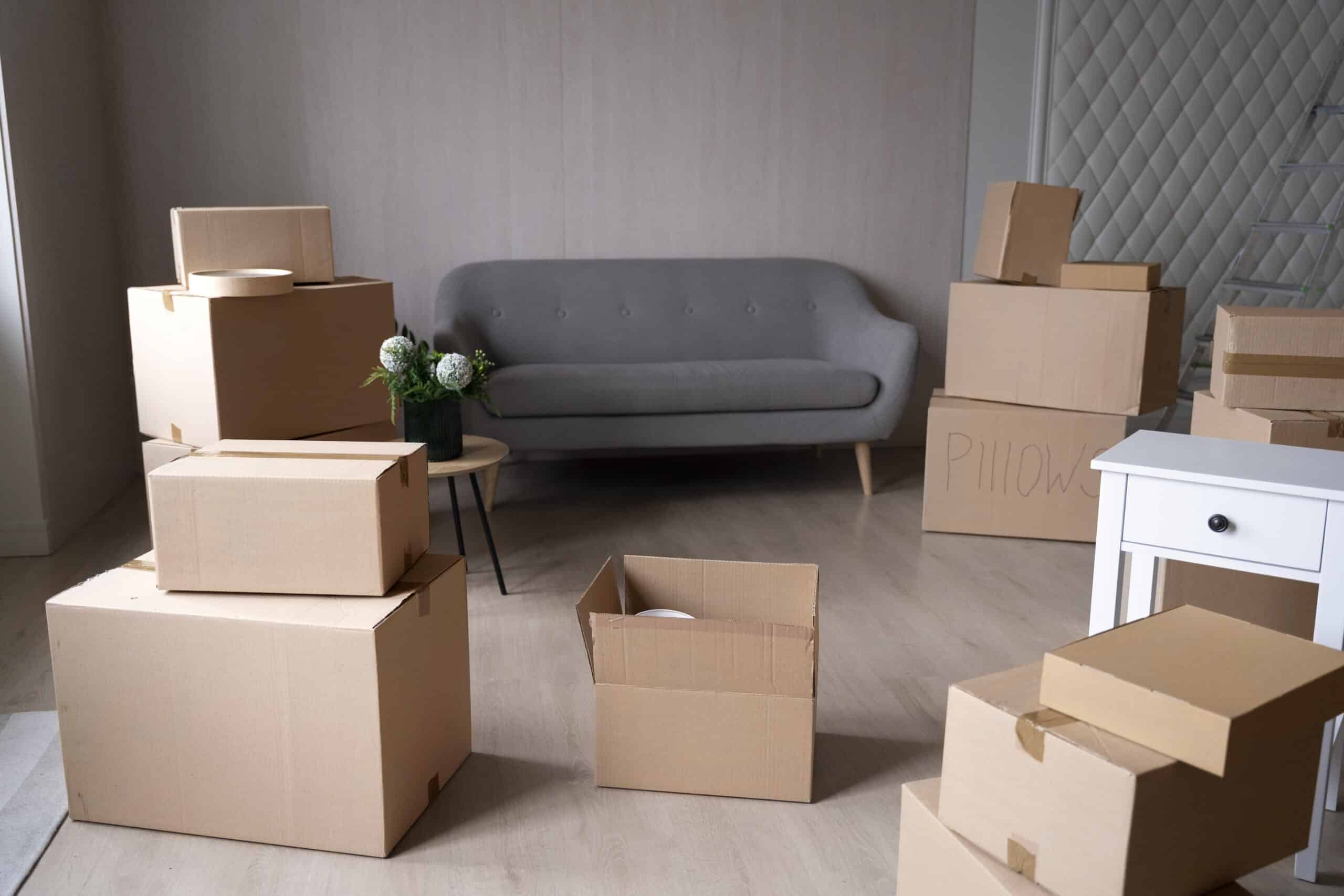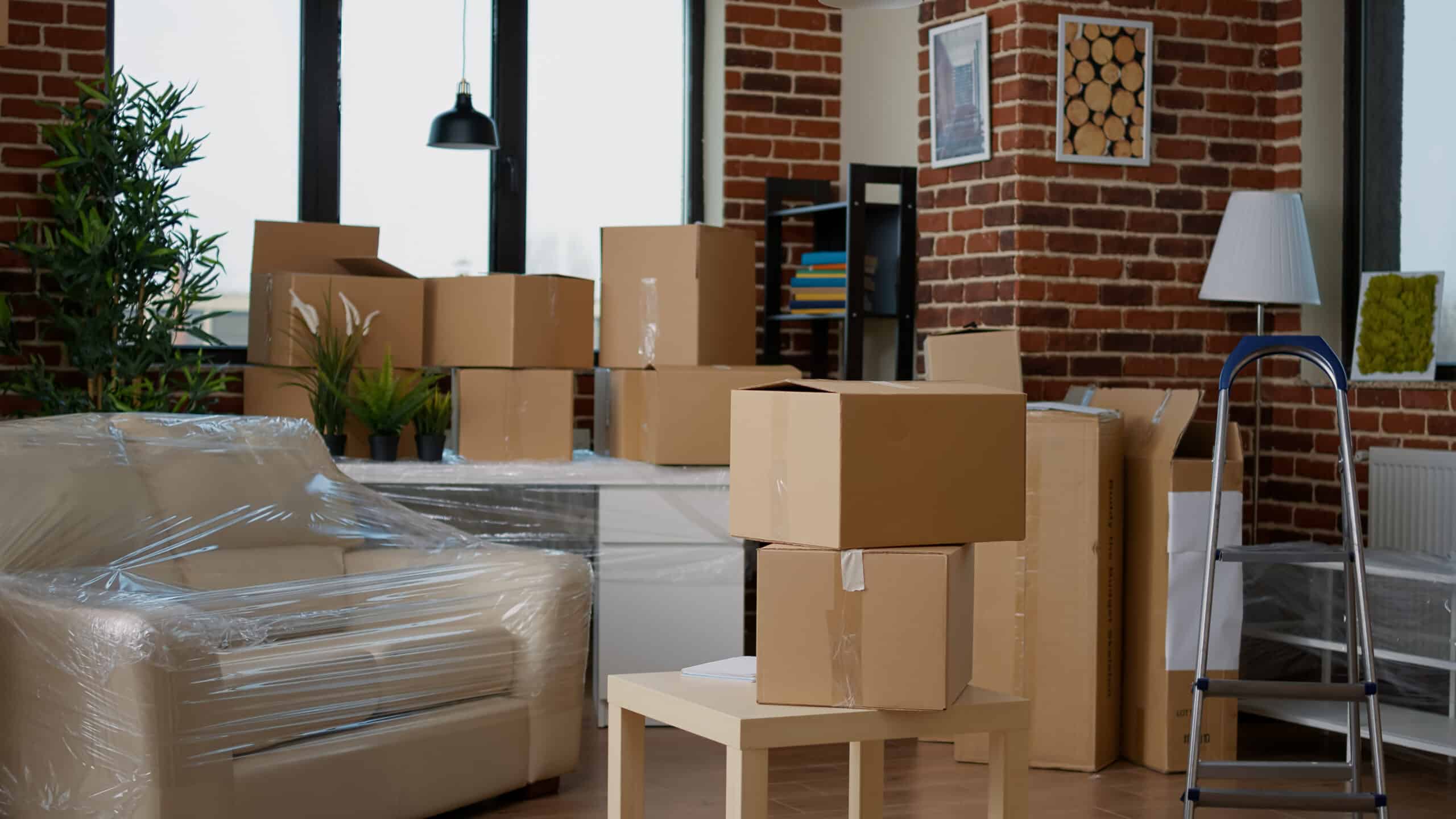
Moving to a new home can feel overwhelming, but it doesn’t have to be stressful. Professional movers and organizers have shared proven strategies that make the process much easier. This guide covers the key steps to organizing your move from start to finish. You’ll learn how to declutter, pack smart, label everything clearly, and settle into your new space quickly.


Decluttering Before Packing

Clean out your belongings before you start packing to make your move easier and cheaper. Sort your items into four groups: keep, donate, sell, and throw away. Be honest about what you need – if you haven’t used something in a year, it’s probably time to let it go. Think about your new home’s size and layout when deciding what to take. The fewer items you pack, the less time and money your move will cost. Use this chance to simplify your life by only bringing things that you truly value and enjoy.


Efficient Packing Strategies

Use these smart packing methods to make your move go smoothly and stay organized. Pack one room at a time so you know exactly what you have. Use different colored labels for each room to make unpacking easier at your new place. Put heavy items at the bottom of boxes and light items on top to avoid damage. Use your clothes and blankets as padding for breakable items instead of buying bubble wrap. Keep important items in a separate, clearly marked box for quick access when you arrive. Put small items in bags or containers to prevent them from getting lost. Always seal boxes well with strong tape to prevent items from falling out during the move.


Organized Labeling System

Set up a clear labeling system to find and sort your things easily during the move. Use colored labels or stickers to group items by room or type. Write important details on each box, like what’s inside, which room it goes to, and how to handle it. Try using numbers on boxes and keep a list that matches each number to what’s inside. Make a main list with details about all your labeled boxes so you can find specific items quickly when unpacking. Use a permanent marker and write clearly so labels stay visible. Put labels on several sides of each box so you can see them easily when boxes are stacked. Good labeling makes moving less stressful and unpacking much faster.


Smooth Unpacking Process

Make unpacking easier by starting with boxes marked for the most important rooms first. Begin with the kitchen, bedroom, and bathroom boxes since you need these areas right away. Unpack one box at a time and fully set up each room before moving to the next one. Keep essentials like toiletries, bedding, and kitchen items within easy reach. Put items directly where they belong to avoid mess and extra work later. Break down empty boxes as you go to prevent trips and keep your space neat. This step-by-step method helps you settle into your new home quickly without feeling overwhelmed.


Post-Move Organization Tips

After your move, focus on setting up key areas like the kitchen, bedroom, and bathroom first to make daily life easier. Start by unpacking kitchen basics like pots, utensils, and dishes so you can cook meals. Next, set up your bedroom with your bed, sheets, and important items within easy reach for good rest. In the bathroom, unpack toiletries, towels, and daily items you need each morning. Group similar items together and label storage areas for easy access later. As you unpack, get rid of or donate items you no longer use to keep your new home organized and clutter-free.


Other Related Articles:

Moving wine bottles safely requires careful planning and the right techniques, which local movers often recommend for protecting valuable collections. This guide walks you through the steps needed to pack wine bottles properly for your move. You’ll learn about choosing the right materials, securing bottles in boxes, labeling systems, and safe transport methods. Following these simple steps helps protect your wine collection during the moving process.


Choosing the Right Packing Materials

Pick strong cardboard boxes or special wine bottle boxes to keep your bottles safe during the move. Cardboard boxes should be thick and sturdy enough to hold the weight of multiple bottles. Make sure the boxes are clean and free from dirt or other materials. Special wine bottle boxes come with dividers that keep each bottle separate, which reduces the chance of breaking. These boxes give extra protection and stability while moving. Choose boxes that fit the bottles tightly to prevent movement. Strengthen the bottom of boxes with extra tape for better security. The right packing materials help protect your wine bottles and make sure they arrive safely at your new home.


Securing the Bottles Inside the Box

Make sure bottles are placed securely in the box to prevent moving and possible damage during transport. Start by putting a layer of packing material at the bottom of the box. Wrap each wine bottle individually with bubble wrap, covering the whole bottle. Place bottles tightly in the box with little room for movement. Fill empty spaces with packing material to add extra cushioning. Use dividers or cardboard pieces to create separate sections in the box, preventing bottles from colliding. After all bottles are secure, close the box and shake it gently to check for movement. If you hear shifting, add more packing material. This careful process keeps your wine safe during the move.


Labeling and Organizing for Easy Identification

When getting ready to move wine bottles, label and organize them carefully for easy identification during the whole process. Good labeling and organizing save you time and prevent confusion when unpacking your wine collection. Here are some important tips to help you with this step:

  • Label by Variety: Mark each bottle with the type of wine inside
  • Numbering System: Give each box a number and make a matching inventory list
  • Fragile Stickers: Put fragile stickers on boxes with delicate or aged wines
  • Storage Instructions: Write any special storage needs on labels to ensure proper conditions after moving


Padding and Insulating for Protection

Make sure you cushion each wine bottle well with proper padding materials to protect it during transport. Start by wrapping each bottle in protective material like bubble wrap or foam sleeves. The padding should be thick enough to absorb impacts during the moving process. Place wrapped bottles snugly in a strong box, making sure there’s no space for them to move around. Fill gaps with extra padding material like packing peanuts or crumpled paper to give more protection. Seal the box securely with packing tape and mark it as fragile. This careful approach to padding and protection helps prevent damage to your valuable wine bottles while moving.


Handling and Transporting With Care

Handle each box of wine bottles carefully throughout the moving process to reduce the risk of breaking or damage. When transporting wine bottles, every safety step matters. Here are some key tips for safe handling and transport:

  • Lift Boxes Properly: Always lift boxes from the bottom to support the weight evenly
  • Secure Boxes in the Vehicle: Use straps or place them in a stable position to prevent shifting during transport
  • Avoid Extreme Temperatures: Keep wine bottles away from very hot or cold areas to preserve their quality
  • Handle With Care: Be gentle when moving boxes to prevent sudden impacts that could cause them to break.


Other Related Articles:

Moving your bedding doesn’t have to be stressful or complicated. Leading movers in Edmonton recommend specific techniques to protect your linens during the move. This guide shows you simple ways to pack your bedding safely. You’ll learn about choosing the right materials, folding techniques, space-saving methods, and proper labeling. These tips help keep your sheets, blankets, and pillows clean and wrinkle-free until you reach your new home.


Choosing the Right Packing Materials

Picking the right packing supplies protects your bedding during the move. Get strong boxes in different sizes for your various bedding items. For delicate items like silk or linen sheets, use acid-free tissue paper to prevent color changes. Bubble wrap works well for items that need extra protection, like fancy pillows or thick comforters. Put smaller items like pillowcases in sealable plastic bags to keep them clean and organized. Use good packing tape to keep boxes closed tightly during transport. The right materials make packing easier and keep your bedding safe.


Folding and Organizing Your Bedding

Pack your bedding smart by folding and organizing each piece to save space in your boxes. Follow these simple steps to keep your bedding neat and compact:

  • Start with Clean Bedding: Wash and dry everything completely before folding to avoid bad smells during the move
  • Fold Neatly: Fold items the same way so they stack easily and fit better in boxes
  • Organize by Size and Type: Keep similar items together (sheets with sheets, blankets with blankets) to make unpacking faster and easier


Utilizing Vacuum Storage Bags

Vacuum storage bags help compress your bedding and save lots of space. These bags squeeze out air to make bulky items much smaller. Fold your bedding neatly and put it in the vacuum bag. Seal the bag tightly, then use a vacuum cleaner to suck out all the air. The bag will shrink down to a much smaller size. This saves space and keeps your bedding clean and dry. Buy good quality vacuum bags so they don’t tear or leak. These bags are perfect for comforters, blankets, and thick pillows that take up too much room in regular boxes.


Labeling and Securing Packed Linens

Good labeling and secure packing make moving day much easier. Here are three important tips:

  • Label Clearly: Write what’s inside each box with clear labels like “bedroom sheets,” “bathroom towels,” or “guest room linens.” This helps you find things quickly when unpacking
  • Secure with Packing Tape: Use strong tape to seal boxes tightly to prevent items from shifting or falling during the move. Put extra tape on the bottom and top of boxes
  • Stack Strategically: Put heavy items at the bottom and light ones on top to prevent crushing. Keep boxes light enough to lift safely.


Transporting Bedding Safely

Safe transport keeps your bedding in perfect condition. Pack folded bedding snugly in boxes to prevent movement during the trip. Seal boxes with strong tape to keep everything secure. When loading the moving truck, put bedding boxes on top of heavier items to avoid crushing. Try to keep bedding flat when possible to prevent wrinkles. Don’t overfill boxes, as this can cause them to break open. Handle boxes carefully when loading and unloading to avoid drops or damage. Proper transport means your linens arrive at your new home ready to use.


Other Related Articles:


Moving a hot tub safely requires careful planning and the use of proper equipment to prevent damage to your investment. An excellent moving crew can help ensure a successful move, but many homeowners choose to handle the move themselves with the help of friends and family. This guide walks you through each step of the moving process, from gathering supplies to reinstalling your hot tub in its new location. Following these steps helps protect your hot tub from damage and ensures it continues working properly after the move.

Gather Necessary Supplies

Before starting your hot tub move, collect all the necessary equipment to ensure a safe and smooth process. Heavy-duty straps are needed to secure the hot tub and prevent it from shifting during transport. Moving blankets protect the surface from scratches, dents, and other types of damage during the moving process. A sturdy dolly provides support, making moving easier without straining your back or damaging the tub. You’ll also need basic tools for disconnecting electrical and plumbing components. Consider renting or borrowing a furniture dolly if you don’t own one, as standard dollies may not be able to support the weight. Having these supplies ready before you start makes the entire process more organized and reduces the risk of accidents or damage to your hot tub.

Drain the Hot Tub

Start by completely draining all water from your hot tub. Locate the drain valve, typically situated near the bottom. Connect a garden hose to the valve and direct it so that the water can drain safely. Open the valve and let gravity work. Draining takes 30 minutes to several hours, depending on tub size. While water drains, prepare other supplies. After all the water has been drained, disconnect the hose and close the valve tightly. Check that no water remains, as any leftover water will add weight.

Disconnect and Prepare for Moving

Safety starts with properly disconnecting all power sources to your hot tub. Turn off power at the circuit breaker and unplug the unit from any electrical outlets. Ensure that all electrical components, such as heaters, pumps, and control systems, are completely disconnected. Remove the hot tub cover and store it safely to prevent damage. Walk around the tub and check for any loose parts, such as jets, fittings, cup holders, or decorative elements. Remove these items and pack them securely in boxes or bags to prevent them from getting lost. If your hot tub has removable side panels, take them off to reduce weight and prevent damage. Double-check that the drain plug is tightly closed to prevent any remaining water from leaking out during the move.

Enlist Help for Lifting and Transporting

Hot tubs are extremely heavy and require multiple strong people to move safely. Gather at least 4-6 helpers, depending on the size and weight of your tub. Before lifting, ensure that everyone understands the plan and knows their designated position. Identify the proper lifting points on your hot tub, which are usually reinforced areas designed to handle the weight. Use moving straps to distribute weight evenly and give everyone a secure grip. Consider using an appliance dolly or furniture slider to reduce the physical strain of lifting heavy objects. Communicate clearly during the move, with one person calling out directions to ensure everyone is on the same page. Move slowly and take breaks as needed. If the hot tub needs to go up or down stairs, consider hiring professionals, as this significantly increases the difficulty and risk of injury or damage.

Reinstall and Test the Hot Tub

Position the tub on a level, stable surface that can support its weight when filled with water—Reconnect electrical components following manufacturer instructions. Reattach the plumbing connections, ensuring the fittings are tight to prevent leaks. Replace panels or components you removed. Fill the tub slowly, checking for leaks around connections. Once full, restore power and test all functions, including jets, lights, and heating. Run through a complete cycle and monitor for unusual noises or problems. Only after confirming everything works should you begin regular use.


Other Related Articles:


Packing pillows properly during a move helps keep them clean, maintains their shape, and prevents damage during transport. Many people overlook the importance of packing soft goods correctly, but pillows require special attention to maintain their good condition. This guide covers the best methods for protecting your pillows during relocation, from choosing the right materials to organizing them efficiently. Following these simple steps will help your pillows arrive at your new home in the same condition they left your old one. A trusted moving team can help implement these techniques for the best results.

Choosing the Right Packaging Materials

Selecting appropriate packaging materials is the foundation of successful pillow packing. Use sturdy cardboard boxes or plastic bins that provide adequate space without squashing pillows unnecessarily. Containers should be clean and dry to prevent moisture damage. Medium to large-sized boxes work best for standard pillows. Bubble wrap provides excellent protection against bumps and impacts during transport. If unavailable, clean packing paper provides a reasonable level of cushioning. Consider placing pillows inside clean plastic bags before boxing for additional protection against dust and moisture. Large trash bags work well. Use high-quality packing tape to seal all edges securely.

Properly Folding and Rolling Pillows

Learning correct folding and rolling techniques saves space while maintaining the integrity of the pillow. Start by laying each pillow flat on a clean surface and smooth out wrinkles. For standard pillows, fold lengthwise down the middle to create a rectangular shape. Then, roll the pillow tightly from one end to the other, similar to rolling a sleeping bag. Maintain consistent pressure while rolling to create a compact bundle. This preserves the pillow’s natural loft and prevents creasing or damage to internal filling. Avoid folding pillows multiple times in different directions, as this can create weak points and damage the fabric. Memory foam and specialty pillows require gentle handling, as compression can alter their shape permanently.

Utilizing Vacuum Storage Bags

Vacuum storage bags offer excellent space-saving benefits when moving large quantities of pillows or working with limited truck space. These bags compress pillows by removing excess air, reducing volume by up to 75%. Before using vacuum bags, ensure pillows are completely clean and dry to prevent mold growth inside the sealed environment. Place pillows inside bags according to manufacturer specifications, being careful not to overfill. Connect a vacuum cleaner to the bag’s valve and extract air until the bag compresses tightly. Label each bag clearly with contents for easy identification during unpacking. Remember that vacuum compression isn’t suitable for all pillow types – check care labels first.

Securing Pillows in Moving Boxes

Properly packed boxes prevent pillows from shifting or becoming damaged during transport. Select boxes that are appropriately sized to accommodate pillows comfortably without forcing them to fit. Place a protective layer of packing paper or bubble wrap at the bottom for cushioning against impacts. Arrange pillows neatly inside boxes, ensuring they fit snugly without excessive compression that could damage the filling. Fill empty spaces with packing paper, towels, or soft materials to prevent movement during transit. Avoid overpacking boxes, as this can damage pillows and create boxes that are that are too heavy for safe lifting. Seal thoroughly with strong packing tape. Lifting. Seal all boxes thoroughly with strong packing tape.

Labeling and Organizing Packed Pillows

Effective labeling and organization streamline the unpacking process, making it easier to locate specific items quickly in your new home. Write clear, detailed labels on each box that describe the contents, such as “Main Bedroom Pillows” or “Decorative Throw Pillows.” Use waterproof markers to prevent label smudging during transport. Consider implementing a color-coding system using different colored labels or tape for each room, making it easier for movers to sort items. Group similar pillow types together, separating sleeping pillows from decorative ones and organizing them by room destination. Create a simple inventory list documenting which pillows are packed in each numbered box. Taking digital photos of packed boxes before sealing provides a visual reference for contents.


Other Related Articles:


Comprehensive movers understand that protecting your mattress during a move requires careful planning and the right materials. Moving a mattress can be tricky because it’s large, heavy, and easily damaged if not handled properly. This guide walks you through each step of packing your mattress safely, from choosing the right protective materials to loading it correctly in the moving truck. Following these steps helps ensure your mattress arrives at your new home in the same condition it left your old one.

Select the Right Packing Materials

Start with a specialized mattress bag or cover designed for moving – these are stronger than regular plastic bags and resist tears better. Look for water-resistant bags to protect against moisture during transport. You’ll need high-quality packing tape to seal the bag securely. For extra protection, consider mattress boxes or heavy-duty plastic wrap. Have markers ready for labeling – clearly mark which side is up and indicate the package contains a mattress. High-quality materials make a significant difference in keeping your mattress safe.

Clean and Prepare Your Mattress

Clean your mattress before packing to maintain its condition. Vacuum both sides thoroughly to remove dust, dirt, and debris. For stains, mix a mild detergent with water and gently spot-clean the affected areas. Don’t soak the mattress – use just enough moisture to clean it. Allow the mattress to air dry completely before packing, which typically takes several hours. To remove odors, sprinkle baking soda across the surface, let it sit for 2-3 hours, then vacuum it off. Address any pest issues before moving to prevent the spread of problems.

Wrap and Secure the Mattress

Lay your mattress bag flat on the floor with the opening facing up. Please have someone assist you in sliding the mattress into the cover to prevent it from touching the floor. Pull the cover tight to remove excess air and create a snug fit. Seal the opening completely with packing tape, making sure there are no gaps where dirt or moisture could enter. Run tape along all seams for extra security. If using plastic wrap, wrap it around the mattress multiple times, ensuring complete coverage of every surface.

Use Proper Lifting Techniques

Moving a mattress safely requires good lifting techniques to prevent injury and damage. Here’s how to lift correctly:

  1. Bend Your Knees: Always squat down and bend your knees rather than bending at the waist, keeping your feet shoulder-width apart for stability.
  2. Use Your Legs: Let your powerful leg muscles do the work instead of straining your back. Stand up using your legs while keeping your back straight.
  3. Keep it Close: Hold the mattress as close to your body as possible to reduce strain on your arms and maintain better control.
  4. Teamwork: Get help from another person whenever possible – mattresses are awkward to handle alone, and having assistance makes the process much safer.

Load and Transport Safely

Loading your mattress correctly in the moving vehicle prevents damage during transport. Place the mattress flat against the truck, rather than standing it up, as this distributes weight better and reduces the risk of bending or folding. Use strong ropes to secure the mattress firmly to the truck wall, preventing it from sliding around during the trip. Position heavier items, such as furniture or boxes, around the mattress to provide additional support and prevent shifting. Make sure nothing sharp is pressing against the mattress that could puncture the protective covering. During the drive, take turns slowly and avoid sudden stops or quick accelerations that could cause the mattress to move. Drive carefully and check the load periodically during long trips to ensure everything stays secure.


Other Related Articles:


Packing silverware for a move requires special care to prevent damage and ensure your valuable utensils arrive safely at your new home. The best-moving team professionals recommend taking extra care with these delicate items, as they can easily scratch, bend, or tarnish if not properly protected. This guide walks you through the step-by-step process of safely packing your silverware, from organizing your collection to choosing the right materials and techniques. Following these simple methods will help keep your forks, knives, spoons, and serving pieces in perfect condition during the move.

Organize Your Silverware Inventory

Start by sorting your silverware into different groups before packing—separate items into categories like forks, knives, spoons, and serving pieces. Count the number of pieces in each category and inspect their condition. Look for damaged, tarnished, or loose items that need extra protection. This helps you determine how much packing material you’ll need and how much space to allocate. Take photos of valuable pieces for insurance purposes. Consider packing expensive silver sets separately from everyday stainless steel utensils. Having everything organized makes the process faster and ensures you don’t forget any pieces.

Gather Necessary Packing Supplies

Collect all packing materials before you start wrapping your silverware. Get several sturdy boxes in different sizes – small boxes work best since they won’t become too heavy. You’ll need plenty of bubble wrap or soft packing paper to wrap each piece individually. Use high-quality packing tape to seal boxes securely. Consider plastic organizer trays or dividers to keep pieces separate. Use permanent markers and labels to mark the contents of each box. Keep scissors handy for cutting materials. Anti-tarnish strips can help protect real silver during moving. For valuable silverware, consider special storage boxes designed for precious metals.

Wrap Each Piece Individually

Take time to wrap every single piece of silverware separately to prevent scratches and damage. Start by laying out a sheet of bubble wrap or soft packing paper on a clean, flat surface. Place one utensil in the center of the wrapping material. Fold one side of the wrap over the silverware, making sure the entire piece is covered. Then, fold the other side over and secure it with a small piece of tape if needed. Pay extra attention to pieces with decorative handles or intricate designs, as these areas are more susceptible to damage. For knives, wrap the blade carefully and consider using extra padding around sharp edges to prevent injury. Stack wrapped pieces of the same type together, but don’t make the bundles too thick or heavy. This individual wrapping method takes more time but provides the best protection for your silverware.

Choose the Right Packing Method

Select your packing approach based on the delicacy and value of your silverware. For everyday stainless steel pieces, you can wrap 3-4 similar items together. For expensive or antique silver, wrap each item individually and use cloth between pieces for extra softness. Compartmentalized organizers work well for keeping different utensils separate. If using a silverware chest, make sure it’s well-padded and won’t shift during the move. For large serving pieces, wrap them individually and pack them in separate boxes with plenty of padding—select boxes that are appropriately sized to prevent shifting but not too small.

Secure and Label Packed Silverware

Ensure your packed silverware is properly secured and clearly labeled for easy unpacking at your new home. Here are three important steps to follow:

  1. Wrap Each Piece Individually: Use soft packing paper or bubble wrap to cover each piece of silverware individually. This prevents scratches and keeps pieces from getting tangled together during the move.
  2. Use Secure Containers: Put the wrapped silverware in strong boxes or plastic organizers with tight-fitting lids to keep everything safe and organized during transport.
  3. Label Clearly: Mark each container with specific descriptions, such as “kitchen forks,” “serving spoons,” or “antique silver set,” so you can quickly find what you need when unpacking. Include “FRAGILE” labels on boxes containing valuable pieces.

This clear labeling system will make setting up your new kitchen much easier and help you locate specific pieces quickly and easily.


Other Related Articles:


Moving to another state involves many decisions, and shipping your belongings safely and affordably is one of the most important ones. Understanding your options for interstate shipping helps you make informed choices about cost, timing, and protection for your items. Working with a
leading moving company can simplify the process and provide you with peace of mind that your possessions will arrive safely. This guide outlines the essential steps for shipping your belongings across state lines, from selecting the appropriate method to ensuring they arrive at your new home in good condition.

Choosing the Right Shipping Method

Selecting the right shipping method depends on your budget, timeline, and the types of items you need to move. Start by researching different shipping companies and comparing their services, prices, and customer reviews. Look for companies that specialize in interstate moves and have experience handling household goods. Consider whether you need expedited shipping for items you’ll need right away or if you can save money with slower, consolidated shipping services. Different transportation options include ground shipping (the most common and affordable), air freight (the fastest but most expensive), and freight shipping (suitable for large or heavy items). Ensure the company offers tracking services, enabling you to monitor the progress of your shipment. Ask about insurance options to protect valuable items during transit.

Packing Your Items Safely

Good packing protects your belongings during long-distance moves. Use high-quality boxes in various sizes for different items. Wrap fragile items, such as dishes and electronics, in bubble wrap or packing paper with ample cushioning. Put heavy items at the bottom and light items on top to prevent crushing. Fill empty spaces with packing peanuts or towels to stop items from moving. Use strong tape to seal boxes securely and reinforce bottom seams. Please take photos of valuable items before packing them for insurance purposes. Pack a “first-day” box with immediate essentials.

Labeling and Organizing Boxes

Good labeling makes unpacking easier and prevents lost items from being misplaced. Write clearly on each box what’s inside and which room it goes to. Use numbers and maintain a master list detailing the contents of each box. Use color-coded labels for different rooms – blue for the kitchen and red for the bedroom—Mark fragile boxes with “FRAGILE” stickers and arrows indicating the correct orientation. Put your contact info on boxes in case they get separated. Pack heavy items in smaller boxes for easier carrying and group similar items together.

Researching State-Specific Regulations

Different states have different shipping rules, so be sure to research them before packing. Check your destination state’s website for restrictions on household items, plants, firearms, or hazardous materials. Some states prohibit the cultivation of certain plants or foods to prevent the spread of pests. Hazardous materials, such as paint, propane, and batteries, often can’t be shipped with household goods. If moving a vehicle, check if your state requires inspections or special permits. Contact your shipping company for guidance on restricted items and alternatives.

Handling Delivery and Tracking

Good communication with your shipping company ensures a smooth delivery process. Confirm the expected delivery date and time window, and make sure someone will be available to receive your items. Provide detailed delivery instructions, including any access codes, special directions, or preferences for where boxes should be placed. Obtain the tracking number for your shipment and check it regularly to stay informed about its progress. Most companies provide online tracking or phone updates. If there are any delays or problems, contact the shipping company immediately. Prepare your new home for delivery by clearing pathways and designating areas for different types of boxes. Have a plan in place to check items off your inventory list as they arrive and note any damage immediately. Keep all shipping paperwork until you’re sure everything has arrived safely.


Other Related Articles:


Moving fragile dinnerware presents one of the greatest challenges in household relocations, as improper packing techniques can result in significant financial losses and sentimental damage. The complexity of protecting dishes, glassware, and ceramics often drives homeowners to seek top-rated moving services that specialize in handling delicate household items with professional care. These fragile pieces require specialized protection methods that go beyond standard packing approaches used for other household belongings. Understanding proper dish protection techniques becomes valuable whether you decide to handle the packing independently or work with professional movers who can provide expert guidance. This comprehensive guide covers everything from selecting appropriate materials to unpacking procedures that protect your fragile items throughout the moving process.

Essential Packing Supplies

Successful dish protection begins with gathering appropriate materials designed specifically for fragile item transport. Quality supplies provide the foundation for damage prevention throughout the moving process.

Sturdy cardboard boxes in various sizes accommodate different dish types and quantities while providing structural protection during handling. Choose boxes specifically designed for dish storage when available, as these feature built-in dividers and reinforced construction.

Packing paper serves as the primary protective material for wrapping individual dishes and filling boxes. Use clean newsprint or specialized packing paper rather than printed newspaper, which can transfer ink to light-colored dishes.

Bubble wrap offers superior cushioning for extremely delicate items, such as fine china, crystal glassware, or antique pieces. The air-filled protection absorbs impacts that could crack or chip valuable dinnerware.

Foam peanuts or similar void-fill materials prevent movement within boxes by filling empty spaces around packed dishes. This prevents shifting that could cause items to collide during transport.

Packing tape designed for moving provides reliable box closure that won’t fail under the stress of handling and temperature changes. Select tape with strong adhesive properties and a suitable width for reinforcing the box.

Dish dividers or cardboard separators create individual compartments that prevent direct contact between items, allowing for easy separation and organization. These can be purchased or created from cardboard sheets cut to fit your boxes.

Proper Wrapping Techniques

Individual dish protection requires systematic wrapping that addresses each item’s specific vulnerabilities while maintaining efficient packing speed.

  1. Use Cushioning Materials: Create protective foundations by placing generous layers of packing paper or bubble wrap at the bottom of the box.
  2. Individually Wrap Each Piece: Cover each dish separately with packing paper or bubble wrap, paying special attention to the corners and edges where chips are most likely to occur.
  3. Add Dividers: Place cardboard separators between wrapped dishes to prevent contact that could cause damage during transport.
  4. Secure with Tape: Fasten wrapping materials with tape to maintain protection layers and prevent unwrapping during handling.

The wrapping technique varies based on dish type and material. Plates benefit from face-to-face stacking with padding between each piece. Bowls, on the other hand, should be wrapped individually and nested carefully.

Glassware requires extra attention to its stems, handles, and thin edges, which can break easily. Use bubble wrap for these delicate areas while filling hollow spaces with crumpled paper for internal support.

China and ceramic pieces need gentle handling during wrapping to prevent stress fractures. Work on padded surfaces and avoid pressing too hard when securing protective materials.

Organizing Packing Boxes

Strategic box organization maximizes protection while maintaining manageable weight limits for safe handling. Proper arrangement prevents damage from shifting or crushing during transport.

Weight distribution begins by placing the heaviest items at the bottom of the boxes to create a stable foundation. This prevents the crushing of lighter items while maintaining the balance of the box during carrying.

Vertical stacking works well for plates when they’re properly wrapped and supported—position plates like records in a rack rather than stacking them horizontally to reduce pressure on lower items.

Similar item grouping simplifies unpacking while allowing for category-specific protection methods—pack plates, glasses, and serving pieces together for an organized unpacking process.

Box size selection affects both protection and convenience during handling. Medium-sized boxes typically provide the best balance between capacity and manageable Weight for fragile items.

Layer separation using additional packing paper between different dish types prevents contact that could cause damage. This technique works particularly well when mixing different materials in single boxes.

Space utilization should strike a balance between protection and efficiency, avoiding both overpacking, which increases pressure, and underpacking, which allows movement to be hindered.

Loading and Securing Boxes

Final preparation before transport involves properly sealing and labeling boxes to protect the contents, as well as communicating handling requirements to the movers.

  1. Distribute Weight Evenly: Balance heavy items throughout the box rather than concentrating them in one area to prevent crushing and maintain stable handling.
  2. Fill Empty Spaces: Use packing paper, bubble wrap, or foam peanuts to eliminate voids that allow movement during transport.
  3. Secure Lids Properly: Apply high-quality packing tape in multiple directions to prevent accidental opening during handling and transportation.
  4. Label Fragile: Clearly mark boxes with “FRAGILE” and “THIS SIDE UP” labels to communicate special handling requirements.

Box reinforcement may be necessary for heavy loads or when using older boxes. Add extra tape to bottom seams and corners where stress concentrates during lifting.

Handle testing involves gently shaking packed boxes to detect any internal movement that could indicate insufficient padding or loose items requiring additional securing.

Weight management keeps individual boxes within safe lifting limits, typically 30-40 pounds maximum for boxes containing fragile items.

Unpacking and Inspecting Dishes

Careful unpacking procedures help identify any damage while organizing items for efficient storage in your new home. Take time during this process to prevent additional damage from rushed handling.

Damage assessment begins immediately upon opening each box, looking for obvious breaks or chips before removing items. Document any damage with photos for insurance purposes.

Systematic removal involves taking items out one at a time rather than dumping the contents of the box, which could cause additional damage to previously protected items.

Organization by type during unpacking simplifies storage decisions and helps identify missing pieces from sets. Group similar items together as you remove them from boxes.

Material inspection includes checking packing materials for signs of damage that could indicate rough handling during transport. Blood on paper or dented bubble wrap suggests impact damage.

Cleaning preparation involves washing all dishes before storage, as packing materials can leave residue, and dishes may have collected dust during the moving process.

Storage planning takes into account your new kitchen layout and accessibility needs when determining where to place different types of dinnerware in cabinets and drawers.


Other Related Articles:


Proper footwear protection during relocation requires specialized packing techniques that address the unique challenges posed by different types of shoes and their respective materials. Many people underestimate the complexity of packing shoes correctly, which can lead to damage from crushing, scuffing, or moisture exposure during transport. Whether working with experienced movers or handling the packing yourself, understanding proper shoe protection methods helps maintain your footwear investment and prevents costly replacements. This comprehensive guide covers everything from selecting appropriate packing materials to organizing techniques that maximize space while minimizing damage risks. Following these proven strategies helps maintain shoe shape, prevents scuffing, and provides the foundation for organized unpacking at your destination.

Shoe Packing Supplies Needed

Selecting appropriate packing materials forms the foundation of successful shoe protection during moves. Sturdy cardboard boxes provide the structural support needed to prevent crushing while maintaining adequate ventilation for stored footwear.

Packing paper serves multiple purposes, including maintaining shape, protecting surfaces, and absorbing moisture. Choose acid-free paper when packing leather or suede shoes to prevent chemical reactions that could damage expensive materials.

Bubble wrap provides superior cushioning for delicate or valuable footwear, such as dress shoes, boots, or designer pieces. The air-filled protection prevents impacts while allowing some flexibility during transport.

Plastic shoe bags protect against moisture and dust while keeping paired shoes together during packing and unpacking processes. Clear bags allow easy identification without opening containers.

Strong packing tape effectively secures boxes while providing a reliable closure that won’t fail during handling. Choose tape designed for moving rather than standard household tape for improved adhesion.

Tissue paper provides gentle protection for delicate materials and helps maintain the shape of flexible shoes, such as ballet flats or canvas sneakers.

Shoe trees or newspaper stuffing maintain the proper shape during storage and transport, preventing creasing and structural damage that can affect fit and appearance.


Sorting and Decluttering Shoes

Pre-move evaluation helps reduce transportation costs while eliminating footwear that no longer serves your needs. This process also simplifies packing and unpacking at your destination.

  • Sentimental Value: Identify shoes with special memories or significance that warrant keeping despite limited current use
  • Fit and Comfort: Prioritize footwear that fits properly and provides adequate comfort for regular wear activities
  • Style and Versatility: Keep shoes that match your current lifestyle and can serve multiple wardrobe functions
  • Condition: Assess wear patterns, structural integrity, and repair needs to determine if shoes are worth moving
  • Duplicates: Eliminate redundant footwear that serves the same function to reduce unnecessary volume

Donation options for gently used shoes include local charities, shelters, and specialized organizations that distribute footwear to those in need. This approach provides community benefits while reducing moving costs.

Disposal methods for worn-out shoes include recycling programs that repurpose materials and standard trash for items beyond salvage. Check local recycling options before discarding.


Packing Techniques for Different Shoe Types

Different footwear categories require specific protection methods based on their construction, materials, and vulnerability to damage. Understanding these differences prevents problems during transport.

Boot packing begins with stuffing using socks, newspaper, or boot trees to maintain their tall structure and prevent folding or creasing. Wrap boots individually in packing paper or place them in dust bags before packing them in boxes.

Sneaker packing maximizes space efficiency by arranging them heel-to-toe in alternating directions. Fill sneakers with small items, such as socks or underwear, to maintain their shape while utilizing the internal space.

Sandal protection focuses on preventing strap damage and maintaining sole shape. Pack sandals flat when possible, using tissue paper between layers to prevent scratching of decorative elements.

Heel protection requires special attention to prevent breaking or damage to delicate stiletto points. Use wine boxes with dividers or create individual compartments to keep heels upright and separated.

Dress shoe care includes proper stuffing to maintain shape and individual wrapping to prevent scuffing of polished surfaces. Consider using original shoe boxes when available for premium protection.

Athletic shoe packing can include removing and packing laces separately to prevent tangling and make more efficient use of space within each shoe.


Utilizing Space Efficiently in Boxes

Strategic packing maximizes box capacity while maintaining adequate protection for all footwear. Proper space utilization reduces the number of boxes needed and lowers moving costs.

  • Stuff shoes with small items like socks, underwear, or accessories to maximize internal space utilization
  • Nest shoes together by alternating direction and interlocking soles to create compact arrangements
  • Utilize gaps between larger shoes by inserting smaller footwear like flip-flops or children’s shoes
  • Place smaller shoes inside larger ones when size differences allow without causing stretching or damage
  • Use shoe bags or plastic wrap to keep pairs together while preventing scuffing during box filling

Weight distribution becomes important when packing multiple shoes into a single box. Place heavier boots and dress shoes at the bottom with lighter sneakers and sandals on top.

Box size selection affects protection levels and handling convenience. Medium-sized boxes typically provide the best balance between capacity and manageable weight for shoe storage.

Layering techniques, such as packing paper or bubble wrap between shoe layers, prevent contact damage while maintaining efficient space usage throughout the box.


Labeling and Organizing Packed Shoes

Clear identification systems simplify unpacking and help locate specific shoes quickly when needed. Detailed labeling prevents unnecessary box opening and reduces unpacking time.

Content labeling should include general categories, such as “Women’s Dress Shoes” or “Athletic Footwear,” rather than listing every individual pair. This approach provides adequate information without excessive detail.

Room designation labels indicate where boxes should be placed in your new home, streamlining the moving process and preventing misplaced items. Use clear, large text for easy reading.

Priority marking helps identify boxes containing frequently needed shoes versus those for seasonal or special occasions. This system guides unpacking orders based on immediate needs.

Inventory lists attached to box exteriors provide detailed contents for insurance purposes and help track valuable footwear during the moving process.

Color-coding systems, which utilize different-colored tape or labels, can help organize shoes by family member, season, or type, providing additional organizational benefits.

Fragile markings alert handlers to boxes containing delicate or expensive footwear that require gentle handling throughout the moving process.

Photographic documentation of valuable items before packing provides insurance evidence and helps identify specific items during the unpacking phase.


Other Related Articles: