
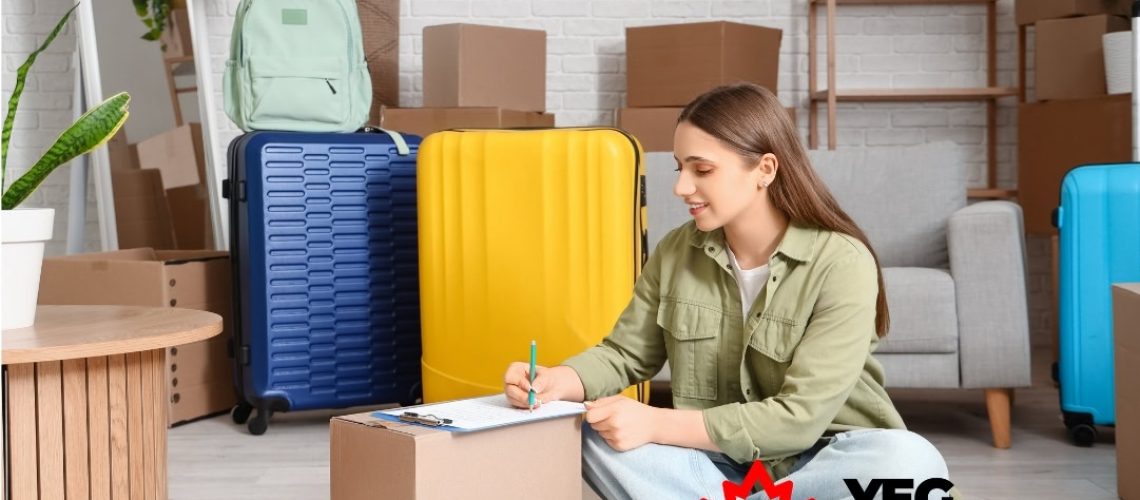

The biggest headache for many people when it comes to moving is packing. Many are concerned with forgetting something, breaking their breakables, or finding out after the fact that it took way longer than expected to pack everything up!
In this guide, we walk you through a simple check list to keep you organized from the first box to your last moving day. We also give you an overview of how the typical moving process works, the factors that affect the price of your move, and a few ways to avoid the most common mistakes made by many people while moving around Edmonton.
Common Challenges When Moving in Edmonton
Moving in Edmonton comes with its own set of practical challenges. Being aware of them early can help you prepare better and avoid last-minute stress.
Local moves often involve factors that people don’t always anticipate until moving day arrives.
Weather and Seasonal Conditions
Edmonton’s weather can shift quickly, especially during winter and early spring. Snow, icy sidewalks, and colder temperatures can slow down loading times and make careful packing even more important.
Protecting furniture, electronics, and fragile items becomes essential when moving during colder months.
Condo and Apartment Rules
Many apartment buildings and condominiums require advance booking for elevators or loading areas. Some buildings also restrict moving hours or require proof of insurance.
Checking these policies ahead of time prevents delays and helps keep the move running smoothly.
Timing and Availability
Peak moving periods typically happen near the end of the month and during summer. Planning early helps avoid limited truck availability or rushed packing.
Organizing your packing schedule several weeks ahead can make the entire process easier.
How the Moving Process Works
Understanding the moving process step by step can remove much of the uncertainty people feel before relocating. A structured approach keeps things predictable and manageable. Following a structured moving preparation guide can make the entire process easier to manage.
Step 1: Planning and Inventory
Before packing begins, create a simple inventory of everything you plan to move.
This step helps you:
- Estimate how many boxes and packing materials you’ll need
- Identify fragile or specialty items that require extra protection
- Decide which items can be donated, sold, or discarded before packing begins
Decluttering at this stage reduces both packing time and transportation costs.
Step 2: Gathering Packing Supplies
Using the right materials helps prevent damage and keeps items organized during transport.
Basic packing supplies typically include:
- Strong cardboard boxes in multiple sizes
- Packing paper or bubble wrap for fragile items
- Heavy-duty tape and markers for labeling
- Protective blankets for furniture
Having these supplies ready before packing starts prevents delays later.
Step 3: Room-by-Room Packing
Packing one room at a time keeps things manageable and helps prevent items from getting mixed up. Learning how to pack fragile items safely can reduce the risk of damage during transport.
A practical moving packing checklist Edmonton residents often follow includes:
- Labeling each box with its destination room
- Keeping essential daily items separate
- Wrapping fragile items individually
This method makes unpacking easier once you arrive at your new home.
Step 4: Moving Day Coordination
On moving day, organization matters more than speed.
Items are typically loaded in a structured order:
- Large furniture first
- Medium boxes stacked securely
- Fragile items placed last for protection
This process helps protect belongings and keeps the truck balanced during transport.
For people comparing movers Edmonton, seeing how structured the process is often helps them understand the value of experienced coordination.
Understanding Costs and What Affects Pricing
Moving costs can vary depending on several practical factors. Knowing what influences pricing helps you plan realistically and avoid surprises.
Transparency around these details is important so you know exactly what to expect. The Government of Alberta provides information about consumer protection for moving services and service contracts.
Distance and Travel Time
The distance between locations plays a major role in determining transportation costs.
Longer distances mean more fuel, travel time, and logistical planning.
Volume of Items
The more belongings you move, the more packing materials, labor time, and truck space are required.
Downsizing or decluttering beforehand can often reduce overall costs.
Access and Property Layout
Stairs, narrow hallways, or limited parking can increase the complexity of loading and unloading.
Buildings with elevators or reserved loading zones can make the process faster and safer.
Packing Mistakes Office Movers Help Prevent
Packing mistakes are common, especially when people try to complete everything in a short amount of time. Learning what to avoid can save both time and frustration.
Waiting Too Long to Start Packing
One of the most common mistakes is underestimating how long packing takes.
Starting early allows you to pack gradually and reduces last-minute stress.
Overloading Boxes
Boxes that are too heavy can break during lifting or transport.
It’s better to distribute weight evenly and keep boxes manageable. Following proper safe lifting guidelines can help reduce the risk of injury while moving heavy items.
Forgetting Essential Items
Many people accidentally pack items they’ll need immediately after arriving.
A small essentials box should include:
- Phone chargers
- Basic toiletries
- Important documents
- A change of clothes
Keeping these items accessible can make the first day in your new home much easier.
Packing Tips for Homes and Offices
Packing requirements can differ depending on whether you’re moving a household or a workplace.
For businesses working with office movers, packing usually involves protecting equipment, labeling workstations, and organizing documents carefully. Using an office moving packing checklist helps ensure important items like computers, files, and office supplies are packed systematically to reduce downtime after relocation.
Homes, on the other hand, often involve more personal belongings and fragile items that require careful wrapping and labeling.
Adapting Workplaces for Safety
Office moves require careful preparation to keep both equipment and people safe during packing and loading. Workspaces often contain cables, electronics, and shared equipment that need to be organized properly before the move begins.
Simple steps can make the process smoother:
- Secure cables and cords to prevent tangling and make reconnection easier later.
- Protect electronics like computers and monitors with proper wrapping or padded boxes.
- Label workstations clearly so equipment returns to the correct desk or department.
- Keep walkways clear to prevent trip hazards during packing and loading.
- Organize desks and shared equipment so everything is easy to unpack and set up.
Preparing workspaces this way helps maintain safety while making it easier for teams to resume work quickly after the move.
Pros and Cons of Packing Yourself
Packing your own belongings gives you control over how items are organized, but it also requires time and careful planning.
Pros
- Full control over how items are packed
- Potential cost savings on labor
- Flexibility to pack gradually
Cons
- Requires significant time and effort
- Higher risk of packing mistakes
- Fragile items may not be protected properly
Balancing these factors can help you decide what approach works best for your situation.
Who This Checklist Is Best For
A structured packing checklist can help many types of movers, including:
- Families preparing for residential relocations
- Professionals relocating for work
- Students moving between apartments
- Businesses planning office transitions
Anyone who values organization and preparation can benefit from following a clear packing plan.
Frequently Asked Questions
How early should I start packing before moving?
Most people benefit from starting at least three to four weeks before moving day, beginning with items that are rarely used.
What items should be packed last?
Daily essentials, cleaning supplies, and important documents should be packed last so they remain accessible.
Are professional packing services worth it?
For larger homes or tight timelines, professional packing support can save time and reduce the risk of damage.
What packing supplies are most important?
Strong boxes, protective wrapping materials, packing tape, and clear labels are essential for keeping items organized and protected.
How do I keep track of packed boxes?
Creating a numbered inventory list can help you track what’s inside each box and where it belongs.
Moving Starts with Good Preparation
A well-planned move rarely happens by accident. Preparation, clear communication, and a structured approach can make the entire process feel far less stressful.
At YEG Edmonton Movers, we focus on helping people move with confidence and clarity. Instead of rushing the process, we guide each step so the transition feels organized and manageable.
Our Moving Services
- Local residential moving
- Long-distance relocation across Alberta
- Apartment and condo moving
- Commercial and office moving
- Packing and unpacking assistance
- Senior Moving Services
- Secure short-term and long-term storage
Areas We Serve
We proudly serve Edmonton, St. Albert, Leduc, Beaumont, Sherwood Park, Spruce Grove, Stony Plain, and surrounding communities.
If you’re planning a move soon and want to start with a clear plan, we’re always happy to help. Call +1 587-442-3322 today to request your FREE quote, and let’s make your move feel organized from the very first box.