
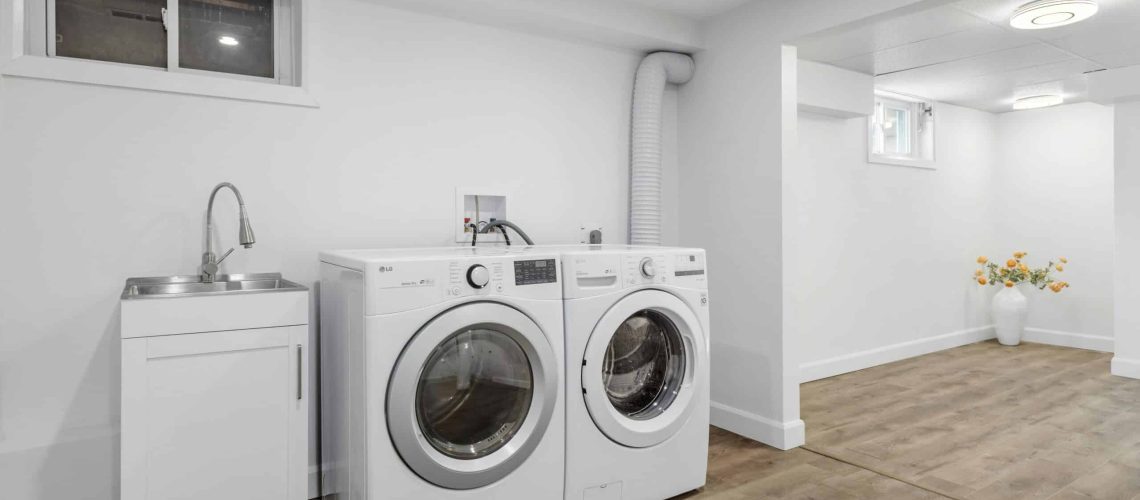

Moving a washer and dryer sits high on the list of frustrating household tasks. These appliances are heavy, awkward to maneuver, and packed with connections that need careful handling. Whether you’re managing the move on your own or coordinating with a Moving company Edmonton, understanding the correct steps can help you avoid damaged appliances, water leaks, or unnecessary physical strain.
This guide walks you through the full process, from safety prep to getting your machines fully operational in their new space. You’ll learn proper disconnection methods, how to prepare appliances for transport, safe loading techniques, reinstallation basics, and the final checks that ensure everything is working before laundry day begins.
Safety Precautions
Start by unplugging both machines from their outlets – sounds obvious, but you’d be surprised how many people forget this step. Find the water supply valves behind your washer and twist them off to avoid any surprise leaks mid-move. If you’ve got a gas dryer, locate that gas supply valve and shut it down before touching anything else. Take a good look at your path from the laundry area to wherever you’re loading these things.
Move furniture, rugs, or anything that could trip you up or get in the way. When it’s time to lift, bend at your knees and keep your back straight – throwing out your back over a dryer is not a fun story to tell. Toss on some work gloves to protect your hands from sharp edges and give yourself a better grip. These basic safety moves will keep you and your appliances in one piece.
Disconnecting the Appliances
Pull both plugs from their power sources before doing anything else. Those water supply valves behind the washer need to be completely turned off – righty tighty until they won’t turn anymore. Gas dryer owners need to shut off the gas valve before disconnecting anything on that end. Grab your vent hose at the back of the dryer and unscrew it, then move to your washer hoses and detach them from the water lines. Electric dryer? Just unplug the chunky power cord from the wall outlet. Once everything’s loose, use some tape or zip ties to bundle up those cords and hoses, so they’re not dangling around, causing problems. A tangled mess of hoses can trip you up or get damaged when you’re trying to maneuver through doorways. Taking these steps in order prevents scrambling later when you’re in a rush.
Preparing for Transport
Make sure all doors, lids, and moving parts are closed and won’t pop open during the move. Nobody wants a washer door swinging open and smacking against a wall. Grab those electrical cords and hoses you bundled earlier and secure them to the appliance itself with tape so nothing’s hanging loose. Wrap both machines in moving blankets or thick padding – appliances scratch and dent way easier than you’d think, and dings from banging into doorframes aren’t covered by any warranty.
Check that both machines are sitting level before you start rolling them around, since an unbalanced load can shift and cause damage in transit. Open up both appliances and pull out anything inside – lint traps, forgotten socks, detergent bottles – because loose items will rattle around and potentially break internal components. Taking fifteen minutes to prep properly beats dealing with a broken agitator later.
Loading and Unloading
Get yourself a solid appliance dolly rated for the weight you’re moving – trying to muscle a washer without one is asking for trouble. Tilt each appliance carefully onto the dolly and strap it down securely. Those moving blankets you wrapped around everything earlier? Make sure they’re still in place and add more padding if you’ve got tight corners to navigate. Once you’ve loaded them into your vehicle, use heavy-duty straps or bungee cords to keep them from sliding around.
Washers and dryers shifting during transport can damage themselves or put a serious dent in your truck bed. When you reach your destination, reverse the process slowly – no need to rush and risk dropping hundreds of pounds of metal. Use that dolly to wheel them into their new spots, taking care around doorways and walls. If you’ve got stairs involved, get a second person to help stabilize things.
Reinstalling in the New Location
Set both machines in their spots, but don’t push them all the way back against the wall yet. Grab a carpenter’s level and check that they’re sitting flat – washers especially will vibrate like crazy if they’re even slightly tilted. Most machines have adjustable feet that you can screw in or out to get them level. Plug everything into grounded outlets and give those cords a quick once-over for any damage that might have happened during the move. Hook up your water supply hoses to the washer, making sure the connections are hand-tight plus a quarter turn with pliers.
Attach that dryer vent hose to the back of your dryer and make sure there aren’t any kinks or blockages – restricted airflow makes dryers work harder and increases fire risk. Run your hand along all the connections one more time to catch anything you might have missed. Getting these details right now beats discovering a leak after you’ve already done three loads of laundry.
Final Checks and Testing
Before calling the job done, take a few minutes to test everything thoroughly. Check that all water hoses are tightly secured and completely dry, as even a small drip can turn into a serious issue later. Make sure the drain hose is positioned correctly so water flows out smoothly without backing up. Plug both machines in, power them on, and listen closely for any unusual sounds that weren’t present before the move.
Run a small test load through each machine to confirm proper operation. Watch the washer fill and drain to ensure water moves as it should. Let the dryer run for several minutes to verify it’s heating correctly. If you notice anything off—odd noises, lack of heat, or drainage problems—shut everything down and troubleshoot immediately. Many moving companies Edmonton recommend catching these issues early to prevent damage and avoid costly repairs once regular use begins.
Related Topics: