
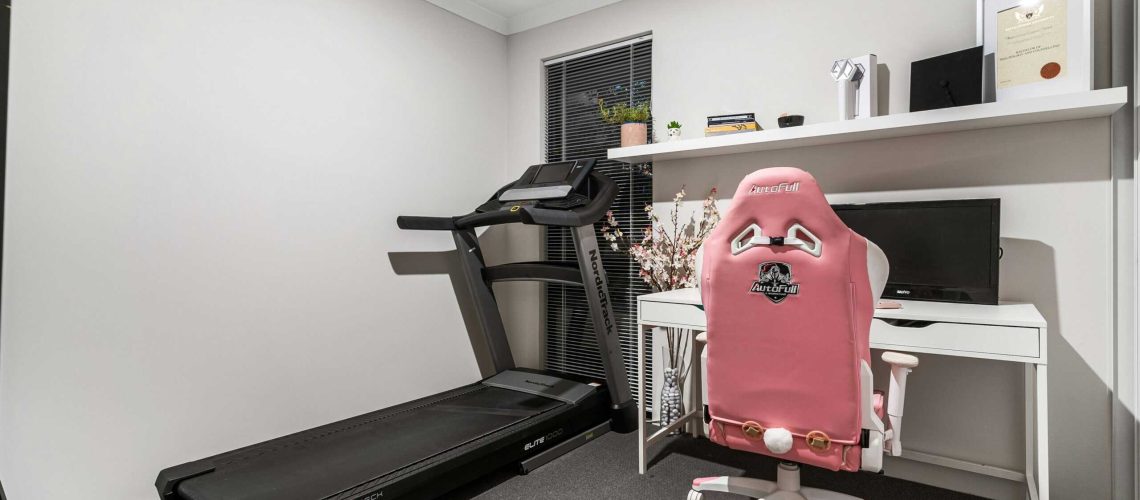

Moving a treadmill on your own requires more patience than brute strength. Start by clearing a path and measuring doorways so you’re not forced to tilt or twist the machine at the last second. Unplug the treadmill, review the manual, and remove any components designed to come apart. Store screws and bolts in a labeled bag so nothing gets lost. When lifting, keep your back straight, feet planted, and move slowly while using straps to keep the frame stable.
Using sliders or a dolly can make the process much easier, especially on hard flooring. Take breaks when needed and cover the treadmill to protect it from scratches during transport. If the weight or size feels overwhelming, trusted Edmonton movers can handle the job safely, reducing the risk of injury or damage to your equipment or home.
Assessing the Environment
Before attempting to move the treadmill, make sure to scan the area. Clear the path of any tripping hazards like cords, rugs, or clutter. Narrow doorways or sharp corners can slow you down, so check for those as well. Measure the area to confirm the treadmill will fit comfortably through any passageways.
It’s also essential to ensure the floor is level to avoid any accidents while moving. Pets or children might get in the way, so it’s best to keep the area clear of distractions. Creating a clear, spacious route is a crucial first step to a successful move.
Disassembling the Treadmill
Next, let’s focus on making the treadmill easier to move by disassembling it. Unplug the treadmill first, then remove any accessories or loose items. If you have the user manual, follow its steps for disassembling the machine, which typically includes removing the console, handrails, and support frame.
Store screws and bolts in labeled bags so you won’t lose any parts during the process. For heavier components, it’s wise to ask for help. Lifting with your legs, not your back, is crucial here. A careful disassembly makes the treadmill more manageable and lighter for transport.
Securing Moving Equipment
When moving a large piece of equipment like a treadmill, securing the right moving tools is key. Use strong, reliable straps or ropes to secure the treadmill, preventing any accidents or damage during the move. If you’re navigating stairs or uneven floors, a dolly or furniture sliders will make the process much smoother. It’s important to remove or tuck away any cords or parts that might get in the way as you move. By using these tools correctly, you’ll avoid strain on your body and keep the treadmill secure.
Lifting and Maneuvering Safely
Lifting a treadmill requires attention to your posture. Bend your knees and keep your back straight while gripping the machine. Engage your core to support your spine, and avoid twisting. When changing directions, pivot with your feet instead of twisting your torso. Take small steps and move carefully. If it feels heavy, don’t hesitate to use a dolly or sliders to help. Listen to your body and take breaks if you start to feel fatigued. Lifting and maneuvering the treadmill doesn’t have to be difficult if you follow these safety precautions.
Transporting to New Location
Transporting the treadmill safely means securing any moving parts, like the console or incline mechanism. Make sure everything is fastened to prevent any internal damage. Keep your tools nearby: having screwdrivers or wrenches handy will make reassembly easier when you reach your new location. Using sliders or a dolly can ease the physical strain of moving the treadmill. Cover it with a protective sheet or blanket to avoid scratches or dents during the move. Protecting both the treadmill and yourself is key when relocating it.
Reassembling and Testing
Once you’ve moved the treadmill to its new location, it’s time to reassemble and test it. Begin by checking that all screws, bolts, and connections are securely fastened. Make sure the console is in place and the power cord is properly connected. Do a visual inspection to ensure nothing was left loose. After reassembling, test the treadmill by slowly increasing the speed to ensure everything works as expected. Check the incline mechanism and the emergency stop feature as well. Finally, walk or run on the treadmill to confirm its stability. If you notice any issues, refer to the manual or reach out to a professional for help. A thorough reassembly and test will ensure your treadmill’s functionality and safety.
Contact Us
Ready to make your move? We’re here to help every step of the way.
Visit Us: 4924 93 AVENUE NW Edmonton, AB T6E 3N9
Email: [email protected]
Call Us: (780) 670-8844
Contact us today for your fast, free, no-obligation quote. We are ready to assist you, 24/7.
Related Topics: