
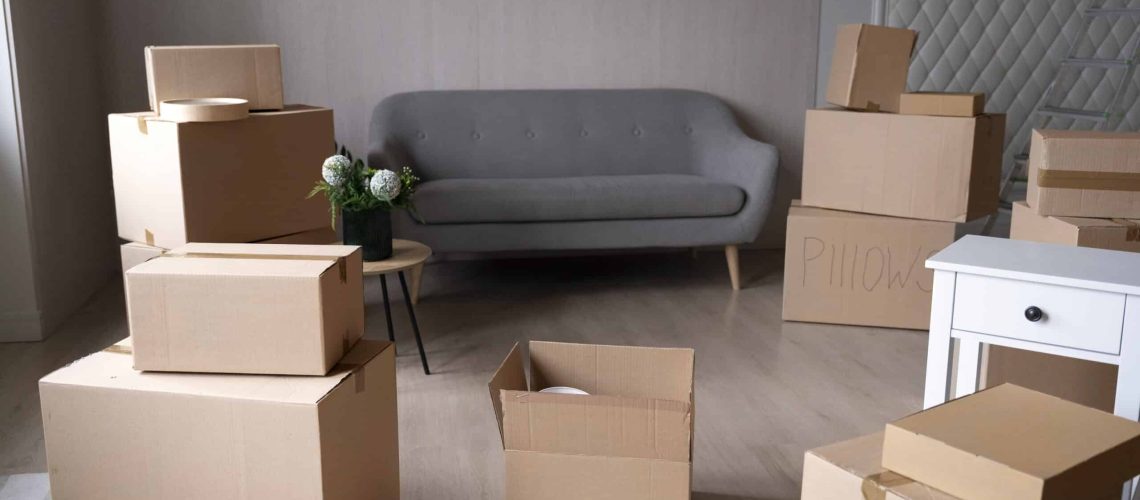

Most people expect movers to arrive with a truck and plenty of muscle, but many also supply the packing materials needed for the job. That can be a major relief if you don’t have time to track down boxes on your own. Many Edmonton movers keep sturdy boxes, packing paper, and tape on hand and can recommend the right materials based on what you’re packing. This article breaks down what supplies are typically available, what affects how many boxes you can receive, what questions to ask ahead of time, and what to do if you prefer sourcing your own. It also covers a few packing basics to help you choose boxes that won’t give out mid-move.
Types of Packing Supplies Offered
Most movers carry a mix of small, medium, and large boxes because every home has a different mix of items. Heavy things like books or tools usually go in smaller boxes, while linens and lighter belongings fit better in the bigger ones. Fragile pieces need wrapping or paper so they don’t rattle around, and tape keeps everything sealed once it’s packed. Some teams bring labels so you can sort things out once you’re in your new place. It’s not fancy, just practical.
Factors That Influence Box Provision
How many boxes you end up with depends on how much you’re moving and how fragile your belongings are. Larger homes naturally need more, and delicate items often require sturdier boxes. Longer drives can also put more pressure on boxes, so movers may bring stronger ones for those trips. Some companies include boxes in their regular service, while others price them separately depending on how many you need.
Tips for Requesting Packing Boxes
The movers can only guess what to bring unless you tell them what you’re dealing with. Let them know if you have a lot of kitchen items, electronics, or breakable pieces so they can match the supplies to the job. Specialty boxes for dishes or clothing are usually requested in advance so they don’t run out on moving day. The more they know, the smoother the packing goes.
Alternatives to Movers’ Box Services
If you prefer to gather your own boxes, local shops often have leftover boxes from shipments. Grocery stores and liquor stores usually give them away. Suitcases, bins, and baskets you already own can also help with packing. Some people check neighborhood groups or online listings for boxes others’re finished with. These options work well if you’re trying to keep expenses down.
How to Prepare for Packing
A quick walk around your home helps you figure out what you’ll need. Grouping items by weight or fragility makes it easier to choose the right box. Keeping tape, markers, and wrap nearby helps you get through each room without stopping. If you have larger furniture, taking it apart ahead of time makes moving day less hectic and reduces surprises.
Ensuring Box Quality and Quantity
Using solid boxes makes a noticeable difference during a move. Take a moment to inspect them for weak spots, worn corners, or leftover tape that could cause issues. Choose box sizes that match the contents to make lifting easier and reduce shifting inside. Fragile items should always be wrapped with extra protection to keep them secure in transit. When you have enough high-quality boxes and proper materials—often recommended by an experienced Edmonton moving company—the entire process feels more organized, and your belongings are far more likely to arrive safely.
Related Topics: