
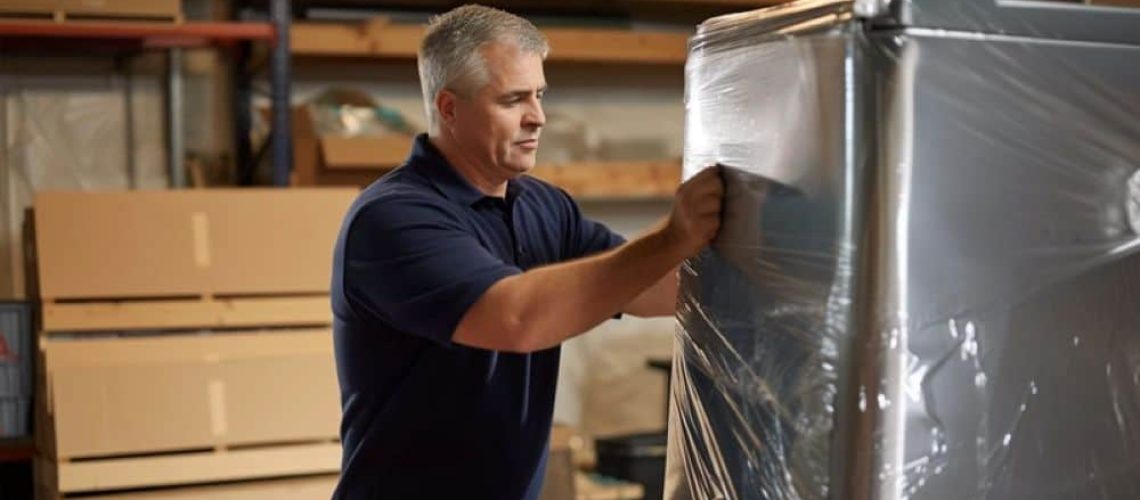

Moving a commercial refrigerator is not a simple lift-and-load job. It takes careful planning, the right tools, and safe handling to avoid injuries, dents, floor damage, or costly appliance problems. Before moving anything, check the refrigerator’s size and weight, measure all entry points, and clear the path from start to finish. Remove loose parts, secure the doors, and use reliable equipment such as appliance dollies, sliders, and moving pads to keep the unit protected and stable. For heavy appliance moves in tight spaces, many people turn to apartment movers Edmonton residents trust for the equipment and experience needed to handle the job properly.
Assess the Refrigerator’s Weight and Dimensions
The first step in moving a commercial refrigerator is accurately determining its weight and size. Check the manufacturer’s manual or the model specifications to confirm how heavy it is and what space it requires for safe transport. For example, a double-door stainless steel commercial refrigerator may weigh several hundred pounds, depending on its cooling system and capacity.
Measure the refrigerator’s height, width, and depth to ensure it fits through hallways, elevators, and loading areas. Taking accurate measurements prevents unnecessary delays and protects the appliance from dents or structural damage. Many experienced movers advise creating a clear route map before the move to confirm there’s adequate clearance throughout the path.
Prepare and Clear the Pathways
Before you begin the relocation, inspect the area and remove any obstacles that might interfere with movement. Clear all debris, furniture, or equipment that may block the refrigerator’s route. Make sure the floor is clean, dry, and non-slippery to prevent accidents.
For added safety, measure the width of doors and hallways once again and ensure they align with the refrigerator’s dimensions. If the route includes sharp turns or tight corners, plan the angle of entry before lifting. Professional movers often highlight this step as essential for avoiding appliance damage and ensuring a smooth, incident-free process.
Secure All Loose Components
Detach or secure every removable part before transporting the refrigerator. Shelves, drawers, and racks can shift during movement and cause internal damage if not properly fastened. Use the manufacturer’s locking mechanisms to hold shelves in place, and remove accessories such as condiment trays or wire baskets for separate packing.
Some customers who’ve recently moved commercial refrigerators recommend labeling each part for easy reassembly once the unit reaches its destination. Taking the time to organize and secure components not only prevents breakage but also saves time when reinstalling the refrigerator in its new location.
Use Proper Lifting and Handling Techniques
When lifting a commercial refrigerator, always bend at the knees, keep your back straight, and lift with your legs. Never attempt to lift the appliance alone, coordinate movements with a partner to distribute the weight evenly. Ensure you both maintain a stable grip and communicate clearly throughout the process.
Avoid twisting your torso or making abrupt movements while carrying the load. If you begin to feel fatigued, pause and rest before continuing. These lifting principles significantly reduce the risk of injury and help maintain better control during transport.
Utilize the Right Moving Equipment
The right equipment makes all the difference in ensuring a safe and efficient move. A heavy-duty appliance dolly with adjustable straps provides stability and helps handle the refrigerator’s weight with minimal effort. Furniture sliders can assist when repositioning the refrigerator across smooth floors, while moving blankets or padded wraps protect its surface from scratches.
Before loading, secure the refrigerator tightly with moving straps or ropes to prevent shifting. Many experienced movers emphasize investing in professional-grade moving tools to protect both the equipment and the workers handling it.
Ensure Safe Transportation
After loading the refrigerator, secure it with heavy-duty moving straps rated for the appliance’s full weight. Keep the unit upright during transport to help protect the internal compressor and cooling components. Wrap the refrigerator with moving blankets or protective padding to reduce vibration, prevent dents, and protect the exterior finish.
Inside the truck, use braces, anchor points, or additional tie-downs to keep the refrigerator from shifting while in transit. Before leaving, inspect every strap and fastener to make sure the appliance is fully stabilized. Once you arrive, check the refrigerator carefully for any signs of movement, damage, or wear before unloading and placing it in its new location.
Transporting a commercial refrigerator is not an easy job, but the process becomes much safer with proper planning, the right equipment, and careful handling. Measuring access points, clearing the path, and securing the appliance correctly all help reduce risk during the move. When the job involves tight spaces, heavy lifting, or valuable equipment, hiring a moving company Edmonton business owners trust can make the process more efficient and far less stressful.
Contact Us
Ready to make your move? We’re here to help every step of the way.
📍 Visit Us: 4924 93 AVENUE NW Edmonton, AB T6E 3N9
📧 Email: [email protected]
📞 Call Us: (780) 670-8844
Contact us today for your fast, free, no-obligation quote. We are ready to assist you, 24/7.
Related Topics: