
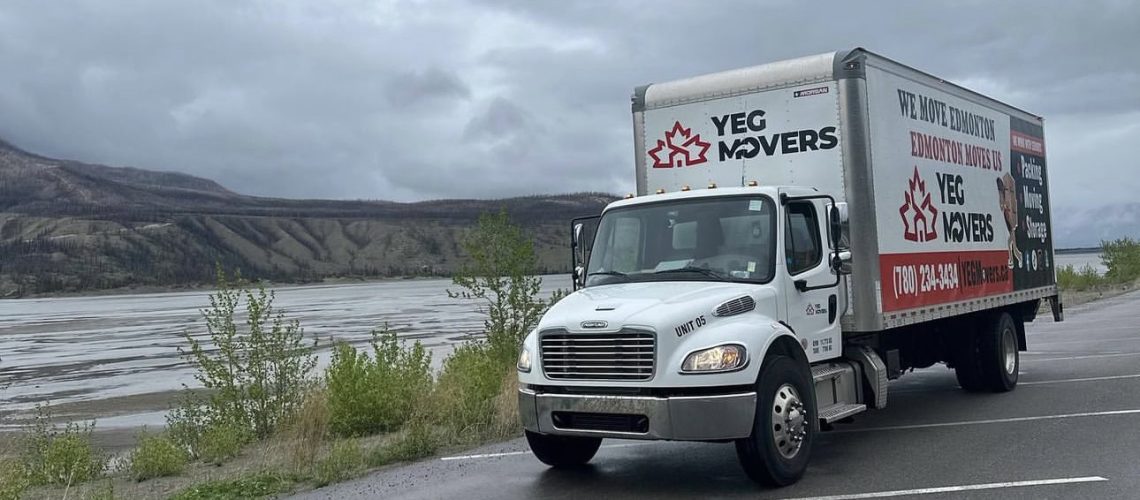

When planning a move across cities or provinces, many people start researching how long distance movers operate and what qualifies as a long-distance relocation. Moving experts in Edmonton and other cities typically classify moves over 400 miles as long-distance. This classification affects your moving costs, planning timeline, and choice of moving services. The distance of your move impacts everything from transportation costs to storage needs. This guide explains the key factors that define long-distance moving and helps you prepare for your upcoming relocation.
Distance Thresholds for Long Distance Moves
Most moving companies consider any move over 400 miles as a long-distance move. However, some companies set their own thresholds, so it’s important to check with your chosen mover. Moves within 400 miles are typically referred to as local moves and offer different pricing and service options. Once you cross the 400-mile mark, you’ll need different planning approaches. A long distance moving company typically coordinates transportation, scheduling, and logistics differently than local moves due to distance and timing considerations. The exact distance affects your moving timeline and determines which regulations apply to your move.
Cost Factors to Consider
Distance is the biggest factor affecting your moving costs. Longer moves incur higher costs due to fuel, driver time, and vehicle wear and tear. The weight and volume of your belongings also impact the final price. Heavier loads require bigger trucks and more workers. Additional services, such as packing, storage, and insurance, increase your total cost. Seasonal timing matters too – summer moves typically cost more than winter ones. Get quotes from multiple companies to compare prices. Make sure quotes include all fees so you can budget accurately for your move.
Logistics and Planning Tips
Start planning your long-distance move at least 8 weeks before your moving date. Create a moving checklist with deadlines for each task to ensure a smooth transition. Sort through your belongings and donate any items you no longer need. Pack each room by labeling boxes clearly with their contents and the corresponding destination room. Research your new area and plan your travel route. Book time off work for moving day and the days following. Arrange for utilities to be connected at your new home. Keep important documents with you during the move. Having a solid plan reduces stress and helps everything go smoothly.
Hiring Professional Movers Vs. DIY
Professional movers handle all aspects of your move from packing to delivery. They have experience, proper equipment, and insurance coverage. This option costs more but saves time and reduces physical strain. DIY moves cost less upfront but require you to handle everything yourself. You’ll need to rent a truck, buy packing supplies, and do all the work. Consider your budget, physical ability, and available time. For moves over 400 miles, professional movers often make more sense due to the complexity and distance involved. These types of moves require more coordination, especially when working with long distance movers who manage scheduling, transport distances, and delivery timelines.
Storage Options for Long Distance Moves
Long-distance moves sometimes require temporary storage for your belongings. Here are your main options:
- Self-Storage Units: You rent space and control access to your stored items
- Portable Storage Containers: Containers delivered to your home for convenient packing
- Climate-Controlled Storage: Protects sensitive items from temperature and humidity changes
- Warehouse Storage: Moving companies store your items in their secure facilities
Choose storage based on how long you need it, what you’re storing, and your budget.
Legal Considerations and Insurance
Interstate moves require movers to have proper licensing from the Federal Motor Carrier Safety Administration. Check that your mover has valid FMCSA registration before hiring them. Moving companies must offer two types of insurance: Full Value Protection and Released Value Protection. Full Value Protection covers the replacement cost of damaged items, but it comes at a higher cost. Released Value Protection is free but only covers 60 cents per pound. Read all contracts carefully and understand what’s covered. Keep receipts and document the condition of valuable items before the move.
Other Related Articles: